
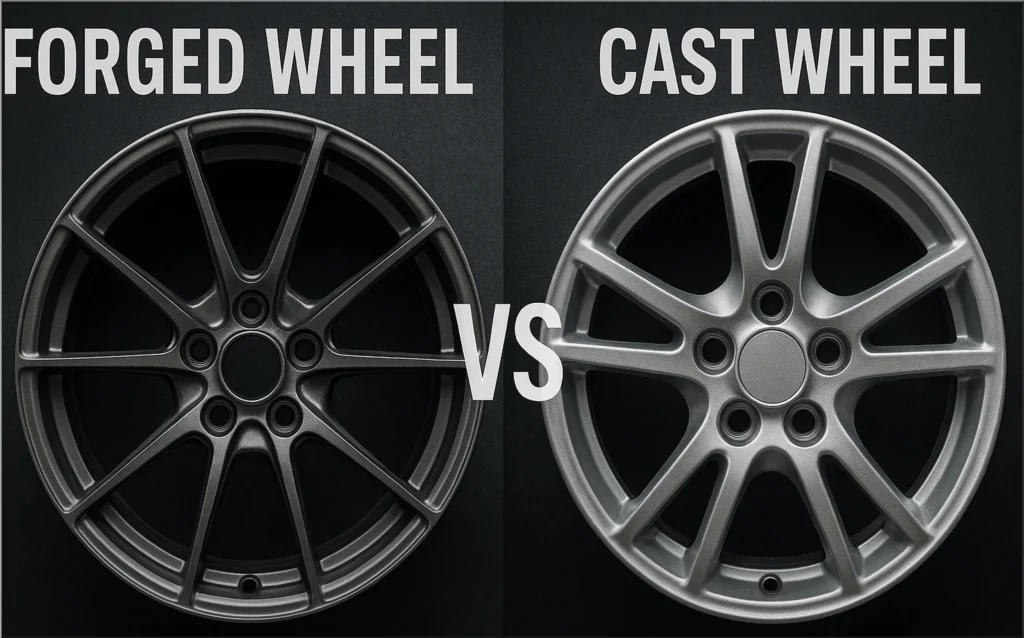
Understanding how forged wheels differ from cast wheels helps drivers make smarter choices when upgrading their vehicles. In the United States, many performance drivers, truck owners, and car enthusiasts compare these two wheel types because wheels affect handling, comfort, safety, and appearance.
After years of studying automotive components, one clear lesson stands out: a wheel is more than a style upgrade. The manufacturing process changes the wheel’s strength, weight, durability, and price. Knowing these differences helps you choose the right option for daily driving, racing, or off-road use.
What Are Forged Wheels?
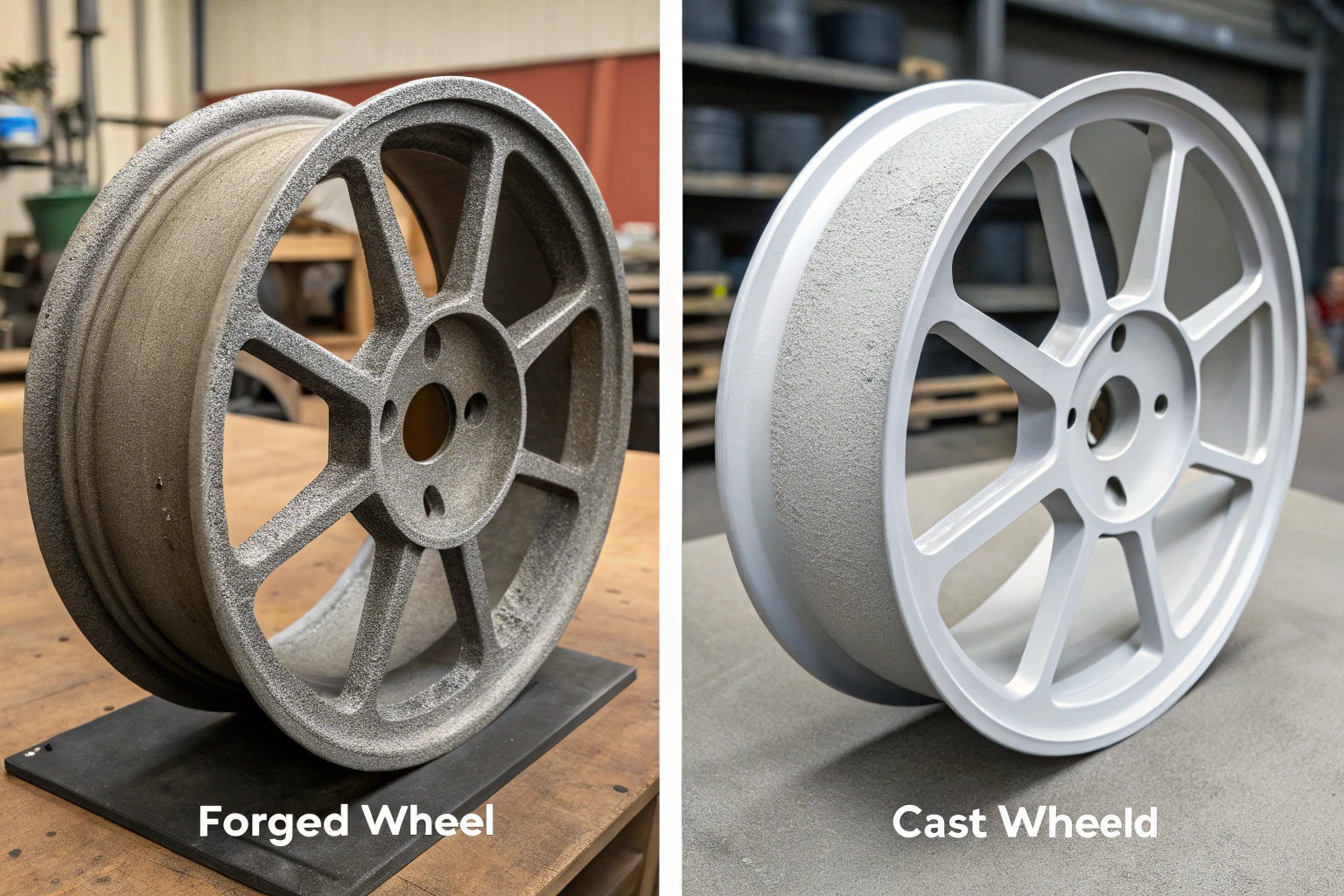
Forged wheels are created from a solid piece of aluminum alloy. Manufacturers apply extreme pressure and heat to shape the metal into the final wheel design. This process changes the internal structure of the aluminum and creates a dense, strong material.
When learning how forged wheels differ from cast wheels, the biggest difference is the manufacturing method. Forging aligns the metal grain structure, which improves strength and resistance to stress.
- ✦ Solid aluminum construction
Forged wheels begin as a solid aluminum block instead of liquid metal, creating a stronger foundation.
- ✦ High pressure shaping
Powerful machines compress the material to improve density and reduce weak points.
- ✦ Performance focused design
Forged wheels are common in racing, luxury vehicles, and high-performance applications.
Why Grain Structure Matters in Forged Wheels
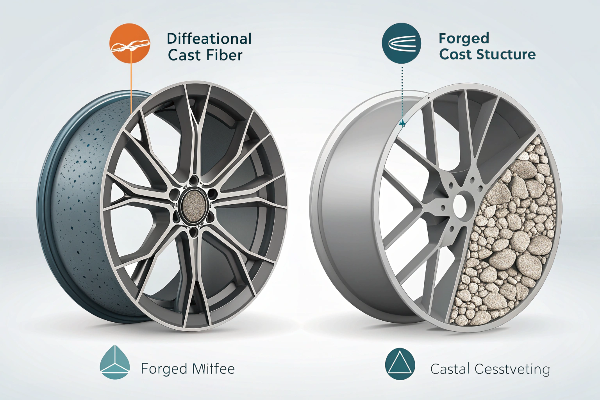
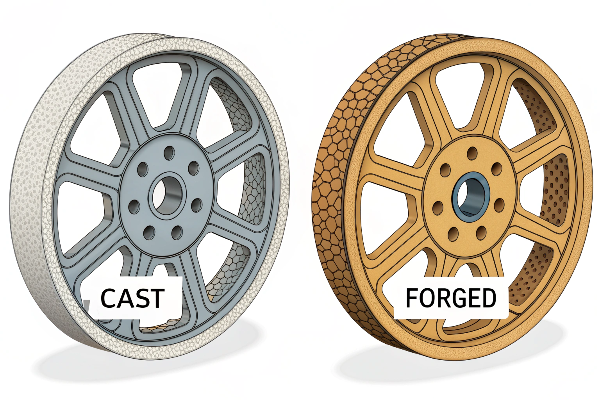
The grain pattern inside metal affects how it handles force. Forged wheels have a tighter grain structure that helps them resist cracks and impacts during demanding driving conditions.
- ✦ Better stress resistance
The aligned grain structure helps forged wheels handle heavy loads and sudden impacts.
What Are Cast Wheels?
Cast wheels are produced by pouring melted aluminum into a mold. Once the metal cools and hardens, the wheel is removed, finished, and prepared for use.
Cast wheels are popular because they offer good performance at a lower price. Many factory vehicles in the United States use cast aluminum wheels because they balance cost, weight, and durability.

- ✦ Lower manufacturing cost
Casting requires less complex equipment and labor compared with forging.
- ✦ Wide design options
The casting process allows manufacturers to create many shapes and styles.
- ✦ Great for daily driving
Most drivers get reliable performance from quality cast wheels.
Common Uses of Cast Wheels
Cast wheels are commonly found on passenger cars, SUVs, and trucks. They work well for normal commuting, highway driving, and everyday vehicle use.
- ✦ Factory vehicle applications
Many original equipment wheels use casting because it keeps production costs practical.
How Forged Wheels Differ From Cast Wheels in Manufacturing
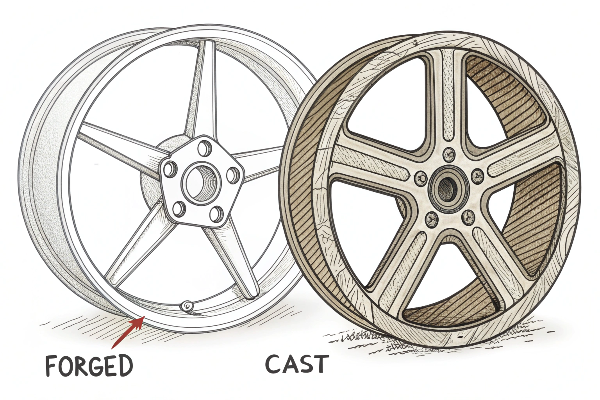
The main answer to how forged wheels differ from cast wheels starts with how they are made. Forging uses pressure to shape solid metal, while casting uses melted metal poured into a mold.
The different processes create different internal structures. Forged wheels usually have fewer weak areas, while cast wheels provide a more affordable production method.
- ✦ Forging process
Solid aluminum is compressed and shaped using heat and pressure.
- ✦ Casting process
Liquid aluminum is poured into a mold and allowed to solidify.
- ✦ Resulting difference
Forged wheels usually offer higher strength, while cast wheels offer better affordability.
Manufacturing Impact on Wheel Quality
Manufacturing affects how a wheel handles stress, weight, and impacts. This is why professional drivers often choose forged wheels for extreme conditions.
- ✦ Material control
Forging provides greater control over the final metal structure.
Strength and Durability Comparison Between Forged and Cast Wheels
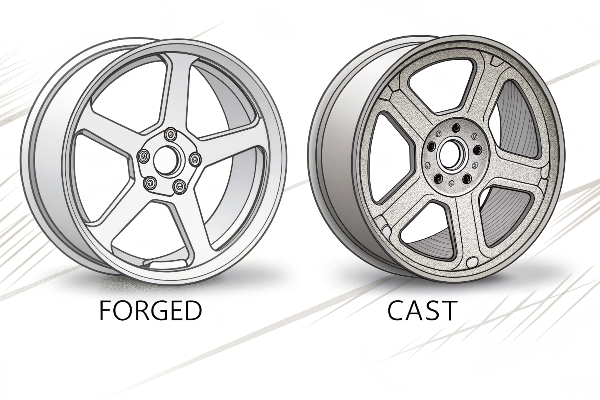
Strength is one of the biggest factors when comparing forged and cast wheels. Forged wheels generally handle higher stress because the aluminum structure is compressed during manufacturing.
Cast wheels can still be very durable when properly designed and maintained. For normal street driving, many cast wheels provide years of dependable service.
- ✦ Impact resistance
Forged wheels usually handle strong impacts better because of their dense structure.
- ✦ Daily durability
Cast wheels perform well for regular commuting and common driving conditions.
- ✦ Maintenance importance
Proper tire pressure and avoiding severe road hazards improve wheel life.
Are Forged Wheels Stronger Than Cast Wheels?
In most cases, forged wheels provide greater strength than cast wheels. However, wheel quality, design, alloy type, and proper usage also affect real-world performance.
- ✦ Strength advantage
Forged wheels are designed for higher performance demands.
Weight Differences and Driving Performance
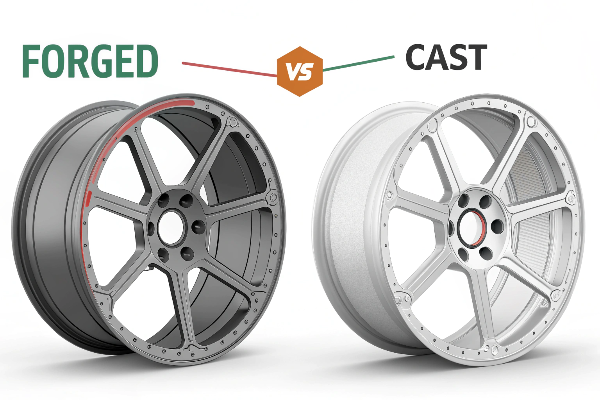
Weight plays an important role in vehicle performance. Lighter wheels can reduce unsprung weight, which may improve steering response, acceleration, and suspension performance.
Forged wheels are often lighter than cast wheels because they can achieve the required strength with less material. This difference is especially noticeable in sports cars and track vehicles.
- ✦ Improved handling
Lower wheel weight can help vehicles respond faster during cornering.
- ✦ Better efficiency
Reducing rotational weight may support improved fuel efficiency in some situations.
Performance Benefits for Enthusiasts
Drivers who enjoy track days or aggressive driving often choose forged wheels because they value lower weight and higher durability.
- ✦ Track performance
Forged wheels are commonly selected for demanding motorsport conditions.
Cost Comparison: Are Forged Wheels Worth the Money?
Price is one of the biggest differences between forged and cast wheels. Forged wheels require advanced equipment, more processing time, and skilled manufacturing, which increases the cost.
Cast wheels are often the better choice for drivers who want a stylish upgrade without a large investment. Forged wheels make more sense for buyers who need maximum performance.
- ✦ Forged wheel pricing
Forged wheels usually cost more because of complex manufacturing and premium materials.
- ✦ Cast wheel pricing
Cast wheels provide a budget-friendly option for many vehicle owners.
Choosing Based on Your Driving Needs
A daily commuter may not notice the benefits of forged wheels. A performance driver may appreciate the added strength and reduced weight.
- ✦ Daily use
Cast wheels are often enough for normal road conditions.



