How HID Headlights Work is based on a simple idea: electricity creates a powerful light source inside a gas-filled bulb. Unlike halogen bulbs that use a heated filament, HID headlights use a controlled electrical discharge between two electrodes. This process creates a bright beam with less heat loss.
From my experience studying automotive lighting systems, many drivers notice the difference when moving from older halogen headlights to HID technology. The beam usually looks brighter, reaches farther, and provides a more modern driving experience, especially on dark U.S. highways.
HID headlights became popular in luxury and performance vehicles because they offered strong illumination before LED technology became common. Understanding how HID headlights work helps drivers choose upgrades and maintain their lighting systems correctly.
 display: block; margin: 0 auto; border-radius: 12px; box-shadow: 0 8px 25px rgba(0, 0, 0, 0.12);”>
What Are HID Headlights?
HID stands for High-Intensity Discharge. These headlights create light through an electrical arc instead of a traditional glowing wire filament. The arc happens inside a small quartz or ceramic tube filled with xenon gas and metal salts.
When you turn on HID headlights, the system sends a high-voltage pulse into the bulb. This starts the gas reaction and creates a bright plasma arc between two electrodes. The result is a strong beam of light that can illuminate the road ahead.
- ✦ Gas-based lighting system
HID bulbs use xenon gas and other materials to create light through an electrical discharge.
- ✦ No traditional filament
Unlike halogen bulbs, HID bulbs do not depend on a wire filament that glows when heated.
- ✦ High electrical control
A ballast manages power flow to keep the HID arc stable.
Why HID Headlights Are Called Xenon Headlights
Many people use the terms HID and xenon headlights together because xenon gas plays a key role in the lighting process. Xenon helps the bulb start quickly and produces a bright white color.
However, xenon is only one part of the HID system. The complete system includes electronic controls and optical parts that shape the final beam.
How HID Headlights Work Step by Step
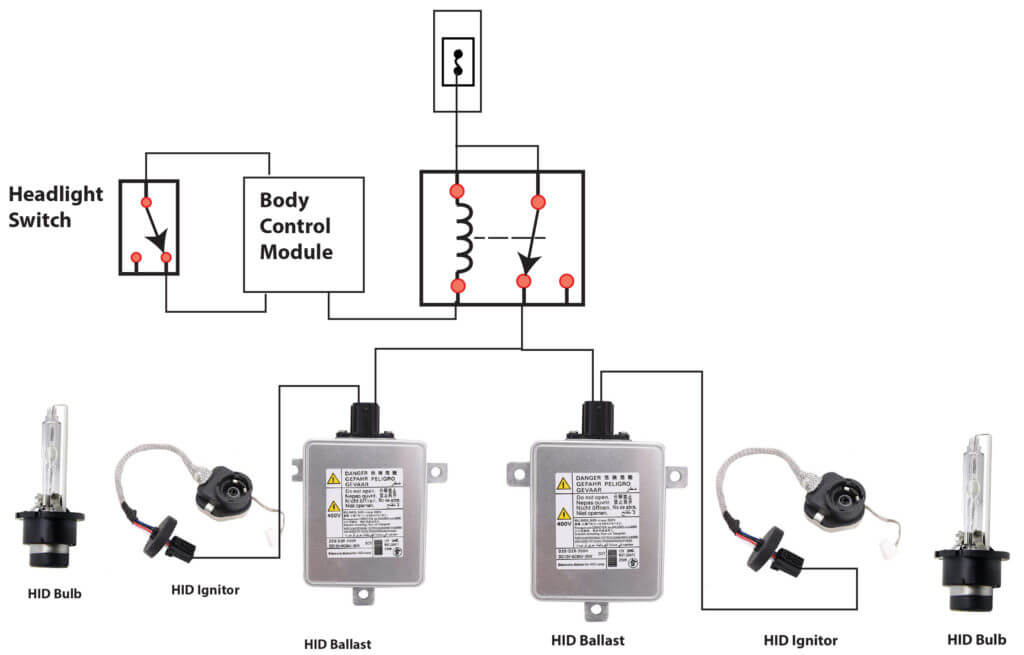
Understanding how HID headlights work requires looking at the complete electrical process. The system starts when the driver activates the headlight switch and sends power to the HID control unit.
The ballast increases the voltage needed to create the initial arc. After the bulb starts glowing, the ballast reduces and controls the power level to maintain steady light output.
- ✦ Step 1: Power activation
The vehicle sends electrical power to the HID ballast and ignition system.
- ✦ Step 2: Arc creation
A high-voltage charge jumps between electrodes and creates a bright electrical arc.
- ✦ Step 3: Light stabilization
The ballast controls current so the bulb keeps producing consistent light.
The Role of the Ballast
The ballast is one of the most important parts of an HID headlight system. It controls the electrical energy that reaches the bulb and protects the system from unstable power changes.
Without the ballast, the HID bulb would not start correctly and could fail quickly. It works like a smart power manager for the headlight.
Main Components of an HID Headlight System
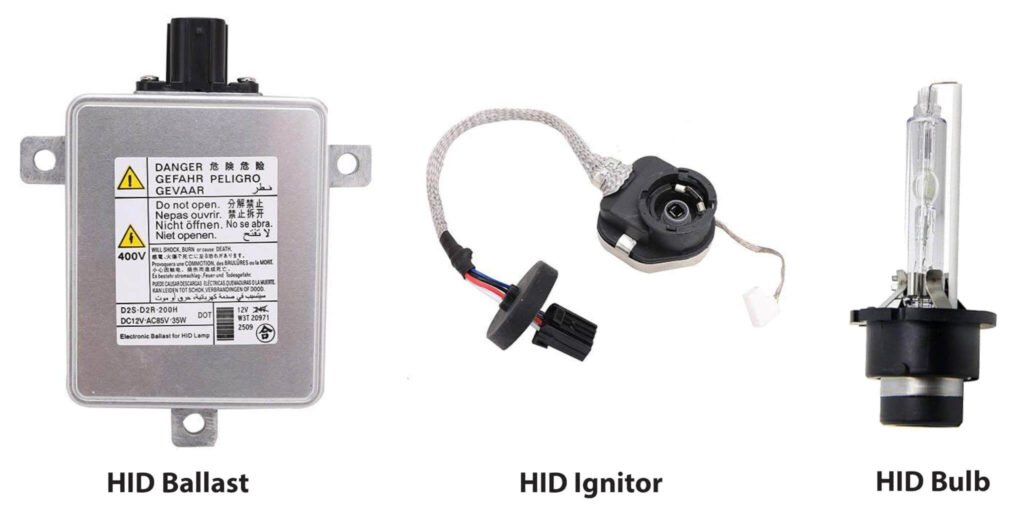
A HID headlight is more than just a bulb. Several parts work together to create and control the light beam. Each component has a specific job in the lighting process.
Modern vehicles may combine HID technology with projector lenses, automatic leveling systems, and adaptive lighting controls for better road visibility.

- ✦ HID bulb
The bulb contains xenon gas and electrodes where the electrical arc creates light.
- ✦ Ballast
The ballast controls voltage and keeps the light stable.
- ✦ Igniter
The igniter creates the high-voltage spark needed to start the bulb.
- ✦ Projector or reflector housing
The housing directs and shapes the beam pattern on the road.
HID Headlights vs Halogen and LED Headlights
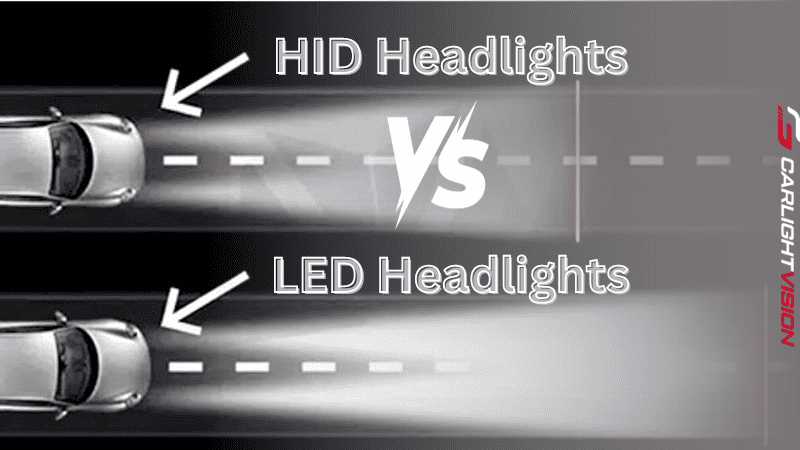
HID headlights were a major improvement over halogen lighting because they produced more light with a different technology. Halogen bulbs rely on a heated filament, while HID systems use an electrical arc.
LED headlights have become more common in newer vehicles because they offer instant startup, low energy use, and flexible designs. However, HID headlights still provide strong performance in many vehicles.

- ✦ HID compared with halogen
HID lights usually provide stronger illumination and a longer beam distance than standard halogen bulbs.
- ✦ HID compared with LED
LED systems are newer and more efficient, but HID technology remains popular for replacement and factory applications.
Advantages of HID Headlights
HID headlights became popular because they solved many problems found in older lighting systems. They provide strong brightness and can improve visibility during nighttime driving.
For American drivers who spend time on rural roads, highways, or areas with limited street lighting, HID technology can provide a noticeable improvement when properly installed.
- ✦ Brighter output
HID bulbs produce intense light that can cover more road area than many traditional bulbs.
- ✦ Longer lifespan
HID bulbs often last longer than halogen bulbs because they do not use a fragile filament.
- ✦ Better road visibility
A well-designed HID system can improve visibility of road signs, markings, and obstacles.
Common HID Headlight Problems and Maintenance Tips
Although HID headlights are reliable, they can develop problems over time. Common issues include flickering, delayed startup, dim output, or complete failure.
Many HID problems come from worn bulbs, damaged ballasts, or electrical connection issues. Regular inspection can help prevent sudden lighting failures.

- ✦ Flickering lights
Flickering may indicate ballast problems, weak electrical connections, or bulb failure.
- ✦ Slow startup
HID bulbs need time to warm up, but unusual delays may signal a system issue.
- ✦ Incorrect installation
Poorly installed HID kits can create glare and unsafe beam patterns.
How Long Do HID Headlights Last?
HID bulbs generally last longer than many halogen bulbs, but their lifespan depends on usage, quality, and vehicle conditions. Frequent turning on and off can affect bulb life.
Replacing HID components with quality parts and keeping the headlight housing clean can help maintain performance.