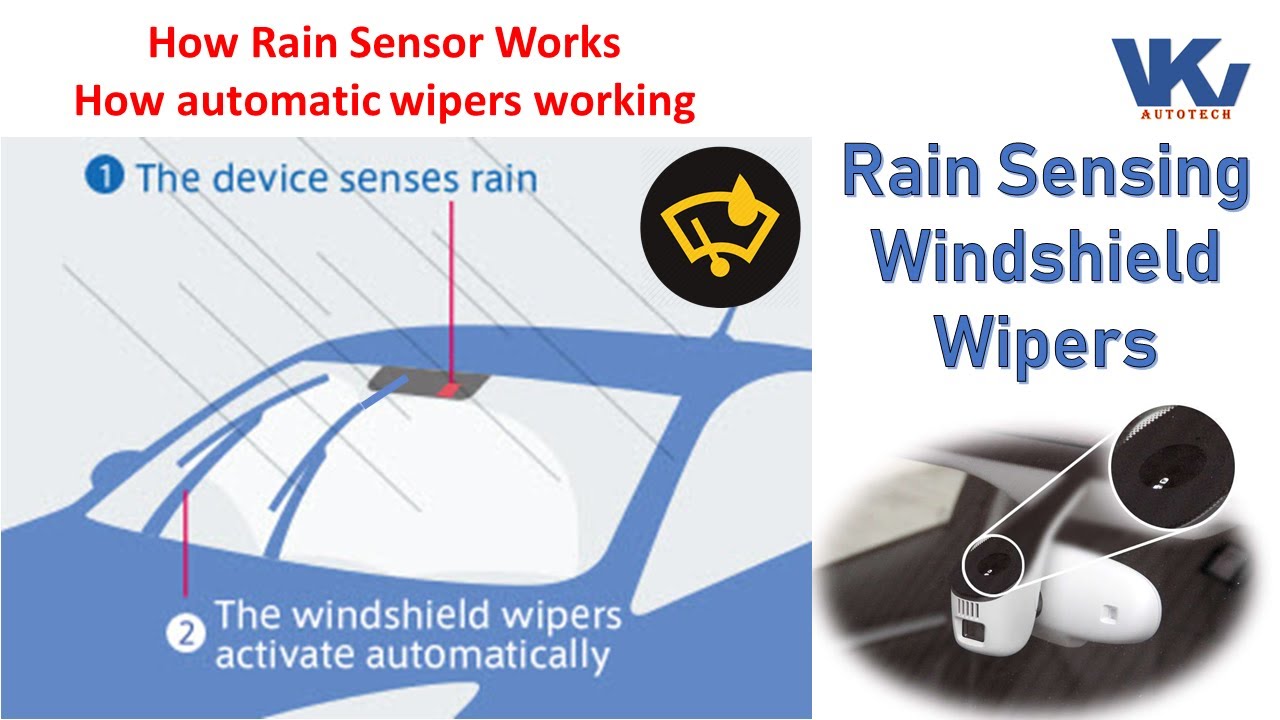
How Rain Sensing Wipers Work is a common question among drivers who use modern vehicles. These systems remove the need to manually change wiper settings during changing weather. A small sensor near the rearview mirror watches the windshield surface and reacts when water appears.
From my experience studying automotive technology, the biggest advantage of rain sensing wipers is convenience. During a sudden storm on a U.S. highway or a light drizzle during city driving, the system helps drivers keep their attention on the road.

What Are Rain Sensing Wipers?
Rain sensing wipers are automatic windshield wiper systems found in many modern cars. They use a sensor to measure moisture on the windshield and control the wiper motor without constant driver input.
Unlike traditional wipers, these systems do not rely only on fixed speed settings. They respond to real conditions and can wipe faster during heavy rain or slower during light rain.
- ✦ Automatic operation
The system turns wiper movement into an automatic process when rain is detected.
- ✦ Variable speed control
The vehicle changes wipe frequency based on the amount of water on the glass.
How Rain Sensing Wipers Work Using Optical Sensors
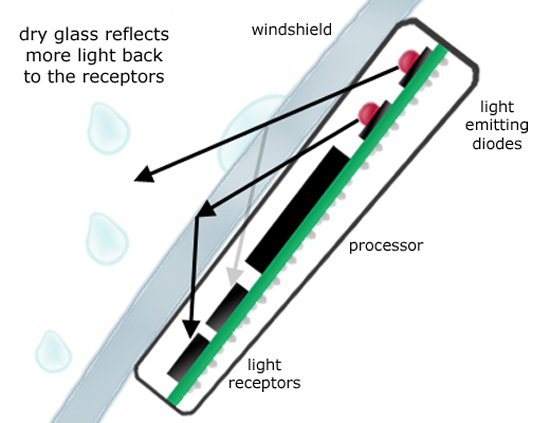
The key part of understanding How Rain Sensing Wipers Work is learning about the optical rain sensor. Most systems use infrared light placed behind the windshield near the mirror.
The sensor sends light into the glass. When the windshield is dry, most light reflects back to the sensor. When water drops appear, the light pattern changes, and the computer detects moisture.
- ✦ Infrared light detection
The sensor measures changes in reflected light caused by water drops.
- ✦ Electronic control unit
The vehicle computer processes sensor information and controls the wiper motor.
The Sensor Location
Most rain sensors sit behind the rearview mirror area. This position gives the sensor a clear view of the windshield while keeping it protected inside the vehicle.
- ✦ Protected placement
The sensor stays away from outside damage while monitoring the glass.
The Step-by-Step Process Behind Automatic Wiper Control
How Rain Sensing Wipers Work involves several steps that happen within seconds. The sensor first detects moisture, then sends information to the vehicle control system.
The computer decides how often the blades should move. This process allows the driver to maintain visibility without manually adjusting the wiper switch.

- ✦ Step 1: Rain detection
The sensor identifies water drops or moisture on the windshield.
- ✦ Step 2: Signal processing
The control module analyzes the moisture level.
- ✦ Step 3: Wiper adjustment
The wiper motor receives commands for the correct speed.
Benefits of Rain Sensing Wipers in Modern Vehicles
Rain sensing wipers improve comfort and safety by reducing driver workload. They are especially useful when weather changes quickly.
Many drivers appreciate that the system reacts faster than manual adjustments. This can help maintain a clearer view during unexpected rainfall.

- ✦ Improved focus
Drivers can focus more on traffic instead of changing wiper settings.
- ✦ Better visibility
Automatic adjustments help keep water from blocking the windshield view.
- ✦ Convenience
The system removes repeated manual control during rain.
Limitations and Common Problems With Rain Sensors
Although How Rain Sensing Wipers Work is based on smart technology, the system is not perfect. Dirt, cracks, stickers, or poor windshield installation can affect sensor performance.
Some drivers notice delayed responses during very light mist or when water spreads unevenly across the glass. Regular windshield care helps reduce these issues.

- ✦ Dirty sensor area
Dust or film near the sensor can reduce accuracy.
- ✦ Windshield replacement issues
Incorrect sensor installation can cause system errors.
How To Maintain Rain Sensing Wipers
Keep the windshield clean and replace worn wiper blades. A clean surface allows the sensor to measure rain more accurately.
- ✦ Clean glass
Remove dirt and oil buildup from the windshield.
Rain Sensing Wipers Compared With Traditional Wipers
Traditional wipers require the driver to choose speed settings manually. Rain sensing systems use sensors and computers to make adjustments automatically.
The main difference is response. A traditional system follows a fixed setting, while automatic rain sensing wipers react to actual windshield conditions.
- ✦ Traditional wipers
Drivers manually select speed and timing.
- ✦ Rain sensing wipers
The vehicle automatically detects rain and changes operation.