How Sequential Turn Signals Work is easier to understand when you look at them as a small lighting system instead of a simple blinking bulb. A normal turn signal turns one light on and off. A sequential system divides that light into several sections and activates each section at a set time.
From classic American cars to modern LED-equipped vehicles, sequential signals have become a popular upgrade. Many drivers in the United States choose them because they add a clear visual movement while giving the vehicle a modern appearance. The key is the electronic controller that manages the timing of every light segment.

What Are Sequential Turn Signals?
Sequential turn signals are vehicle indicators that illuminate in a specific order rather than flashing all lights at the same time. The lights usually move toward the direction of the intended turn, creating a flowing pattern.
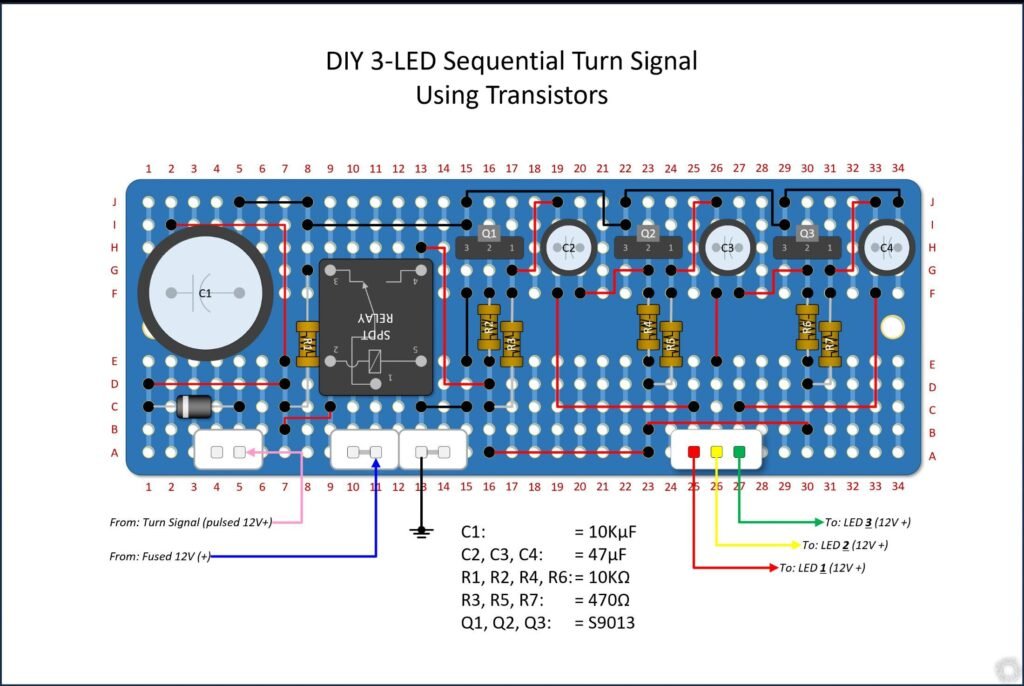
The basic idea behind How Sequential Turn Signals Work is simple. A signal controller receives power from the vehicle turn signal circuit and sends electricity to each LED section with a short delay between each activation.
- ✦ Traditional turn signals
A standard signal uses one bulb or one LED group that flashes on and off together.
- ✦ Sequential turn signals
Multiple light sections activate in sequence to create a sweeping motion.
- ✦ Modern LED systems
LED technology allows smaller, faster, and more reliable lighting segments.
Why Drivers Choose Sequential Signals
Many owners install sequential signals for appearance, but they can also make the direction of a turn easier to notice. The moving light pattern naturally draws attention toward the side of the vehicle.
- ✦ Visual upgrade
They give cars a premium appearance similar to many luxury and performance vehicles.
The Basic Process Behind How Sequential Turn Signals Work
When a driver activates a turn signal, the vehicle sends a voltage signal to the lighting circuit. In a sequential system, that power first reaches a control module instead of directly powering all lights at once.
The controller then switches each LED section on in order. For example, the inner LED may turn on first, followed by the middle LED, and finally the outer LED. The cycle repeats until the driver cancels the turn signal.

- ✦ Step 1: Signal activation
The driver moves the turn signal lever, sending an electrical command.
- ✦ Step 2: Controller timing
A circuit board controls the delay between each light segment.
- ✦ Step 3: LED movement
Individual LEDs illuminate in sequence to create the flowing effect.
The Role of the Control Module
The control module acts like the brain of the system. It decides when each light turns on and how long each segment stays active. Without this controller, all lights would simply flash together.
- ✦ Timing control
The module creates precise delays between LED sections.
How LED Technology Makes Sequential Signals Possible
Most modern sequential turn signals use LEDs because they respond quickly and require less energy than older bulbs. LEDs can also be arranged into many small sections inside a compact housing.
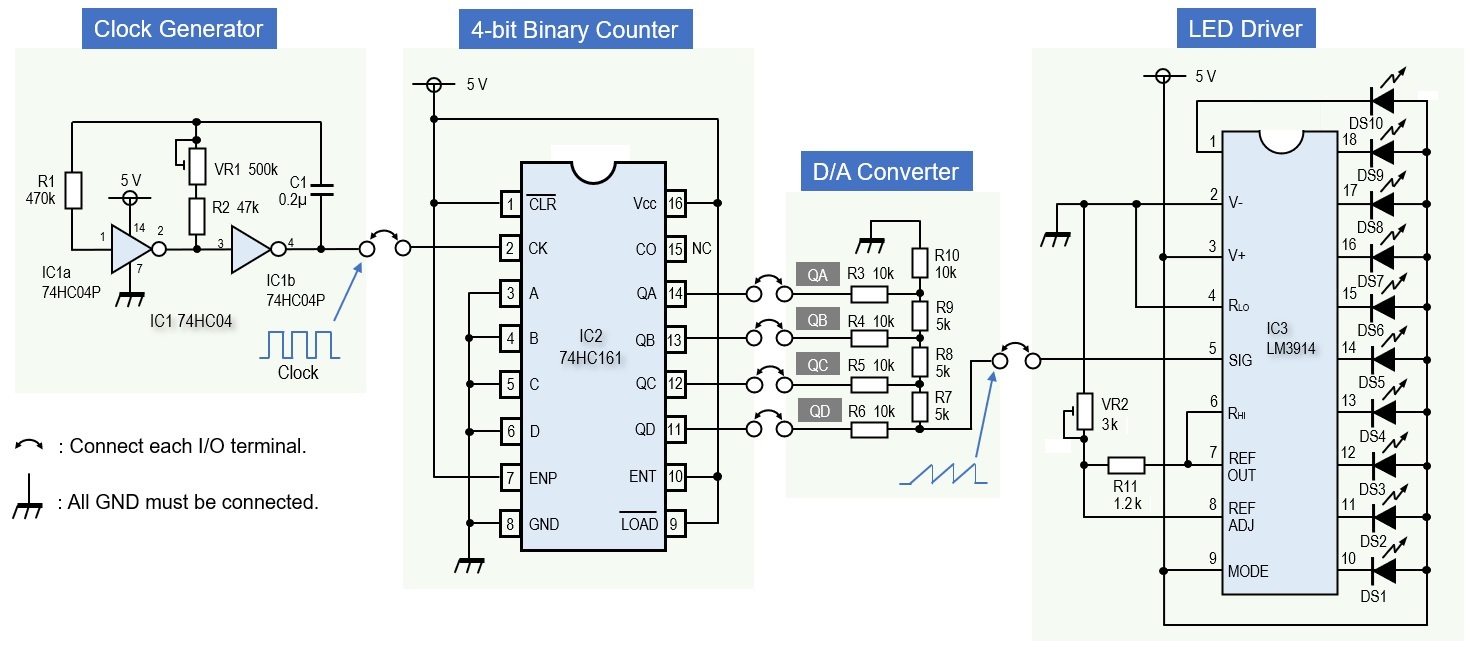
LED systems make How Sequential Turn Signals Work more flexible because manufacturers can program different patterns, brightness levels, and activation speeds.
- ✦ Fast response
LEDs reach full brightness almost instantly, allowing smooth light movement.
- ✦ Lower power use
LEDs typically need less electrical power than traditional incandescent bulbs.
- ✦ Long service life
Quality LED modules can last much longer than older lighting technology.
LED Strips and Light Boards
Manufacturers often use flexible LED strips or rigid circuit boards. Each section contains several LEDs that the controller activates separately to create the sequence.
- ✦ Flexible designs
LED strips allow manufacturers to create unique shapes and patterns.
The History of Sequential Turn Signals
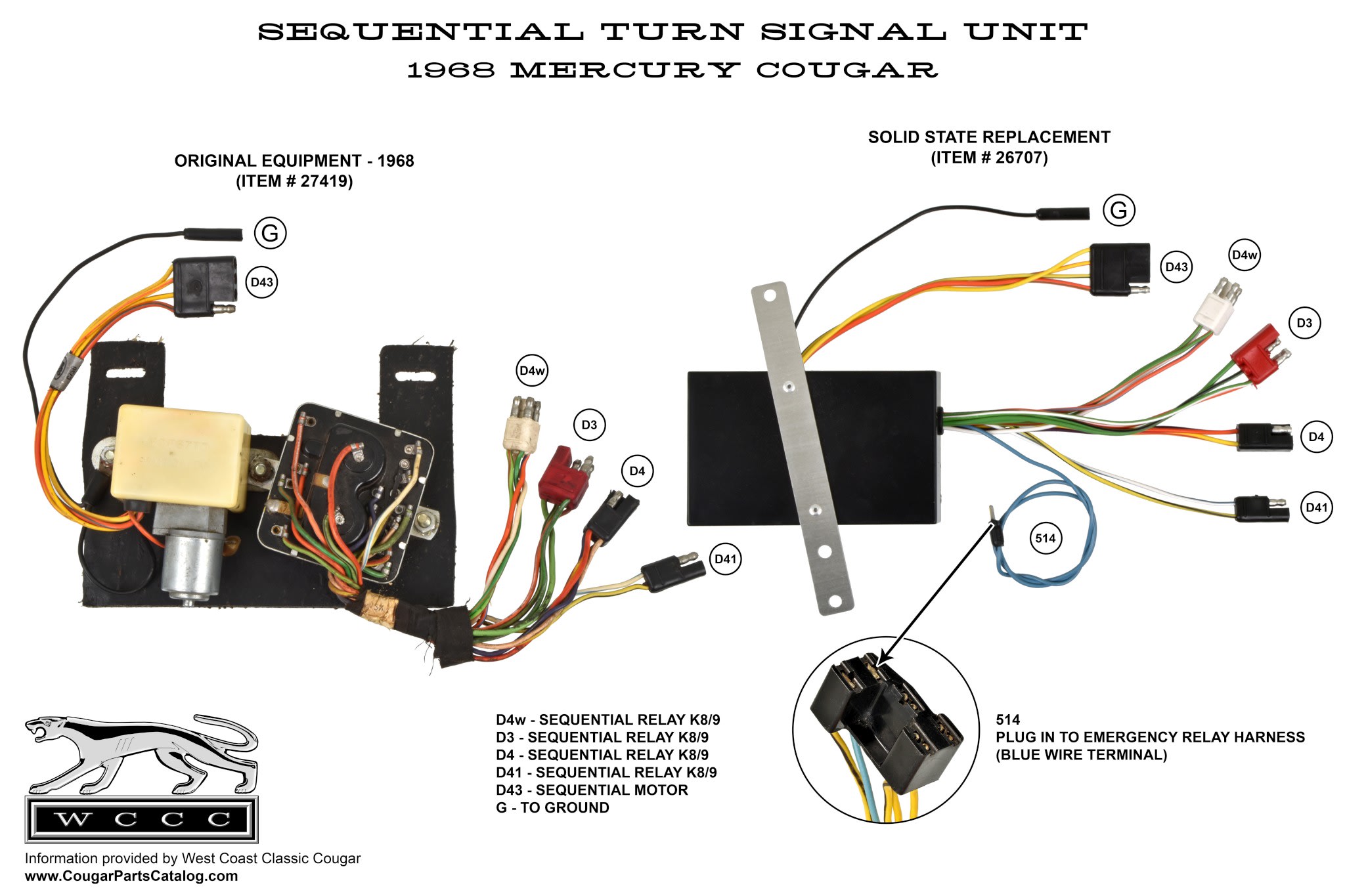
Sequential turn signals are not a new invention. Some of the earliest popular examples appeared on American vehicles during the 1960s, especially on models that used mechanical switches and rotating systems.
Modern versions use electronic controllers instead of mechanical parts. This change made systems smaller, more dependable, and easier to install on many vehicles.
- ✦ Early systems
Older designs used mechanical relays and switches to control light timing.
- ✦ Modern systems
Digital controllers now manage LED timing with greater accuracy.
From Classic Cars to Modern Vehicles
Today, sequential signals appear on sports cars, luxury vehicles, motorcycles, and aftermarket lighting kits. Their popularity continues because they combine technology with visual design.
- ✦ Wide adoption
Many vehicle brands now use similar lighting ideas in factory designs.
How Sequential Turn Signals Are Installed
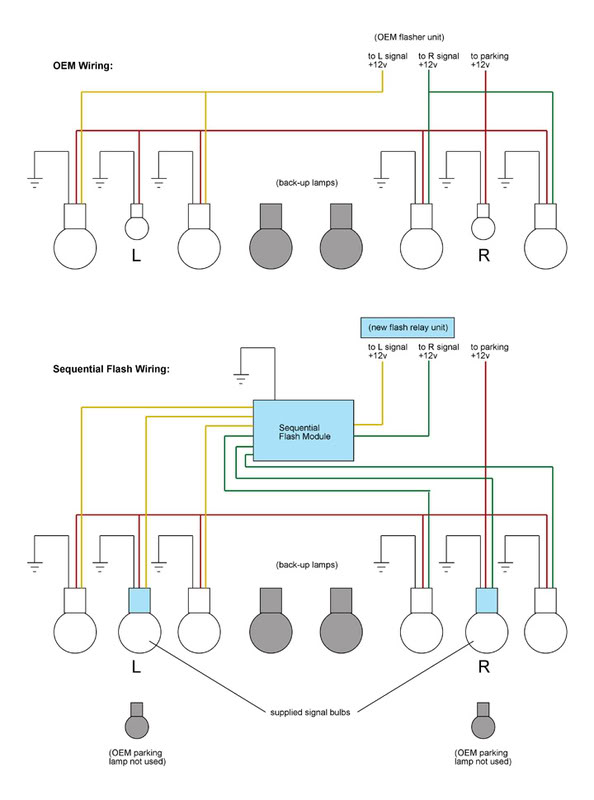
Installing sequential turn signals depends on the vehicle design and the type of kit. Some products replace the entire tail light assembly, while others add a controller between the factory wiring and existing lights.
A proper installation requires correct wiring, secure connections, and testing. Poor installation can cause flashing problems, warning lights, or electrical issues.
- ✦ Plug-and-play kits
These kits are designed for easier installation with vehicle-specific connectors.
- ✦ Custom wiring systems
These require more electrical knowledge and careful circuit work.
- ✦ Professional installation
A technician can ensure the system works correctly and meets regulations.
Common Installation Mistakes
Common mistakes include reversing wire connections, using poor-quality controllers, and ignoring vehicle compatibility. Testing every function before final assembly helps avoid future problems.
- ✦ Check compatibility
Confirm the kit matches your vehicle voltage and lighting system.
Benefits and Limitations of Sequential Turn Signals
Sequential signals offer several advantages, but they are not perfect for every vehicle. Understanding both sides helps drivers decide if the upgrade is suitable.
The biggest benefit is improved visual communication. The moving light pattern can quickly show the direction of a turn, especially when viewed from behind.

- ✦ Benefits
They provide modern styling, LED efficiency, and an attention-grabbing signal pattern.
- ✦ Possible issues
Some aftermarket systems may create compatibility problems with vehicle electronics.
- ✦ Legal considerations
Drivers should check local lighting rules before installing aftermarket modifications.
Are Sequential Turn Signals Safer?
A sequential pattern may help other drivers notice a turning vehicle, but safety depends on many factors including brightness, placement, and proper operation. A well-installed system should still meet required lighting standards.
- ✦ Visibility matters
Clean lenses and bright lights improve overall signal performance.