Most vehicles on American roads use tubeless tires because they provide better safety, comfort, and reliability than older tube-type designs. When drivers fill a tire with air at a gas station or repair shop, that air stays inside because several tire parts work together as one sealed system.
Understanding How Tubeless Car Tires Hold Air helps car owners know why tire pressure changes, how leaks happen, and why regular tire care matters. In my experience reviewing tire systems, many drivers are surprised to learn that the tire itself does not need an inner tube to store air. The tire structure creates its own pressure chamber.
A tubeless tire depends on precise engineering. The rubber inner liner blocks air loss, the bead locks tightly against the wheel, and the valve stem controls inflation. Together, these parts allow modern cars to travel thousands of miles while maintaining stable air pressure.

How a Tubeless Tire Creates an Airtight Chamber
A tubeless tire works by using the inside surface of the tire as the air container. Unlike older tires with separate rubber tubes, the tire itself forms a sealed space when mounted correctly on the wheel.
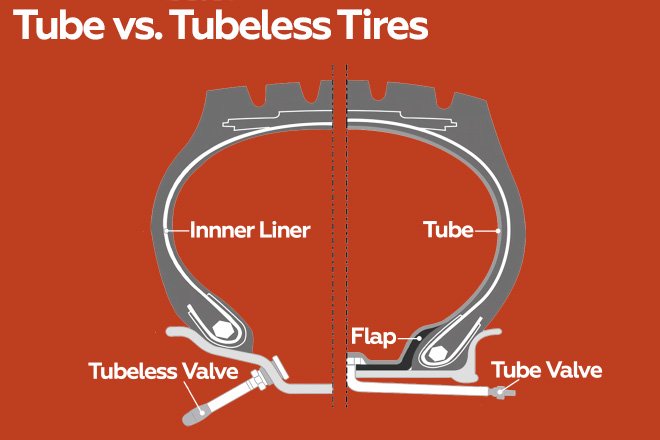
The inside of the tire has a special airtight rubber layer called the inner liner. This layer is designed to slow air movement through the rubber and keep the tire inflated for normal driving.

- ✦ Inner liner
The inner liner acts as a built-in replacement for a traditional inner tube by holding compressed air inside the tire.
- ✦ Sealed tire cavity
The area between the tire and wheel becomes a pressurized chamber that supports vehicle weight.
- ✦ Air pressure balance
The correct air pressure keeps the tire shape stable and allows the tire to perform safely.
Why Tubeless Tires Do Not Need Inner Tubes
Traditional tube tires rely on a separate rubber tube placed inside the tire casing. Tubeless tires remove this extra layer by creating an airtight seal directly between the tire and wheel.
This design reduces friction inside the tire and lowers the chance of sudden tube-related failures. It also allows modern vehicles to handle heat and road conditions more effectively.
The Role of the Tire Bead in Holding Air
The tire bead is one of the most important parts involved in How Tubeless Car Tires Hold Air. It is the strong edge of the tire that sits against the wheel rim.
Inside the bead are strong steel wires covered with rubber. These wires help the tire grip the rim tightly so air cannot escape around the wheel edge.

- ✦ Bead lock
The bead creates a tight mechanical connection between the tire and the wheel.
- ✦ Rubber sealing surface
A smooth rubber area around the bead presses against the rim to prevent leaks.
- ✦ Proper installation
Correct mounting ensures the bead sits evenly and maintains an airtight seal.
How Bead Damage Causes Air Leaks
Corrosion on the wheel, dirt between the bead and rim, or damaged rubber can break the seal. A slow leak often happens when air escapes from this area.
Professional tire shops clean and inspect the bead area before mounting a tire because even small surface problems can affect the seal.
How the Wheel Rim Helps Keep Tubeless Tires Sealed
The wheel rim provides the foundation that allows a tubeless tire to hold air. The tire bead sits on a specially designed area of the rim called the bead seat.
Modern vehicle wheels are built with precise measurements because even small damage or bends can affect the airtight connection. This is why hitting potholes can sometimes lead to slow tire leaks.

- ✦ Bead seat surface
The smooth rim surface allows the tire bead to create a reliable seal.
- ✦ Rim condition
Bent or damaged wheels may allow air to escape slowly.
The Importance of the Valve Stem in Air Retention
The valve stem is the entry point where air enters the tire. It also prevents air from leaving when the tire is not being filled.
A damaged valve core, cracked rubber valve stem, or loose valve cap can cause slow pressure loss. Checking the valve is an important part of tire maintenance.
- ✦ Valve core
The valve core controls airflow and keeps compressed air inside the tire.
- ✦ Valve stem seal
The rubber stem creates a seal where the valve connects to the wheel.
Why Tubeless Car Tires Slowly Lose Air Over Time
Even a healthy tubeless tire can lose a small amount of air over time. Rubber is not completely airtight, so tiny amounts of air can slowly pass through the tire material.
Temperature changes also affect tire pressure. In the United States, drivers may notice pressure changes during seasonal weather shifts because cold air reduces tire pressure and hot air increases it.

- ✦ Temperature changes
Cold weather can reduce tire pressure while heat can increase pressure.
- ✦ Small punctures
Nails, screws, and road debris can create slow leaks.
- ✦ Aging rubber
Older tires may develop cracks that allow air to escape.
Benefits of Tubeless Tires Compared With Tube-Type Tires
Tubeless tires became common because they offer several practical benefits for everyday drivers. They provide improved reliability and reduce some problems linked with traditional inner tubes.
For American drivers who commute, travel long distances, or drive in changing weather, tubeless tire technology offers a balance of durability and convenience.
- ✦ Better puncture behavior
Many small punctures cause slower air loss instead of immediate deflation.
- ✦ Lower heat buildup
Removing tube friction helps reduce internal heat during driving.
- ✦ Simpler maintenance
Drivers do not need to inspect or replace a separate inner tube.
How to Maintain Tubeless Car Tires and Prevent Air Loss
Knowing How Tubeless Car Tires Hold Air also shows why maintenance matters. A tire can only maintain its seal when the tire, wheel, and valve system stay in good condition.
Simple checks can prevent unexpected pressure loss and improve tire life. Drivers should inspect their tires regularly and follow the vehicle manufacturer’s recommended pressure settings.
- ✦ Check tire pressure monthly
Use a reliable gauge to confirm each tire has the correct pressure.
- ✦ Inspect for visible damage
Look for cracks, bulges, punctures, or unusual wear patterns.
- ✦ Service damaged wheels
Repair bent or corroded rims to restore proper sealing.