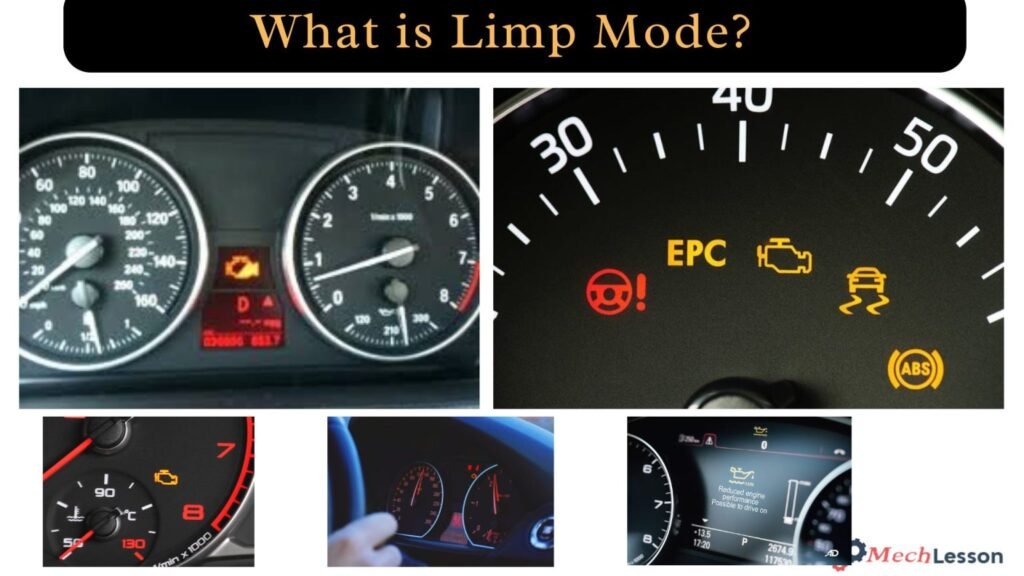
If your car suddenly loses power, struggles to accelerate, or refuses to shift normally, it may have entered limp mode. This safety feature is common in modern vehicles sold across the United States because engines and transmissions rely on many electronic systems to operate correctly.
In my experience working with vehicle diagnostics, many drivers first notice limp mode during daily situations like highway merging, climbing hills, or driving in heavy traffic. The car often still runs, but it feels weak because the computer has reduced power to protect important parts.
Understanding what causes a car to enter limp mode helps you avoid guessing and replacing expensive parts without proof. The right approach is to find the warning signs, scan the vehicle, and repair the root problem.

What Is Limp Mode and Why Does a Car Use It?
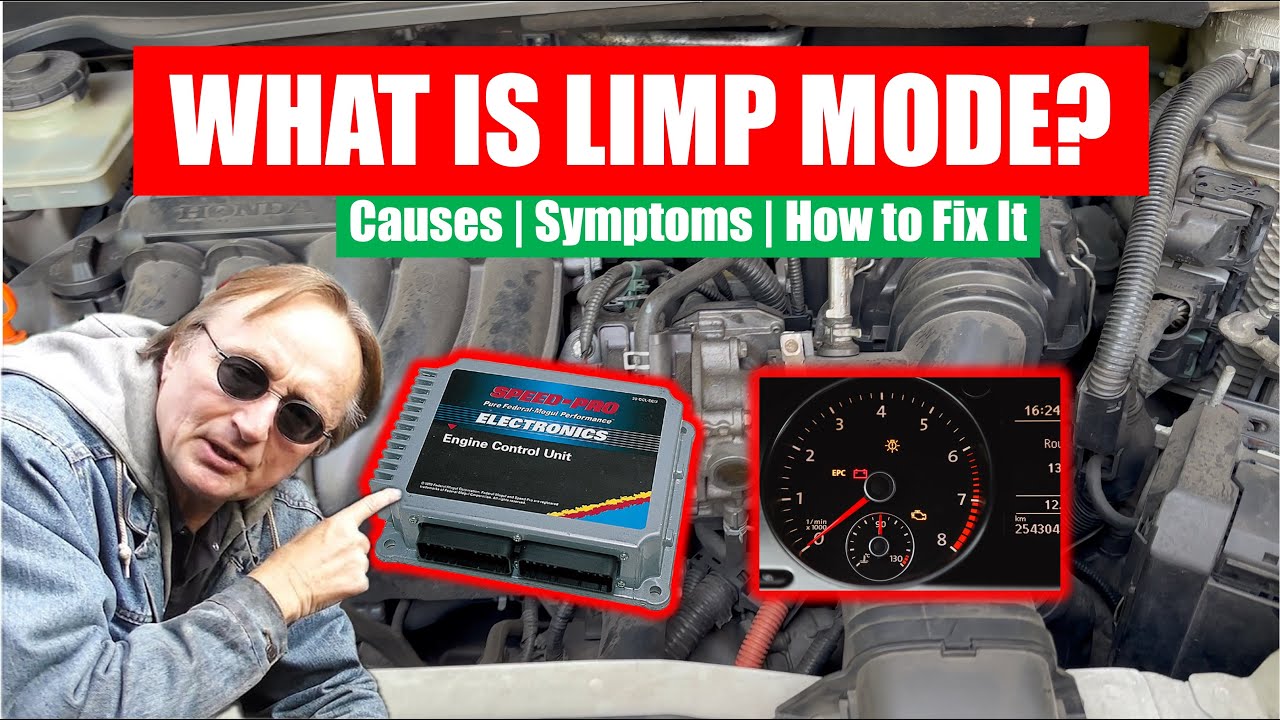
Limp mode is a built-in protection system controlled by the vehicle’s engine control module or transmission control module. When these computers detect unusual readings, they may limit speed, power, or gear changes.
The goal is not to stop your car completely. The goal is to help you reach a safe place while reducing the chance of serious damage. A vehicle in limp mode may feel slow because the system reduces engine output.
Many modern cars use limp mode because electronic controls manage fuel delivery, turbo boost, transmission pressure, and emissions systems.
- ✦ Reduced engine power
The computer may limit throttle response and acceleration to protect the engine.
- ✦ Limited transmission operation
Some vehicles stay in one gear or shift differently when a transmission problem is detected.
- ✦ Warning lights
The check engine light or other dashboard warnings often appear when limp mode activates.
Faulty Sensors Are One of the Most Common Causes of Limp Mode
A major reason why cars enter limp mode is incorrect information from sensors. The vehicle computer depends on sensor data to control engine performance.
When a sensor sends an abnormal signal, the computer may assume a dangerous condition exists. It then activates protection mode until the issue is checked.
A bad sensor does not always mean the sensor itself is broken. Wiring problems, dirty connectors, or electrical issues can create the same symptoms.

- ✦ Mass airflow sensor failure
A faulty MAF sensor can send incorrect air readings and affect engine power.
- ✦ Throttle position sensor problems
Incorrect throttle data can cause the computer to reduce acceleration.
- ✦ Boost pressure sensor faults
Turbocharged engines may enter limp mode when boost readings are outside normal limits.
Sensors That Can Trigger Limp Mode
Common sensors linked with limp mode include the oxygen sensor, MAP sensor, MAF sensor, throttle position sensor, and transmission speed sensors. A diagnostic scan helps identify which system reported the problem.
- ✦ Sensor diagnosis
Use stored trouble codes and live data to confirm whether a sensor is actually failing.
Transmission Problems Can Put a Vehicle Into Limp Mode
Transmission issues are another major answer to the question, what causes a car to enter limp mode. Automatic transmissions use electronic controls to manage shifting, pressure, and temperature.
If the transmission computer detects slipping, overheating, or incorrect gear information, it may lock the transmission into a safer gear.
Ignoring transmission warnings can lead to costly repairs because small problems can become major failures.

- ✦ Low transmission fluid
Low fluid can reduce hydraulic pressure and affect proper shifting.
- ✦ Transmission overheating
High temperatures can trigger protective limits to prevent damage.
- ✦ Faulty shift sensors
Bad speed sensors can confuse the transmission control system.
Engine Problems That Can Trigger Limp Mode
Engine-related failures are among the most common reasons a vehicle activates limp mode. The computer may detect conditions that could harm the engine if ignored.
Problems with fuel, air intake, ignition, or emissions systems can cause the computer to reduce power. The exact response depends on the vehicle manufacturer and model.
A proper diagnosis is important because many different problems can create similar symptoms.
- ✦ Turbocharger issues
Incorrect boost pressure can cause power reduction in turbo engines.
- ✦ Fuel system problems
Fuel pressure issues can prevent the engine from operating correctly.
- ✦ Engine misfires
Repeated misfires may cause the computer to protect the engine and catalytic converter.
How Engine Performance Changes During Limp Mode
Drivers often notice slower acceleration, limited RPM range, and poor throttle response. These changes are intentional because the vehicle computer is trying to prevent further damage.
- ✦ Limited RPM
The engine may stop increasing speed beyond a certain range.
Electrical and Wiring Problems That Cause Limp Mode
Modern vehicles depend heavily on electrical communication between computers, sensors, and control modules. A damaged wire or poor connection can create false warning signals.
Corrosion, loose connectors, battery problems, and damaged harnesses can interrupt important signals. This can make the computer believe a serious failure exists.
Electrical problems can be harder to find because the affected part may work sometimes and fail at other times.

- ✦ Damaged wiring
Broken wires can stop sensors from sending correct information.
- ✦ Weak battery voltage
Low voltage can affect electronic control systems.
- ✦ Poor connections
Loose plugs can create intermittent faults.
How to Diagnose Why Your Car Entered Limp Mode
Finding the cause of limp mode starts with checking the vehicle computer. An OBD2 scanner can read stored trouble codes and provide clues about the affected system.
The code itself is not always the final answer. A professional technician checks wiring, sensor readings, mechanical conditions, and manufacturer information before replacing parts.
A careful diagnosis saves money because it prevents unnecessary repairs.

- ✦ Scan diagnostic codes
Read stored codes using an OBD2 scanner before clearing warnings.
- ✦ Check basic maintenance
Inspect fluids, filters, battery condition, and visible wiring problems.
- ✦ Test failed systems
Confirm the actual failure before installing replacement parts.