If you drive in the United States, you have likely seen the small yellow engine symbol appear on your dashboard. Many drivers worry when it happens, but the light does not always mean a major repair is needed. It means your vehicle computer found something outside its normal range.
Understanding what causes a check engine light to turn on helps you make better decisions. In my experience with automotive troubleshooting, many drivers delay diagnosis because the car still runs normally. A quick check can often prevent a small issue from becoming an expensive repair.

How a Check Engine Light Works
Modern vehicles use many sensors and computers to monitor engine performance. The engine control module checks systems like fuel delivery, air intake, ignition, and emissions while you drive.
When the computer finds a reading that does not match expected values, it stores a diagnostic trouble code and turns on the check engine light. The code helps technicians find the area that needs attention.
The warning light does not directly tell you the exact problem. It only shows that the vehicle detected a condition that needs inspection.
- ✦ Engine Control Module
The computer that monitors engine functions and stores error codes when it detects unusual readings.
- ✦ Diagnostic Trouble Codes
Digital codes that provide clues about possible issues with vehicle systems.
- ✦ Dashboard Warning
The check engine symbol alerts the driver that a system needs testing.
Why the Light Does Not Always Mean Engine Failure
Many drivers think the check engine light always points to a damaged engine. In reality, the cause may be a small sensor problem, loose connection, or fuel system issue.
A proper diagnosis is important because replacing random parts can waste money and may not fix the real problem.
- ✦ Small Problems
Loose caps, minor sensor faults, or wiring issues can trigger the warning.
Common Reasons What Causes a Check Engine Light to Turn On
There are many reasons why a check engine light appears. Some causes are simple and inexpensive, while others require professional repair.
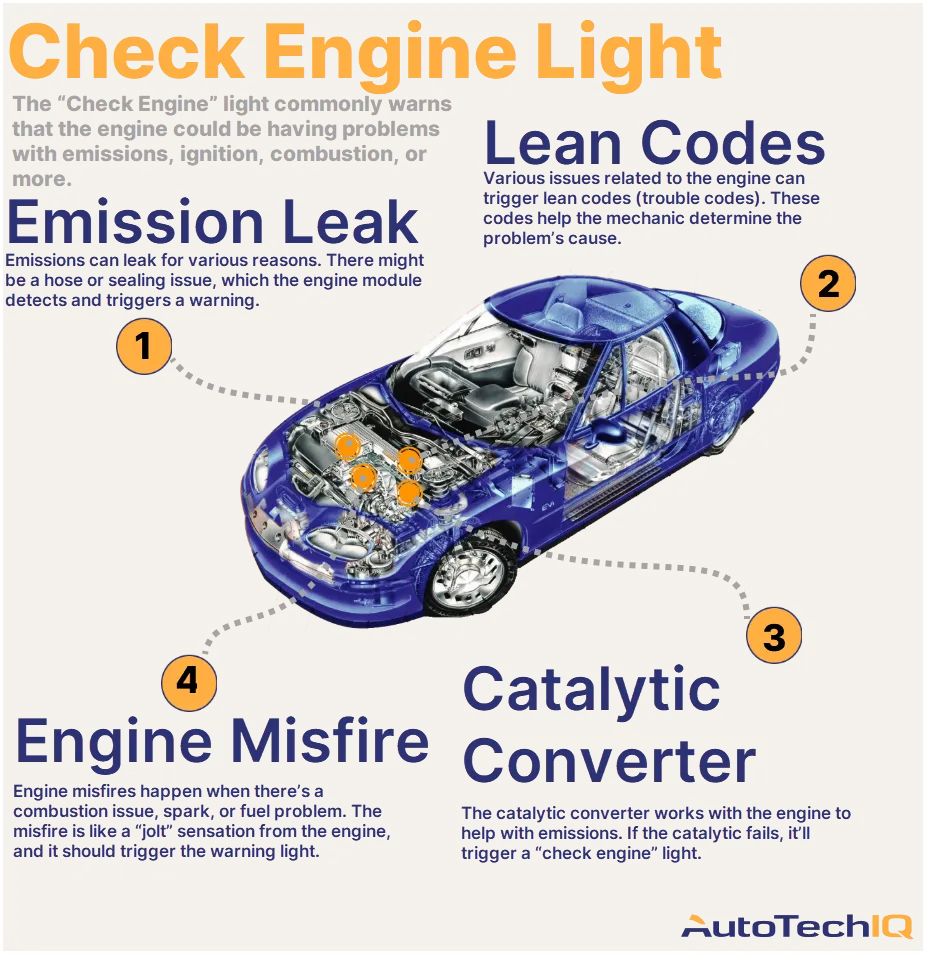
The most common causes involve fuel systems, sensors, ignition parts, and emissions equipment. Finding the exact cause requires checking the vehicle code and symptoms.

- ✦ Loose or Damaged Gas Cap
A loose gas cap can allow fuel vapor to escape and may trigger an emissions warning.
- ✦ Faulty Oxygen Sensor
A bad oxygen sensor can affect fuel mixture and reduce fuel efficiency.
- ✦ Worn Spark Plugs
Old spark plugs can cause misfires, rough running, and increased emissions.
- ✦ Bad Catalytic Converter
A failing catalytic converter can reduce emissions performance and affect engine operation.
Loose Gas Cap Problems
A loose gas cap is one of the easiest check engine light problems to fix. The fuel system needs to stay sealed to control vapor emissions.
After tightening the cap, the light may turn off after several driving cycles if no other problem exists.
- ✦ Simple Inspection
Check that the gas cap clicks tightly after refueling.
Sensor Failures That Can Trigger the Check Engine Light
Sensors help your vehicle computer understand what is happening inside the engine. When a sensor sends incorrect information, the computer may turn on the warning light.
Sensor problems are common because these parts work in hot, dirty, and stressful conditions for thousands of miles.

- ✦ Mass Airflow Sensor
Measures incoming air so the engine can receive the correct fuel amount.
- ✦ Oxygen Sensor
Measures exhaust oxygen levels to help control fuel mixture.
- ✦ Engine Temperature Sensor
Helps the computer adjust fuel and engine operation based on temperature.
Signs of a Bad Sensor
A faulty sensor may cause poor fuel economy, hesitation, rough idling, or slower acceleration.
Replacing a sensor without confirming the code can lead to unnecessary repairs, so diagnosis should come first.
- ✦ Fuel Economy Changes
Unexpected fuel usage may indicate incorrect sensor readings.
Engine Problems That Cause the Warning Light to Appear
The engine itself can trigger the check engine light when it cannot maintain normal performance. Common engine-related problems include misfires, fuel issues, and ignition failures.
A flashing check engine light is more serious because it may indicate an active misfire that can damage the catalytic converter.

- ✦ Engine Misfire
A misfire happens when one or more cylinders fail to burn fuel correctly.
- ✦ Fuel Injector Issues
Dirty or damaged injectors can affect how fuel enters the engine.
- ✦ Ignition Problems
Faulty coils or plugs can prevent proper combustion.
What a Flashing Check Engine Light Means
A flashing warning light usually requires quick attention. Continuing to drive may increase damage, especially if the engine is misfiring.
If the vehicle shakes, loses power, or smells unusual, it is safer to stop driving and have it inspected.
- ✦ Urgent Warning
A flashing light should be treated more seriously than a steady light.
How to Diagnose Why Your Check Engine Light Is On
The first step in diagnosing a check engine light is reading the stored trouble code. Many auto parts stores and repair shops can scan codes, while many drivers use personal OBD2 scanners.
A code is a starting point, not a final answer. A skilled technician checks related parts, wiring, and vehicle symptoms before recommending repairs.

- ✦ Use an OBD2 Scanner
A scanner reads stored codes from the vehicle computer.
- ✦ Check Vehicle Symptoms
Noise, shaking, smells, and performance changes provide important clues.
- ✦ Inspect Related Parts
Technicians test components before replacing anything.
Can You Drive With the Check Engine Light On?
A steady check engine light may allow limited driving if the vehicle feels normal. However, you should schedule a diagnosis soon.
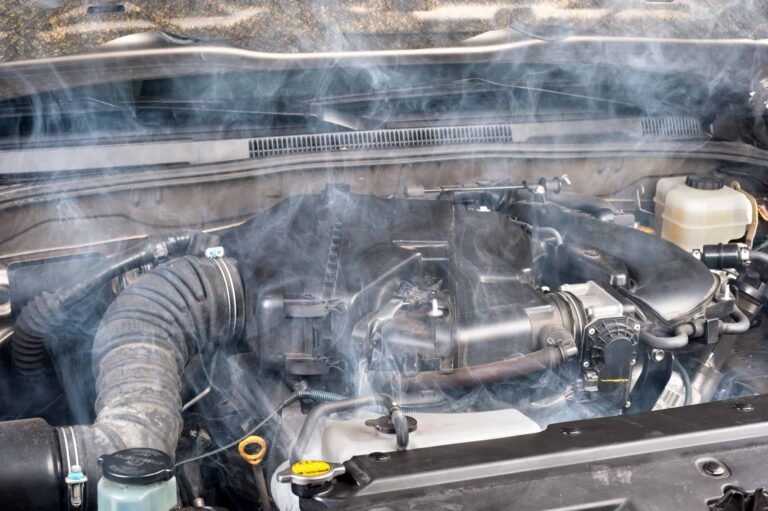
A flashing light, severe shaking, smoke, or power loss means you should seek help quickly.
- ✦ Monitor Changes
Pay attention to new sounds, smells, or performance problems.
How to Prevent Check Engine Light Problems
Regular maintenance is one of the best ways to reduce check engine light problems. Simple habits can help your vehicle run better and avoid expensive repairs.
Following the manufacturer’s maintenance schedule keeps important systems working correctly.
- ✦ Replace Fluids on Time
Clean fluids help protect engine and transmission components.
- ✦ Maintain Ignition Parts
Replacing worn spark plugs and coils can prevent misfires.
- ✦ Inspect Warning Signs Early
Small problems are often easier and cheaper to repair.