Air suspension systems give many modern vehicles a smoother ride, better handling, and adjustable ride height. They are common in luxury cars, SUVs, and some trucks in the United States. However, like any mechanical system, air suspension can wear out over time.
Understanding what causes air suspension failure helps vehicle owners spot problems early. In my experience studying automotive repair issues, many major suspension failures begin with small warning signs such as a slow air leak or unusual compressor noise that drivers ignore.
This guide explains the most common reasons air suspension systems fail, the symptoms to watch for, and the steps that can help prevent costly repairs.
How an Air Suspension System Works
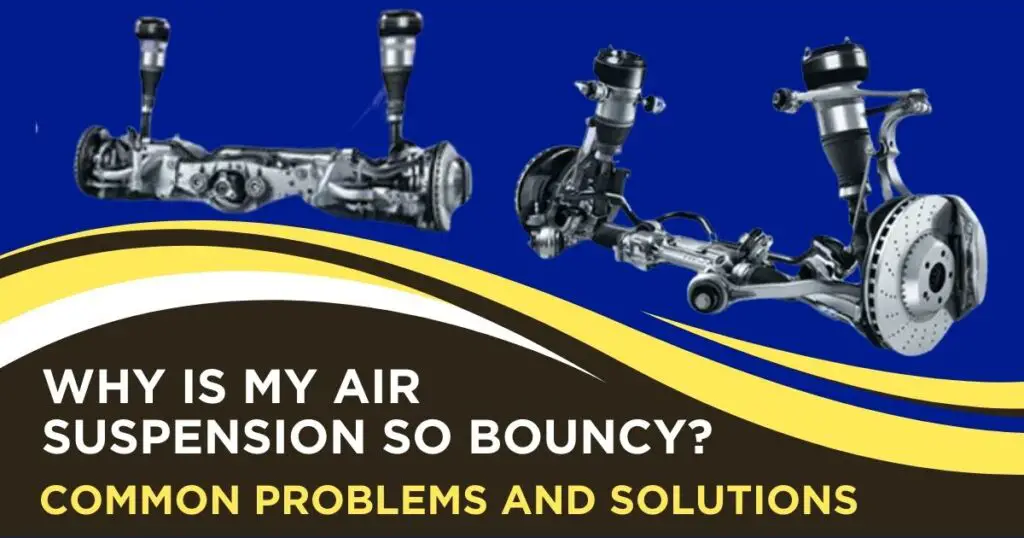
Before understanding what causes air suspension failure, it helps to know how the system works. Traditional suspension systems use steel springs, but air suspension uses flexible air springs filled with compressed air.
The system uses several parts, including air bags, an air compressor, air lines, valves, sensors, and an electronic control module. These parts work together to keep the vehicle at the correct height and provide a comfortable ride.
When one component fails, the entire system can become unstable. A small leak can force the compressor to work harder, which may lead to additional damage.
- ✦ Air springs
Flexible rubber components that hold compressed air and support vehicle weight.
- ✦ Air compressor
A pump that creates air pressure needed to raise and maintain vehicle height.
- ✦ Height sensors
Electronic sensors that measure vehicle position and adjust suspension height.
Air Leaks Are One of the Most Common Causes of Air Suspension Failure
Air leaks are among the leading answers to the question: what causes air suspension failure? The system depends on sealed air pressure, so even a small leak can affect performance.
Leaks often develop in old air bags, cracked rubber seals, damaged air lines, or connection points. Cold weather can make rubber parts harder and increase the chance of cracks.
Many drivers notice the vehicle sitting lower after being parked overnight. This is often an early sign that the suspension is losing air pressure.

- ✦ Aging air bags
Rubber air springs can dry out, crack, and lose their ability to hold air.
- ✦ Damaged air lines
Small holes or broken connections can slowly release air from the system.
How to Identify an Air Leak
A simple way to check for leaks is to listen for hissing sounds near the air springs or air lines. A mechanic may also use leak detection spray to find escaping air bubbles.
- ✦ Vehicle drops overnight
A corner of the vehicle may sit lower after several hours.
A Failing Air Suspension Compressor Can Damage the Entire System
The compressor is responsible for creating the air pressure needed for suspension adjustments. When it starts failing, the vehicle may struggle to reach normal ride height.
A common mistake is replacing only the compressor without fixing the original cause. For example, if an air leak forces the compressor to run constantly, a new compressor may fail again quickly.
Compressor problems are a major part of what causes air suspension failure because the system cannot operate correctly without proper air pressure.

- ✦ Overworked compressor
Leaks can force the compressor to run longer than designed, causing overheating and wear.
- ✦ Electrical failure
Faulty relays, wiring, or fuses can prevent the compressor from operating.
Signs of a Bad Air Compressor
Common signs include loud buzzing sounds, slow lifting, suspension warning lights, and a vehicle that stays low even after startup.
- ✦ Long running time
The compressor runs longer than normal because the system cannot maintain pressure.
Worn Air Springs and Rubber Components Cause Suspension Problems
Air springs are built to handle thousands of cycles, but they do not last forever. Over time, the rubber material becomes weaker due to heat, road conditions, and age.
Vehicles driven in areas with extreme weather may experience faster wear. In many parts of the United States, winter salt, freezing temperatures, and rough roads can increase stress on suspension parts.
Replacing worn air springs before complete failure can protect other components and prevent a more expensive repair.
- ✦ Age-related wear
Older air springs may develop cracks that allow air pressure loss.
- ✦ Road damage
Potholes and rough roads can put extra stress on suspension components.
Electrical and Sensor Problems Can Trigger Air Suspension Failure
Modern air suspension systems depend heavily on electronics. Height sensors, control modules, and wiring systems help the vehicle maintain the correct ride height.
A damaged sensor can send incorrect information to the suspension computer. This may cause uneven height, warning messages, or poor ride quality.
Electrical faults can be difficult to diagnose because the mechanical parts may appear normal while the control system is failing.

- ✦ Faulty height sensors
Incorrect sensor readings can stop the system from adjusting properly.
- ✦ Control module issues
Computer problems can interrupt communication between suspension components.
Poor Maintenance Habits Increase the Risk of Air Suspension Failure
Ignoring small suspension issues is one of the biggest reasons repairs become expensive. A slow leak may seem harmless, but it can damage the compressor and other parts.
Regular inspections help identify worn components before they create a complete system failure. Professional checks are especially important for older vehicles with air suspension.
Knowing what causes air suspension failure allows owners to take preventive action instead of waiting for a breakdown.

- ✦ Skipping inspections
Small problems can remain hidden until major components fail.
- ✦ Ignoring warning lights
Suspension warning messages often appear before serious damage occurs.