When drivers ask what causes an engine misfire, they are often dealing with a problem they can feel before they understand it. The engine may shake at idle, lose power during acceleration, or turn on the check engine light. These signs mean one or more cylinders are not working as they should.
From my experience studying vehicle repair issues, the fastest way to solve a misfire is to understand how the engine creates power. A gasoline engine needs the right mix of fuel, air, compression, and spark. If one part fails, the combustion process can break down.
In the United States, many drivers use their vehicles every day for commuting, school runs, and long trips. A small engine issue can become a bigger repair if ignored. This guide explains what causes an engine misfire, how to find the source, and what steps can help fix it.
What Is an Engine Misfire?
An engine misfire happens when a cylinder does not complete the combustion process correctly. Instead of burning fuel and air to create power, that cylinder produces little or no power.
Modern engines use computers, sensors, and precise timing to control combustion. When something interrupts this balance, the engine may run rough or lose performance. The computer often detects this issue and stores a trouble code.
A misfire can affect one cylinder or several cylinders. Some misfires happen only during acceleration, while others appear when the engine is idling or starting.
- ✦ Cylinder failure
A cylinder may fail to create power because it lacks spark, fuel, air, or proper compression.
- ✦ Engine computer warning
The vehicle control module may turn on the check engine light after detecting irregular combustion.
Why Proper Combustion Matters
Every engine cycle depends on exact timing. The spark must ignite the fuel mixture at the correct moment. Even a small problem can create poor performance and wasted fuel.
- ✦ Power loss
A weak combustion event reduces the energy sent to the wheels.
The Most Common Causes of an Engine Misfire
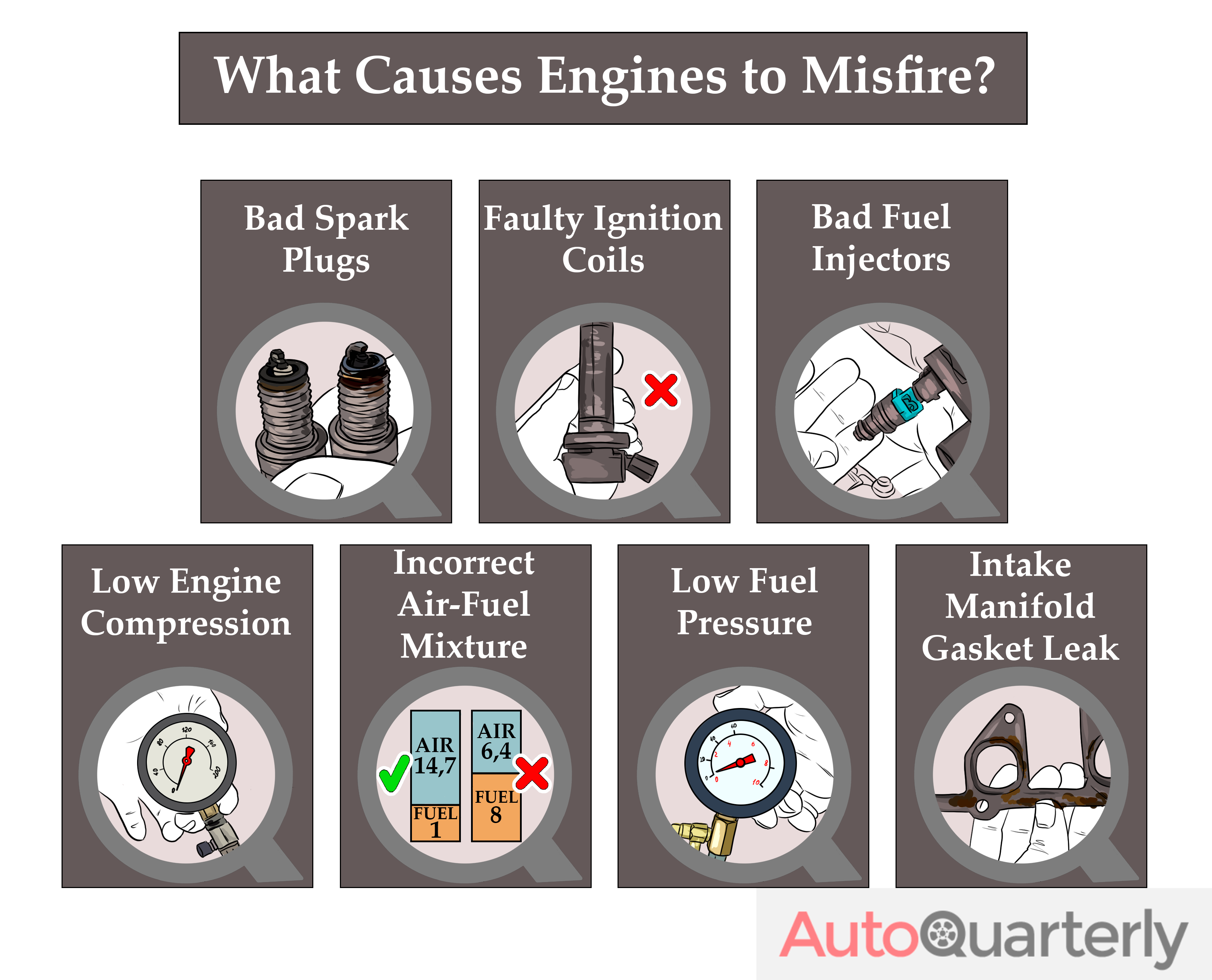
Understanding what causes an engine misfire starts with the main systems involved in combustion. Most problems come from the ignition system, fuel delivery system, air supply, or engine mechanics.
A proper diagnosis should check these areas in order. Replacing random parts can waste money because many different failures create similar symptoms.
- ✦ Worn spark plugs
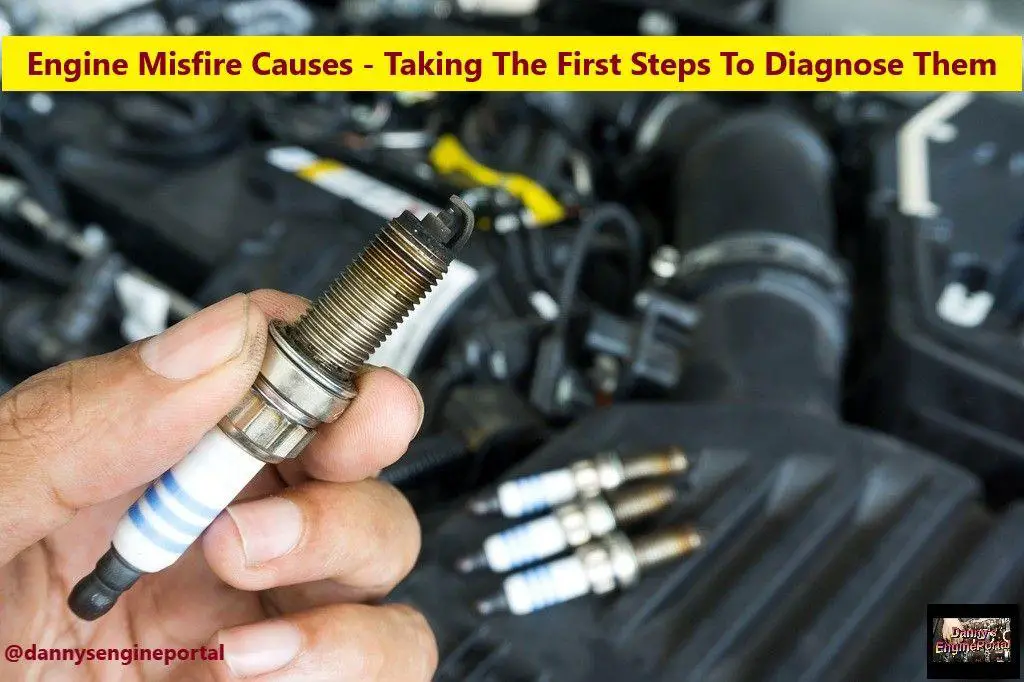
Old or damaged spark plugs may create a weak spark that cannot ignite the fuel mixture correctly.
- ✦ Bad ignition coils
A failing ignition coil may stop sending enough voltage to the spark plug.
- ✦ Fuel injector problems
Dirty or damaged injectors can deliver too little or too much fuel.
- ✦ Air leaks
Vacuum leaks can change the air and fuel balance inside the engine.
Ignition System Problems
The ignition system creates the spark needed for combustion. A weak spark is one of the most common reasons behind an engine misfire.
Spark plugs wear over time because they operate in extreme heat. Ignition wires, coils, and related parts can also fail and create inconsistent engine performance.
- ✦ Common ignition signs
Drivers may notice rough idle, slow acceleration, and shaking when ignition parts fail.
Fuel Delivery Problems
The engine needs the correct amount of fuel at the right time. A clogged injector, weak fuel pump, or poor fuel pressure can cause a cylinder to misfire.
Fuel problems often become more noticeable under load because the engine needs more fuel during acceleration.
- ✦ Fuel-related symptoms
Common signs include hesitation, reduced power, and poor fuel economy.
Engine Misfire Symptoms You Should Not Ignore
Knowing the symptoms can help drivers identify a problem before it causes more damage. Many people first notice a change in how the vehicle feels.
A misfire does not always happen constantly. Some vehicles only show symptoms when cold, during acceleration, or while climbing hills.
- ✦ Rough engine idle
The vehicle may shake or vibrate while sitting at a stop.
- ✦ Flashing check engine light
A flashing light can indicate a serious misfire that may damage the catalytic converter.
- ✦ Loss of acceleration
The engine may feel weak because one or more cylinders are not producing normal power.
- ✦ Higher fuel use
Poor combustion can cause the engine to burn fuel inefficiently.
Why a Flashing Check Engine Light Matters
A steady check engine light often means the vehicle detected a stored issue. A flashing light usually means the problem is active and may be causing damage.
Drivers should avoid heavy driving when the light flashes. A professional inspection can prevent additional repairs.
- ✦ Catalytic converter risk
Unburned fuel can enter the exhaust system and overheat the catalytic converter.
How Mechanics Diagnose an Engine Misfire
Finding what causes an engine misfire requires a step-by-step approach. A mechanic usually starts by reading diagnostic trouble codes from the vehicle computer.
The code may identify a specific cylinder, but it does not always identify the exact failed part. More testing is needed before making repairs.

- ✦ Scan tool testing
A diagnostic scanner can show misfire codes and engine data.
- ✦ Visual inspection
Technicians check wiring, connectors, vacuum hoses, and visible damage.
- ✦ Component testing
Spark plugs, coils, injectors, and compression are tested to find the source.
Cylinder Swap Testing
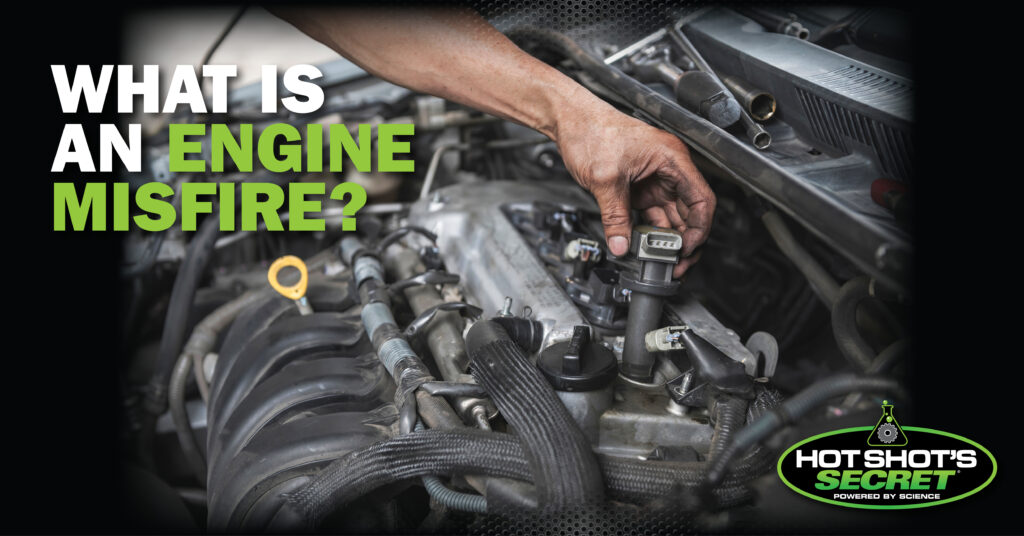
One common method is moving a suspected part, such as an ignition coil, to another cylinder. If the misfire moves with the part, that component may be faulty.
This method helps avoid unnecessary replacements and creates a clearer diagnosis.
- ✦ Useful diagnostic method
Swapping components can quickly identify certain ignition failures.
Can You Drive With an Engine Misfire?
Driving with a misfire is not always safe. A mild problem may allow short trips, but continued driving can increase damage.
When fuel does not burn inside the cylinder, it can move into the exhaust system. This may damage expensive emissions parts.
- ✦ Short-term driving
A vehicle with a minor issue may move, but it should be inspected soon.
- ✦ Long-term damage
Ignoring a misfire can lead to higher repair costs and reduced engine life.
When to Stop Driving
Stop driving if the engine shakes heavily, loses major power, smells like fuel, or the check engine light flashes.
These signs suggest the problem may be severe and needs immediate attention.
- ✦ Safety first
Avoiding extra damage protects both the vehicle and the driver.
How to Prevent Future Engine Misfires
Regular maintenance is the best way to reduce the chance of engine misfires. Small issues become expensive when ignored for too long.
Following the manufacturer’s maintenance schedule helps keep ignition, fuel, and engine systems working correctly.
- ✦ Replace spark plugs on time
Fresh spark plugs help maintain strong and reliable ignition.
- ✦ Use quality fuel
Clean fuel helps protect injectors and fuel system parts.
- ✦ Check warning signs early
Fixing small performance changes can prevent bigger engine problems.
Simple Maintenance Habits
Drivers can reduce risks by checking fluid levels, following service intervals, and paying attention to unusual sounds or vibrations.
Early action often costs less than repairing damage caused by a neglected misfire.
- ✦ Regular inspections
Routine checks help identify worn parts before failure occurs.