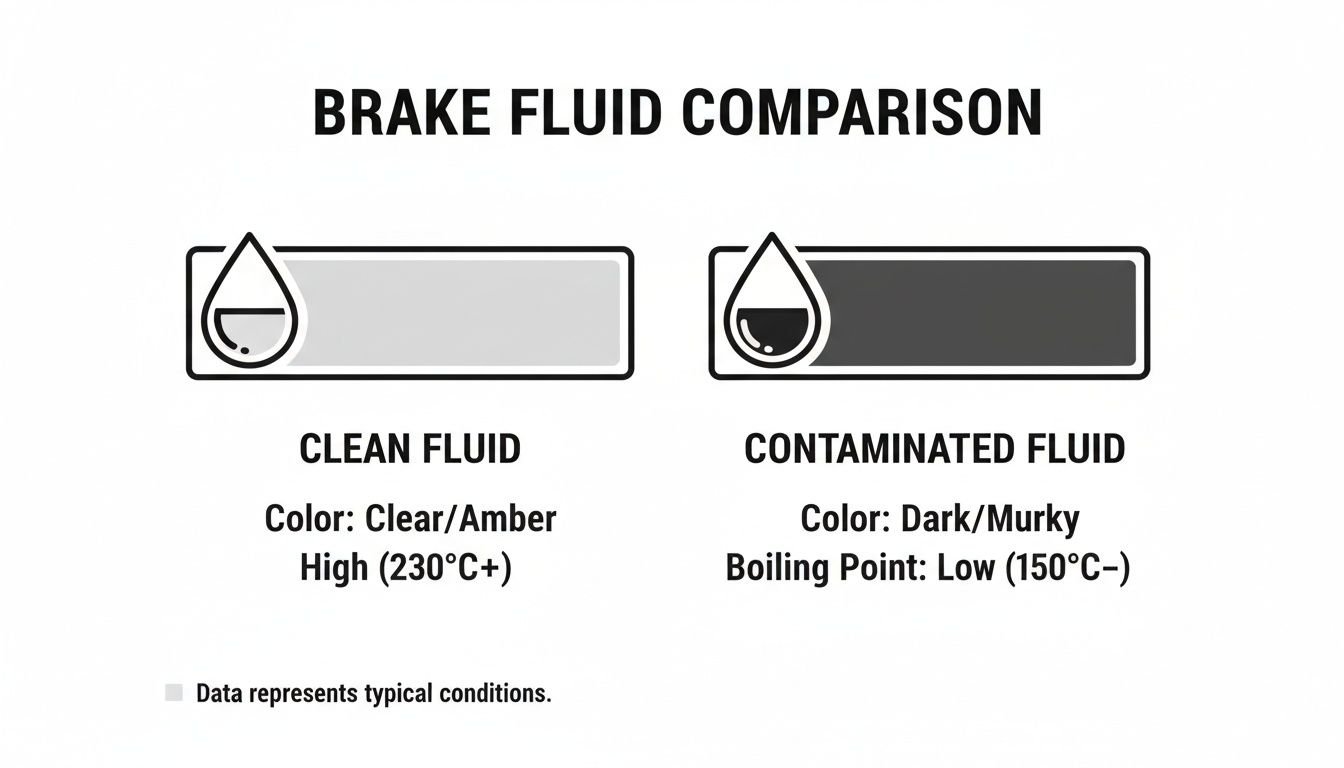
Understanding what causes brake fluid to become contaminated helps drivers prevent brake problems before they become dangerous. Brake fluid works inside a sealed hydraulic system, but it is not completely protected from outside elements. Over time, small amounts of water, air, and debris can enter the system and change how the fluid performs.
In my experience studying vehicle maintenance issues, brake fluid is often ignored because drivers cannot easily see it working. Many people check engine oil and tires but forget that clean brake fluid plays a major role in every safe stop. In the United States, where many drivers spend hours on highways and city roads, proper brake maintenance is especially important.
 display: block; margin: 0 auto; border-radius: 12px; box-shadow: 0 8px 25px rgba(0, 0, 0, 0.12);”>
How Brake Fluid Becomes Contaminated Over Time
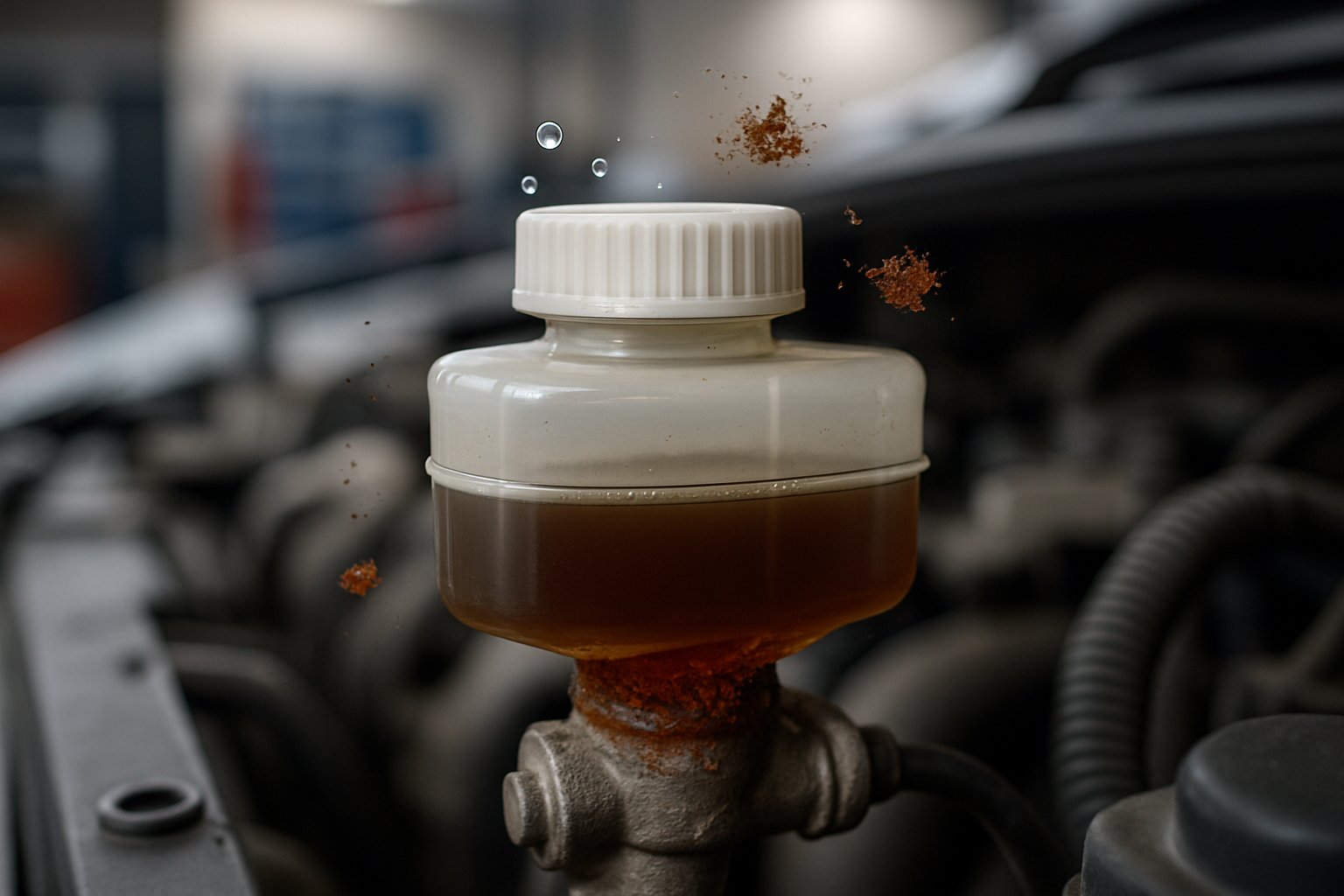
Brake fluid contamination happens when unwanted materials enter or form inside the hydraulic brake system. These materials can include water, dust, rust particles, rubber debris, and chemical residues. Even when a vehicle has no visible leaks, brake fluid can slowly lose its quality.
The main reason behind contamination is that brake fluid absorbs moisture from the surrounding air. Most modern brake fluids are hygroscopic, which means they naturally attract and hold water. This helps explain why understanding what causes brake fluid to become contaminated is important for every vehicle owner.
- ✦ Moisture absorption
Brake fluid pulls water vapor through seals, hoses, and the reservoir vent. Over time, water lowers the fluid’s boiling point and reduces performance.
- ✦ Dirt and debris entry
Small particles can enter during maintenance, through damaged caps, or from worn brake components.
- ✦ Chemical breakdown
Heat and age can break down the fluid’s protective additives and change its chemical properties.
Why Moisture Is the Biggest Contaminant
Moisture is one of the most common answers to what causes brake fluid to become contaminated. Water lowers the boiling point of brake fluid, which can create problems during heavy braking.
When brakes get hot, water inside the fluid can turn into vapor. Unlike liquid brake fluid, vapor can compress, creating a soft brake pedal and reduced braking response.
Heat and Extreme Driving Conditions Damage Brake Fluid
Brake systems create intense heat during normal operation. Frequent braking, mountain driving, towing, and stop-and-go traffic can increase temperatures and speed up brake fluid aging.
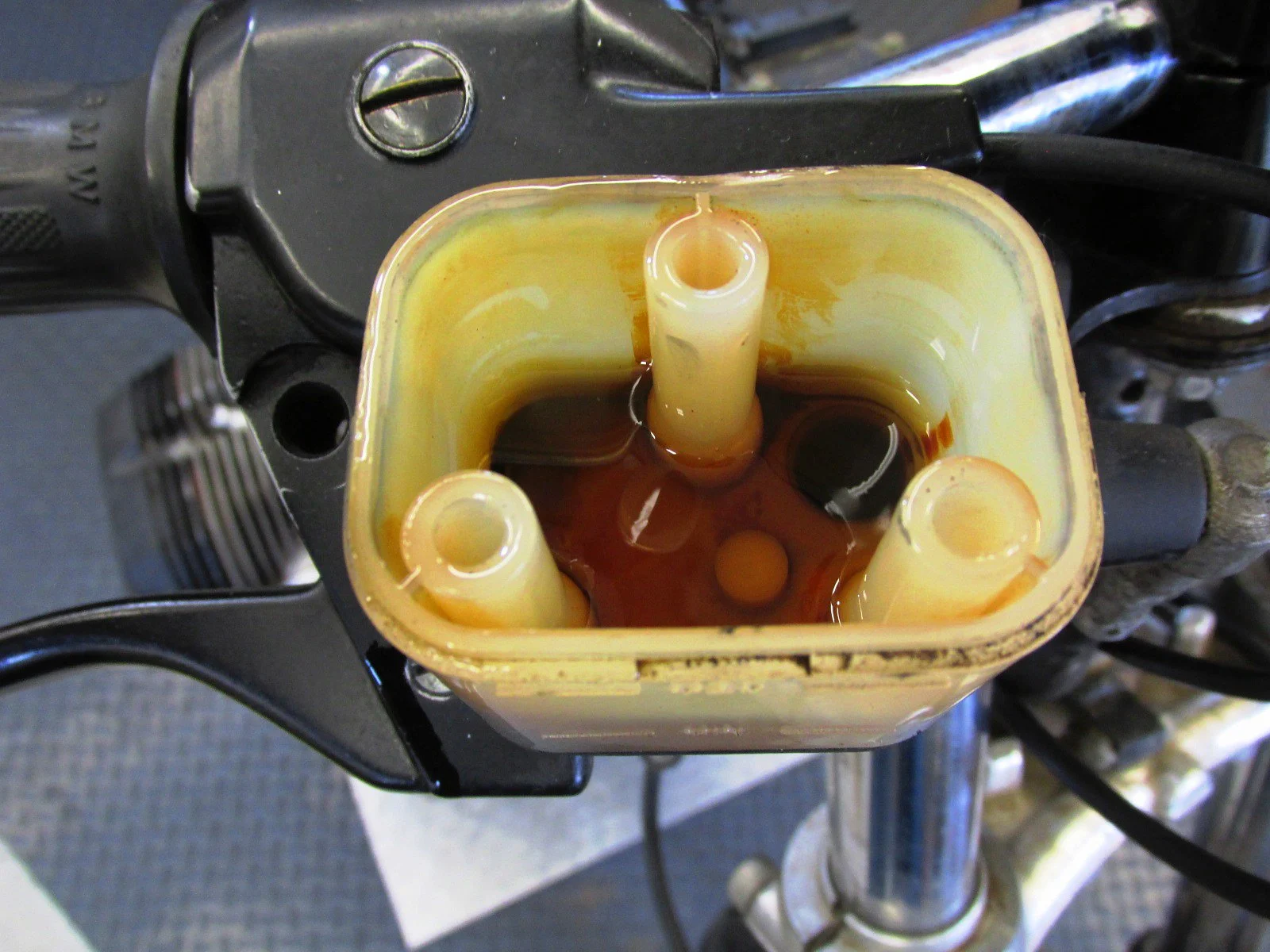
High heat causes brake fluid to break down faster. This process can create dark fluid, reduce lubrication ability, and increase the chance of internal corrosion.
- ✦ Heavy traffic driving
Repeated braking in city traffic creates more heat cycles and can accelerate fluid deterioration.
- ✦ Towing and carrying heavy loads
Extra vehicle weight forces brakes to work harder, increasing heat stress on the fluid.
- ✦ Performance driving
Racing, mountain roads, and aggressive braking expose brake fluid to extreme temperatures.
How Heat Changes Brake Fluid Quality
Fresh brake fluid is designed to handle high temperatures, but it cannot resist heat damage forever. As the fluid ages, it becomes less effective at protecting brake system parts.
Drivers may notice a softer pedal, slower braking response, or changes in fluid color when contamination becomes severe.
Brake Fluid Contamination From Dirt, Rust, and Internal Wear
Another major factor in what causes brake fluid to become contaminated is internal wear. Brake system parts contain rubber seals, metal surfaces, and moving components that slowly wear over time.
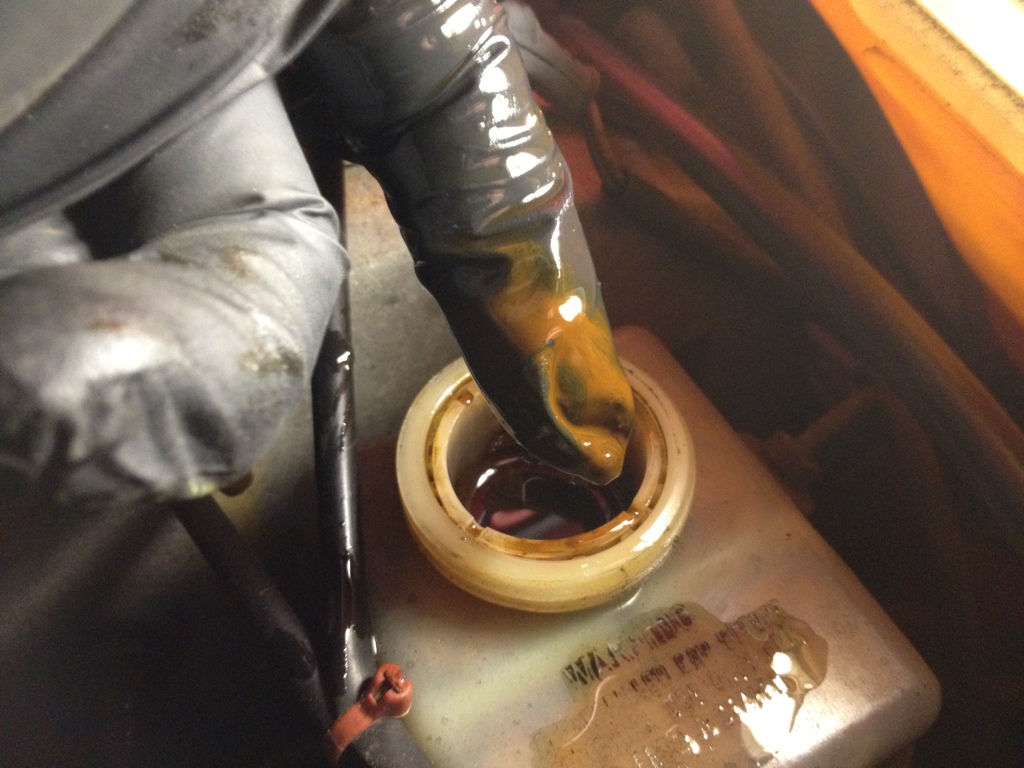
Small particles from aging seals or corrosion inside brake lines can mix with the fluid. These contaminants may damage sensitive parts like the master cylinder and ABS components.
- ✦ Rust particles
Moisture inside the system can create corrosion, producing particles that contaminate the fluid.
- ✦ Aging rubber seals
Old seals may release tiny pieces of material into the hydraulic system.
- ✦ Poor maintenance practices
Leaving the reservoir open or using dirty tools can introduce unwanted debris.
Why Clean Brake Fluid Protects Brake Components
Brake fluid does more than transfer pressure. It also helps protect internal brake parts from corrosion and wear.
Keeping the fluid clean reduces stress on expensive components and helps maintain consistent braking performance.
Incorrect Brake Fluid Handling Can Cause Contamination
Brake fluid can become contaminated during repairs if technicians do not follow proper procedures. Using an open container, dirty equipment, or the wrong type of fluid can introduce problems.
Brake fluid types are designed for specific systems. Mixing incompatible fluids can affect seals, performance, and safety.
- ✦ Using an open container
Brake fluid absorbs moisture from air quickly, especially when stored improperly.
- ✦ Wrong fluid type
Different brake fluid grades should not be mixed unless approved by the vehicle manufacturer.
- ✦ Dirty service tools
Contaminated tools can transfer dirt and chemicals into the brake reservoir.
Signs That Your Brake Fluid May Be Contaminated
Knowing the warning signs helps drivers identify contamination before it affects safety. Brake fluid does not always fail suddenly. Problems often develop slowly as the fluid collects moisture and debris.
A visual inspection can reveal some issues, but professional testing provides a more accurate picture of brake fluid condition.

- ✦ Dark or cloudy fluid color
Fresh brake fluid is usually clear or light-colored. Dark fluid may indicate aging or contamination.
- ✦ Soft brake pedal
Moisture and vapor formation can reduce hydraulic pressure.
- ✦ Poor braking response
Contaminated fluid may reduce braking consistency during demanding conditions.
Checking Brake Fluid Condition at Home
Drivers can inspect the brake fluid reservoir for color changes and low fluid levels. However, appearance alone cannot show all contamination problems.
A moisture tester or professional brake inspection can measure the condition more accurately.
How to Prevent Brake Fluid Contamination
Preventing contamination is easier and less expensive than repairing damaged brake components. A simple maintenance routine can help keep brake fluid working correctly for longer.
The best approach is to follow the vehicle manufacturer’s maintenance schedule and replace brake fluid when needed.
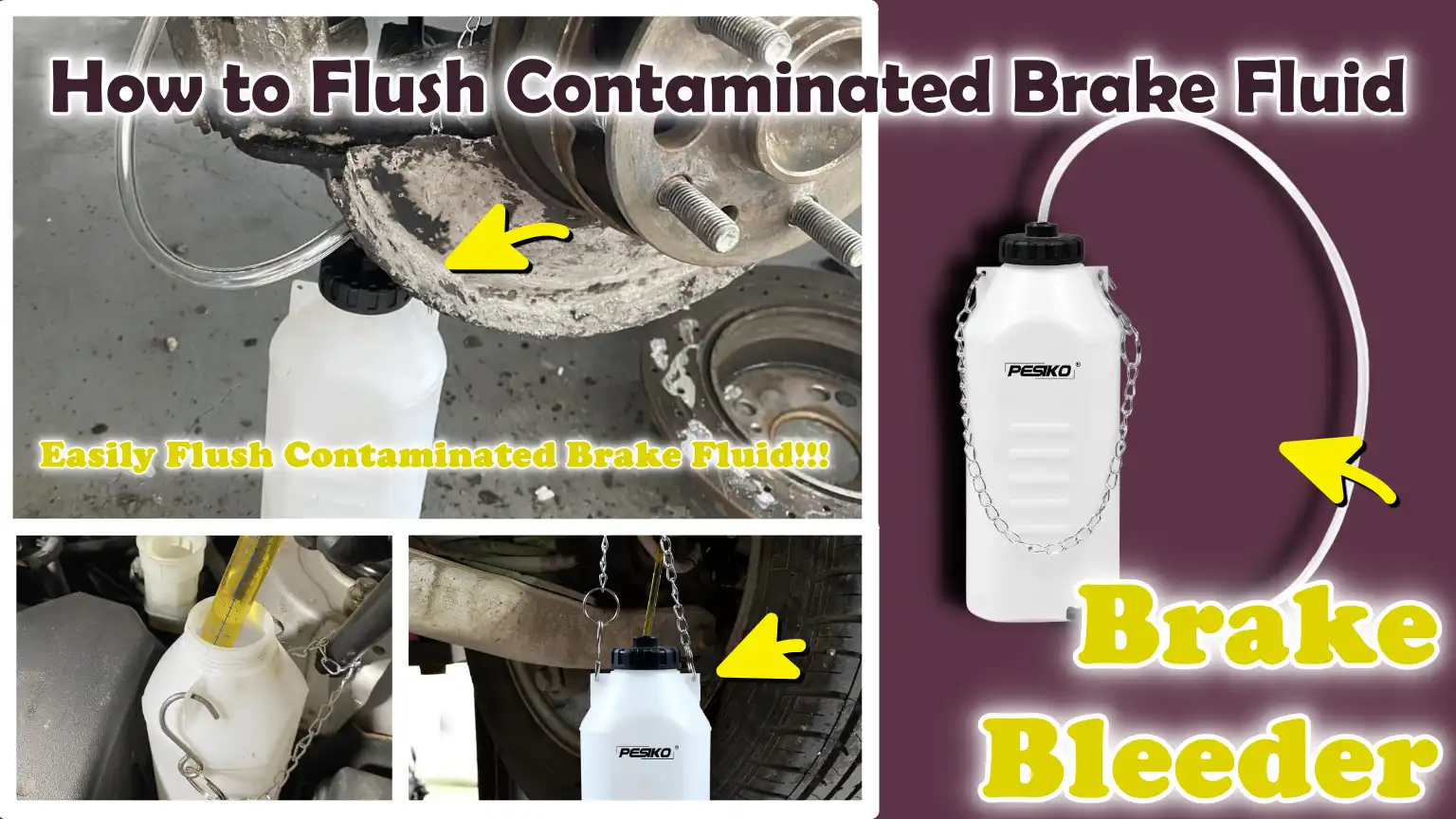
- ✦ Replace brake fluid regularly
Routine fluid changes remove moisture and old fluid from the hydraulic system.
- ✦ Keep the reservoir sealed
A closed reservoir helps reduce moisture and dirt entry.
- ✦ Use the correct brake fluid
Always use the fluid type recommended for the vehicle.