Many drivers notice dim headlights when driving at night, starting the engine, braking, or turning on extra accessories. Understanding what causes headlights to dim can help you find a problem before it becomes a safety risk.
From years of working with vehicle electrical systems, one common pattern is that dim headlights rarely come from a single cause. A weak power supply, poor connection, or aging lighting part can slowly reduce brightness. A simple inspection often reveals the source.
In the United States, where many people drive long distances and rely on vehicles every day, bright headlights are important for safe night driving. This guide explains the most common causes, warning signs, and practical solutions.

Weak or Failing Car Battery
A weak battery is one of the most common answers to the question, what causes headlights to dim. The battery supplies power when the vehicle starts and helps support electrical systems when demand increases.
When a battery loses its ability to hold a charge, headlights may appear weaker, especially when the engine is off or during startup. A battery that is several years old may not deliver stable power.
- ✦ Slow engine starts
A weak battery often causes slow cranking, clicking sounds, or trouble starting the vehicle.
- ✦ Voltage drops
Low battery voltage can reduce the amount of power reaching the headlights.
How to Check Battery Health
A simple battery voltage test can show if the battery is holding enough power. Many auto parts stores in the U.S. offer free battery testing.
Look for corrosion around the battery terminals because dirty connections can block electricity flow and make headlights dim.
- ✦ Inspect terminals
Clean white or green corrosion from battery connections to improve electrical contact.
Alternator Problems and Charging System Failure
The alternator keeps the battery charged and powers electrical parts while the engine runs. If the alternator becomes weak, headlights may dim because the vehicle is not receiving enough electrical power.
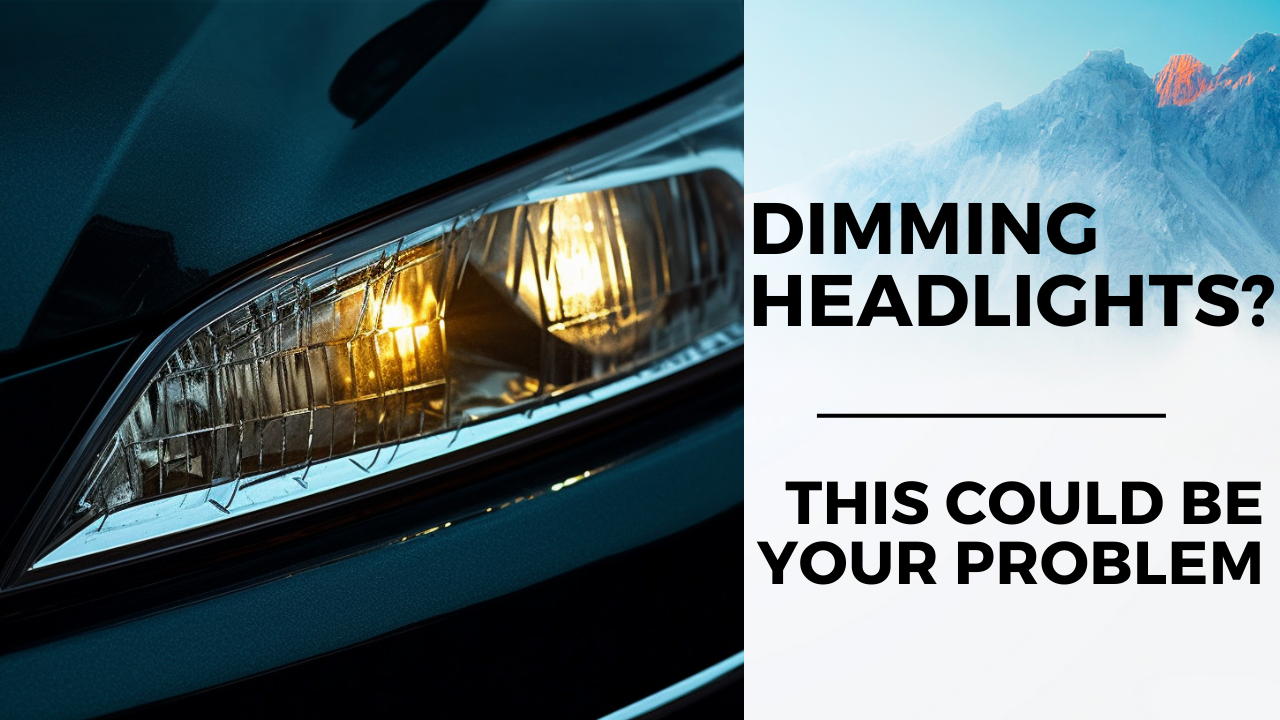
A common sign is headlights that become brighter when you accelerate and dim when the engine slows down. This can happen because alternator output changes with engine speed.
- ✦ Faulty alternator
A failing alternator may not produce enough voltage to support headlights and other systems.
- ✦ Loose drive belt
A damaged or loose belt can reduce alternator performance.
Why Alternator Issues Affect Headlight Brightness
Modern vehicles use many electrical systems, including computers, sensors, entertainment systems, and safety features. A weak charging system can struggle to keep everything powered.
Testing alternator output with a multimeter is a useful step when diagnosing dim headlights.
- ✦ Charging voltage check
A technician can measure charging output to confirm if the alternator is working correctly.
Bad Electrical Connections and Grounding Problems
Poor electrical connections are another major reason why headlights become dim. Electricity needs a clean path from the battery to the headlights and back through the ground connection.
Loose wires, damaged connectors, or rusty ground points can reduce power flow. The headlights may still work, but they will not shine at full brightness.
- ✦ Corroded wiring
Rust or corrosion can increase resistance and reduce electricity reaching the bulbs.
- ✦ Poor ground connection
A weak ground can cause flickering, dim lights, or uneven brightness.
Signs of Wiring Problems
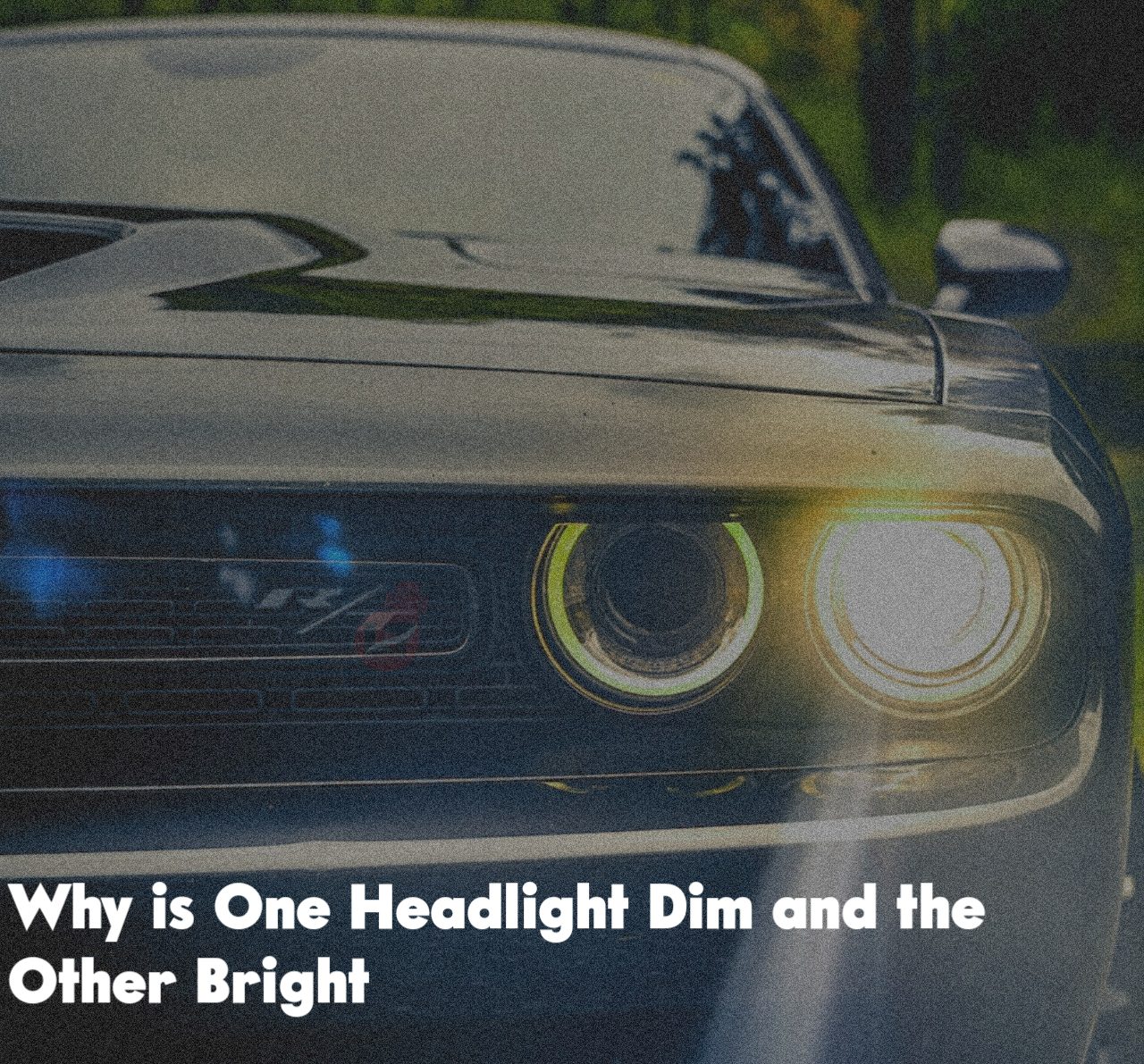
If one headlight is dimmer than the other, the issue may come from a local wiring problem rather than the battery or alternator.
Electrical problems should be checked carefully because damaged wiring can affect other vehicle systems.
- ✦ Uneven headlights
One dim headlight often points to a bulb, socket, or wiring issue.
Aging or Damaged Headlight Bulbs
Headlight bulbs lose brightness over time. Even when a bulb still works, the filament or internal components may weaken and produce less light.
Halogen bulbs usually become weaker before they burn out completely. LED headlights can also lose brightness when internal electronics wear out.

- ✦ Old halogen bulbs
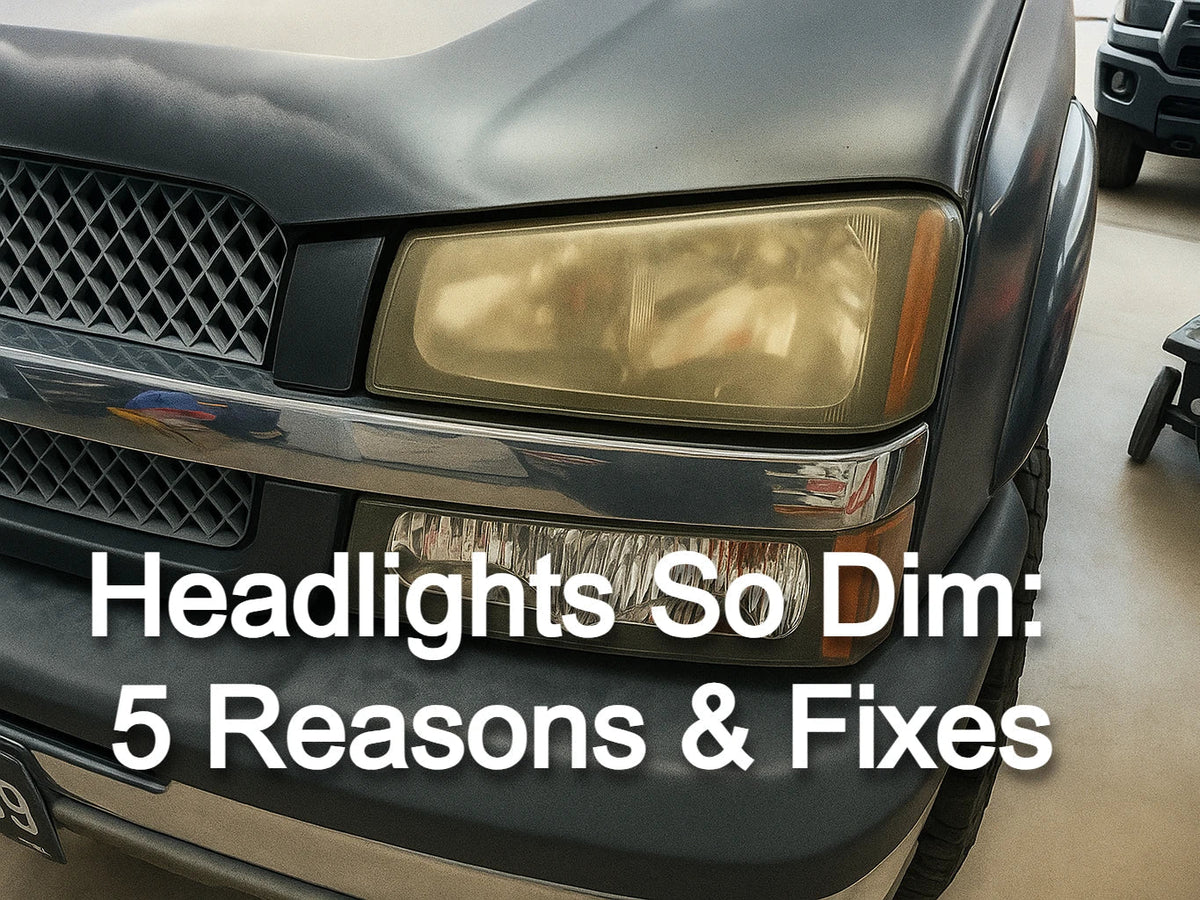
Aging halogen bulbs may create a yellow or weak beam compared with new bulbs.
- ✦ LED failure
LED systems may dim because of heat damage or electronic component failure.
When Should You Replace Headlight Bulbs?
Replace bulbs when they appear noticeably darker, when the light color changes, or when visibility decreases at night.
Always replace bulbs in pairs when possible because matching bulbs provide more even lighting.
- ✦ Replace both sides
New bulbs on both sides help maintain balanced visibility.
Dirty or Cloudy Headlight Lenses
Sometimes the electrical system works perfectly, but headlights still look dim because the outer lens is damaged. Plastic headlight covers can become cloudy from sunlight, weather, and road debris.
A cloudy lens blocks light output and reduces visibility. Cleaning or restoring the lens can improve brightness without replacing the entire headlight assembly.

- ✦ UV damage
Sun exposure can turn clear plastic lenses yellow and hazy.
- ✦ Road damage
Small scratches and debris impacts can reduce light clarity.
How to Improve Cloudy Headlights
Headlight restoration kits can remove surface damage and restore clarity. For severe damage, replacing the lens or assembly may be necessary.
Keeping lenses clean helps maintain better nighttime visibility.
- ✦ Regular cleaning
Wash headlights during routine vehicle cleaning to remove dirt buildup.
Why Headlights Dim When Using Other Electrical Features
Some drivers notice headlights dim when turning on air conditioning, power windows, audio systems, or other accessories. A small change can be normal because electrical demand increases.
However, strong dimming or repeated flickering may indicate a charging system problem. The alternator or battery may not handle the extra load.
- ✦ Normal electrical load
Small brightness changes can happen when electrical demand suddenly increases.
- ✦ Excessive dimming
Large changes may signal a deeper electrical problem.
When Dimming Needs Professional Attention
If headlights dim while driving, flicker often, or combine with dashboard warning lights, a professional inspection is a smart choice.
Electrical problems can become worse over time and may leave you with a vehicle that will not start.
- ✦ Warning signs
Watch for battery lights, strange electrical behavior, or repeated starting problems.