
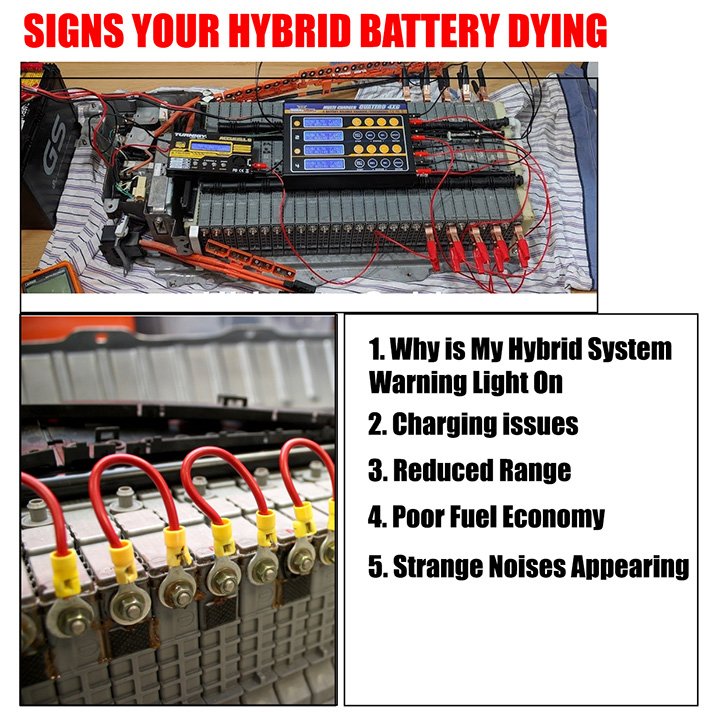
Understanding what causes hybrid battery capacity to decrease helps drivers make better maintenance choices. A hybrid battery does not suddenly lose all power in most cases. Instead, its ability to store and deliver energy slowly declines over years of use.
From working with automotive topics, one common pattern is that battery health depends on both the battery design and how the vehicle is used. A hybrid car driven in hot climates, heavy traffic, or with poor maintenance may show capacity loss sooner than a similar vehicle with careful care.

How Hybrid Battery Capacity Works and Why It Changes
A hybrid battery stores electrical energy that helps power the electric motor in a hybrid vehicle. It works together with the gasoline engine to improve fuel economy and reduce emissions.
Over time, the battery cells lose some ability to hold energy. This gradual decline is known as hybrid battery degradation. It affects how much power the battery can provide and how often the gasoline engine needs to run.
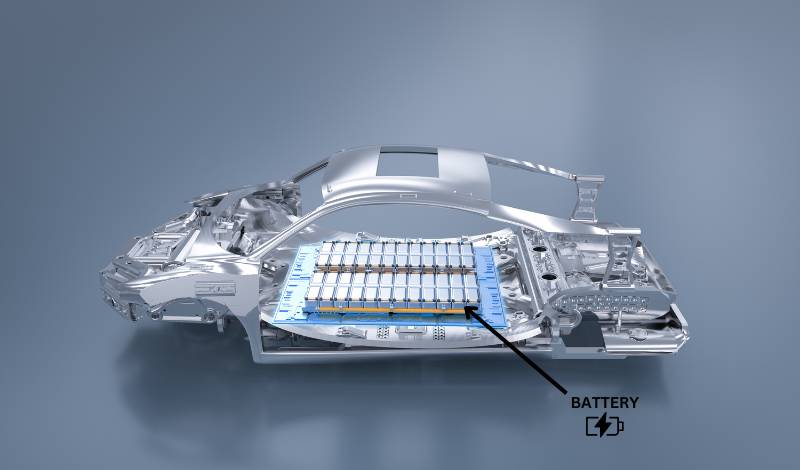
- ✦ Reduced energy storage
Older battery cells cannot store the same amount of electrical energy as new cells.
- ✦ Lower power output
A weakened battery may provide less electric assistance during acceleration.
Age and Natural Battery Cell Wear
The biggest reason what causes hybrid battery capacity to decrease is normal aging. Hybrid batteries contain many individual cells that experience chemical changes every time they charge and discharge.
After many years, the materials inside the cells become less efficient. The battery may still work, but it cannot store the same energy level it could when it was new.
- ✦ Chemical aging
Battery materials slowly lose their ability to move and store electrical energy.
- ✦ Repeated use
Thousands of charging cycles gradually reduce available battery capacity.
Why Mileage Is Not the Only Factor
Many drivers think mileage alone determines hybrid battery health. However, time, climate, and usage patterns also play major roles in battery aging.
- ✦ Vehicle age
An older hybrid may have reduced battery capacity even with lower mileage.
Heat Exposure and High Temperatures Damage Battery Performance
Heat is one of the main factors that explains what causes hybrid battery capacity to decrease faster. Hybrid batteries work best within a controlled temperature range.
In many parts of the United States, especially hot regions, high outdoor temperatures can increase battery stress. A weak cooling system can make the problem worse by allowing battery temperatures to rise.

- ✦ Battery overheating
High temperatures speed up chemical reactions that reduce battery life.
- ✦ Cooling fan problems
A dirty or damaged battery cooling fan can prevent proper airflow.
Frequent Charging and Discharging Cycles
Hybrid vehicles constantly charge and discharge their batteries while driving. This process is normal, but repeated cycles slowly reduce battery capacity.
City driving with frequent stops and starts can create more battery activity than steady highway driving. This does not mean city driving is harmful, but it increases battery workload over time.

- ✦ Regenerative braking cycles
Energy recovery during braking repeatedly charges the battery.
- ✦ Power demand changes
Acceleration and climbing require more battery assistance.
Long Periods of Vehicle Inactivity
Long storage periods can contribute to hybrid battery problems. When a hybrid vehicle sits unused for months, battery charge levels may drop and electrical systems may continue drawing power.
A vehicle parked for extended periods should be stored properly. Regular use helps the hybrid system maintain normal battery operation.

- ✦ Low charge conditions
Extended inactivity may leave the battery at an unhealthy charge level.
- ✦ Reduced battery balance
Inactive batteries may develop uneven performance between cells.
Poor Maintenance and Cooling System Issues
Maintenance plays an important role in preventing early hybrid battery capacity loss. A hybrid battery depends on proper airflow and temperature control.
Blocked vents, dirty cooling fans, and ignored warning signs can increase stress on battery cells. Simple inspections can help identify problems before they become expensive repairs.
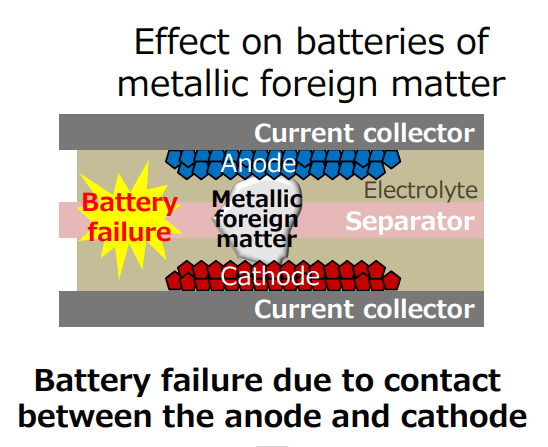
- ✦ Blocked battery vents
Restricted airflow can increase battery temperature.
- ✦ Ignored warning lights
Hybrid system warnings may indicate battery performance problems.
Driving Habits That Can Affect Hybrid Battery Life
Driving habits can influence what causes hybrid battery capacity to decrease. Aggressive acceleration, extreme driving conditions, and ignoring maintenance schedules may increase battery stress.
Most hybrid systems are designed to manage battery use automatically. Drivers can still support battery health by using smooth driving techniques and following manufacturer recommendations.
- ✦ Smooth acceleration
Gentle acceleration reduces sudden power demands on the battery.
- ✦ Regular vehicle use
Consistent driving helps maintain normal hybrid system operation.



