Many drivers notice a strange bubble on their tire and wonder what causes tire bulges. A tire bulge is a visible swelling on the sidewall or tread area that appears when the inner structure of the tire fails. The outer rubber may look normal, but the hidden layers inside may already be damaged.
From years of studying tire failures, one common pattern is clear: most bulges happen after a strong impact. In the United States, potholes, damaged roads, curbs, and road debris are frequent causes because they can crush the tire against the wheel and break internal cords.

What Is a Tire Bulge?
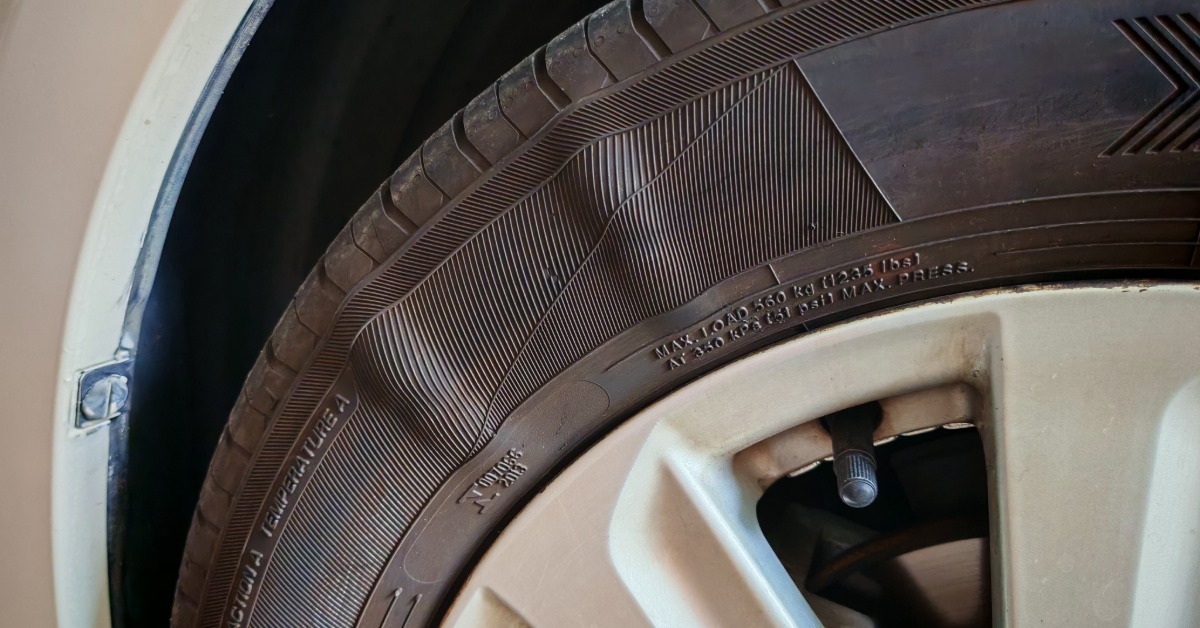
A tire bulge is a raised bubble that appears on the surface of a tire. It most often appears on the sidewall, but it can also develop on the tread area. The bulge forms when the strong cords inside the tire separate or break, allowing air pressure to push the rubber outward.
A tire is built with several layers that work together. The rubber protects the tire, while internal cords provide strength and shape. When these cords fail, the tire loses its ability to hold pressure evenly.
- ✦ Sidewall bulge
A bubble on the sidewall is usually the most serious type because this area flexes heavily while driving.
- ✦ Tread bulge
A raised area on the tread can indicate internal separation and may affect vehicle control.
The Main Causes of Tire Bulges
Understanding what causes tire bulges helps drivers prevent expensive damage and dangerous failures. Most tire bulges are linked to physical damage rather than normal tire wear.
A tire can look fine from the outside after an impact, but the internal structure may weaken. This hidden damage can slowly develop into a visible bulge.

- ✦ Hitting potholes
A hard impact with a pothole can pinch the tire between the road and wheel, damaging internal cords.
- ✦ Striking curbs
Driving into curbs at speed can create sidewall stress and cause internal separation.
- ✦ Road debris impacts
Sharp objects or large debris can damage tire layers and weaken the structure.
- ✦ Incorrect tire pressure
Underinflated tires flex too much, while overinflated tires become more vulnerable to impact damage.
How Impact Damage Creates a Bulge
When a tire hits a hard object, the rubber may absorb the first part of the force. However, the internal cords may stretch, snap, or separate. Once those cords fail, air pressure pushes outward and creates a bubble.
Why Tire Sidewall Bulges Are Dangerous
A tire sidewall bulge is dangerous because the damaged area has lost structural strength. The sidewall handles major stress during turning, braking, and highway driving.
If the damaged cords fail completely, the tire may experience a sudden blowout. This risk increases at high speeds because heat and pressure place more stress on the weakened area.

- ✦ Risk of sudden tire failure
A weakened tire may lose air quickly without much warning.
- ✦ Reduced handling control
A damaged tire can affect steering response and vehicle stability.
- ✦ Unsafe highway driving
High speeds create more heat and pressure, increasing failure risk.
Can a Tire Bulge Be Repaired?
Many drivers ask if a tire bulge can be fixed. In most cases, the answer is no. A bulge means the internal structure has been damaged, and patching the outside does not restore the tire’s strength.
Professional tire technicians usually recommend replacing a tire with a visible bulge. Repair methods may temporarily hide the problem but cannot rebuild broken internal cords.

- ✦ Avoid DIY repairs
Glue, patches, or external fixes cannot safely repair internal structural damage.
- ✦ Replace damaged tires
A replacement tire is the safest solution when internal separation occurs.
When to Replace a Tire Immediately
Replace a tire immediately if you notice a growing bubble, air loss, vibration, or unusual handling. Driving on a damaged tire can increase the chance of failure.
How to Prevent Tire Bulges
Preventing tire bulges starts with good driving habits and regular inspections. Small actions can protect your tires from hidden damage and extend their useful life.
Drivers in the U.S. often face potholes, construction zones, and uneven roads. Checking tires after strong impacts can help find problems before they become dangerous.
- ✦ Maintain correct tire pressure
Check tire pressure regularly and follow the vehicle manufacturer’s recommended PSI.
- ✦ Inspect after impacts
Look for swelling, cracks, or unusual shapes after hitting potholes or curbs.
- ✦ Rotate tires regularly
Proper rotation helps tires wear evenly and reduces stress.
- ✦ Avoid overloaded vehicles
Extra weight increases stress on tires and may contribute to damage.
Signs Your Tire May Have a Bulge
Knowing the warning signs can help drivers find tire damage early. A quick visual check can reveal many problems before they become serious.
Inspect your tires when they are parked on a flat surface. Look closely at the sidewalls and tread areas for unusual bumps or changes in shape.

- ✦ Visible bubble
A round swelling on the tire surface is the most obvious sign.
- ✦ Steering vibration
A damaged tire may create shaking or uneven driving.
- ✦ Loss of air pressure
Internal damage can cause slow leaks or sudden pressure loss.