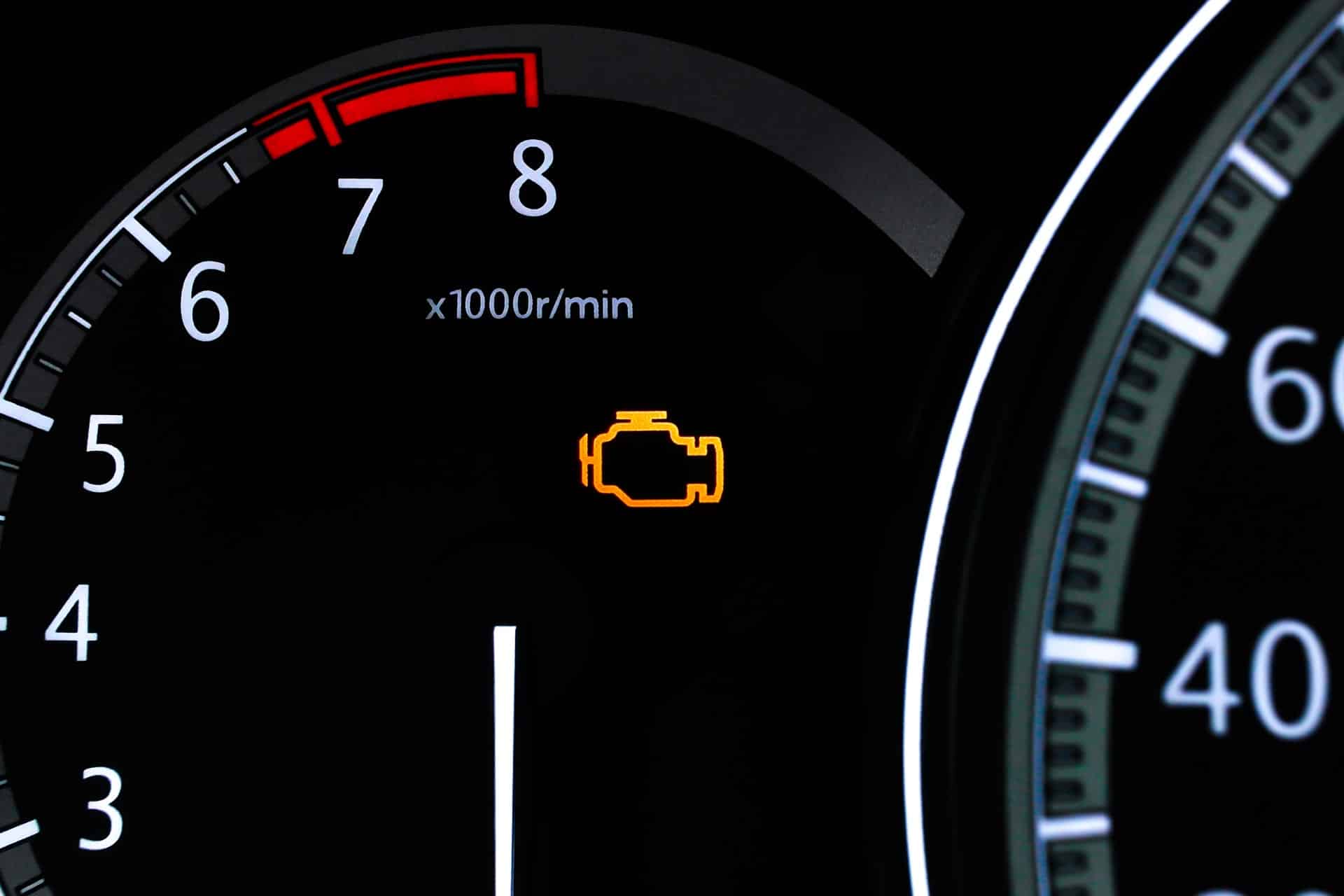
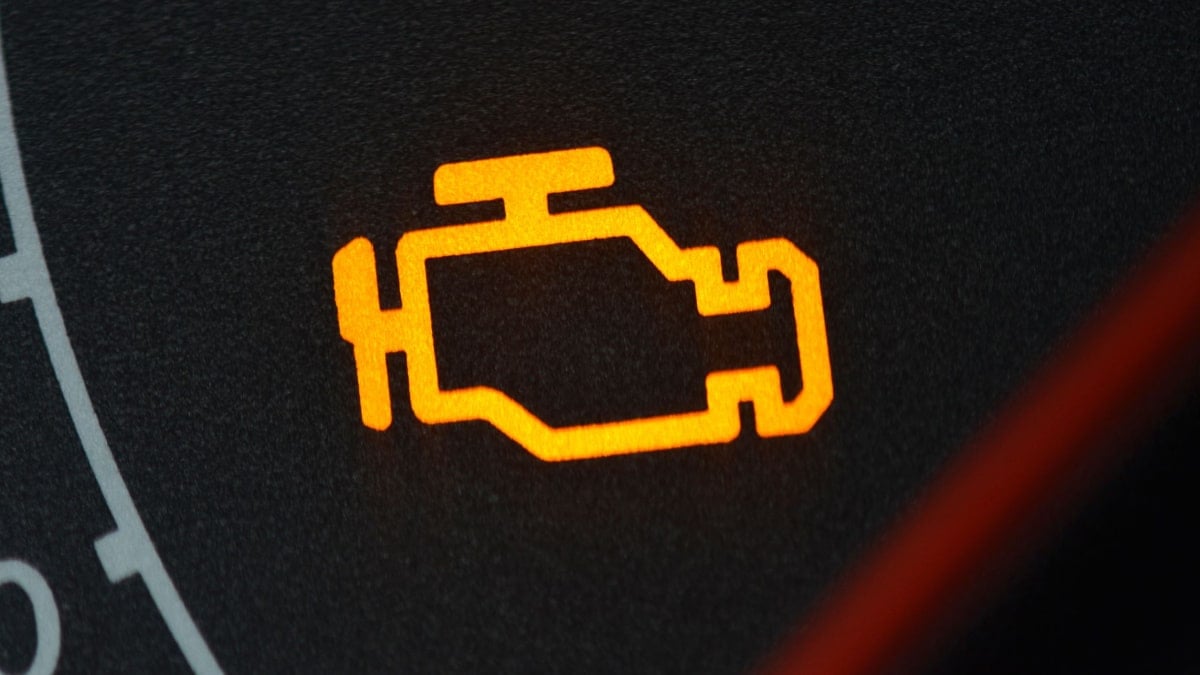
When drivers ask, What Does a Check Engine Light Mean, they usually want to know if their car is safe to drive. In most cases, the light means the onboard computer found an issue with the engine, fuel system, ignition system, or emissions controls. It does not always mean your engine is about to fail, but it should never be ignored.
From my experience studying vehicle problems, many drivers wait too long because their car still feels normal. Modern vehicles can hide small issues until they become larger repairs. A simple warning light today may become a costly repair later if the root cause stays unresolved.
What Does a Check Engine Light Mean in Your Vehicle?
A check engine light is part of your vehicle’s onboard diagnostic system. In the United States, most cars and trucks built after 1996 use the OBD2 system to monitor engine performance and emissions.
The warning appears when sensors detect a value outside the expected range. The computer stores a diagnostic trouble code that helps technicians find the possible source of the problem.
The light can point to many different issues. It may involve a loose gas cap, faulty sensor, ignition problem, fuel issue, or a problem that affects how your engine runs.
- ✦ Engine System Monitoring
The vehicle computer checks important systems such as fuel delivery, ignition, exhaust, and emissions controls.
- ✦ Stored Diagnostic Codes
The computer saves error codes that mechanics use during diagnosis.
- ✦ Warning Before Failure
The light often appears before a small problem creates major engine damage.
Why Your Car Uses Warning Lights
Modern vehicles use many sensors to keep engines efficient and clean. The check engine light gives drivers early notice when something does not work as expected.
This warning system helps reduce emissions and protects important engine parts from unnecessary wear.
Common Reasons Your Check Engine Light Comes On
There are many reasons why a check engine light may appear. Some causes are simple fixes, while others require professional repair.
Understanding common causes helps you decide how quickly you need to take action.
- ✦ Loose or Damaged Gas Cap
A loose gas cap can allow fuel vapors to escape and trigger an emissions warning.
- ✦ Faulty Oxygen Sensor
A bad oxygen sensor can reduce fuel efficiency and affect engine performance.
- ✦ Bad Spark Plugs or Ignition Coils
Worn ignition parts can cause misfires, rough running, and reduced power.
- ✦ Catalytic Converter Problems
A damaged catalytic converter can affect emissions and may lead to expensive repairs.
Small Problems That Trigger the Light
Not every check engine light means a major repair. A loose fuel cap, minor sensor issue, or temporary computer error can sometimes activate the warning.
However, the only way to know the cause is to check the diagnostic code and inspect the vehicle.
What Is the Difference Between a Solid and Flashing Check Engine Light?
The behavior of the check engine light matters. A steady light and a flashing light usually point to different levels of concern.
A solid light often means the vehicle detected a problem but can still operate. A flashing light usually indicates a serious issue that may damage the engine or catalytic converter.

- ✦ Solid Check Engine Light
A steady light often means you should schedule a diagnosis soon, especially if you notice performance changes.
- ✦ Flashing Check Engine Light
A flashing warning may indicate an active misfire and should be treated as urgent.
- ✦ Other Warning Signs
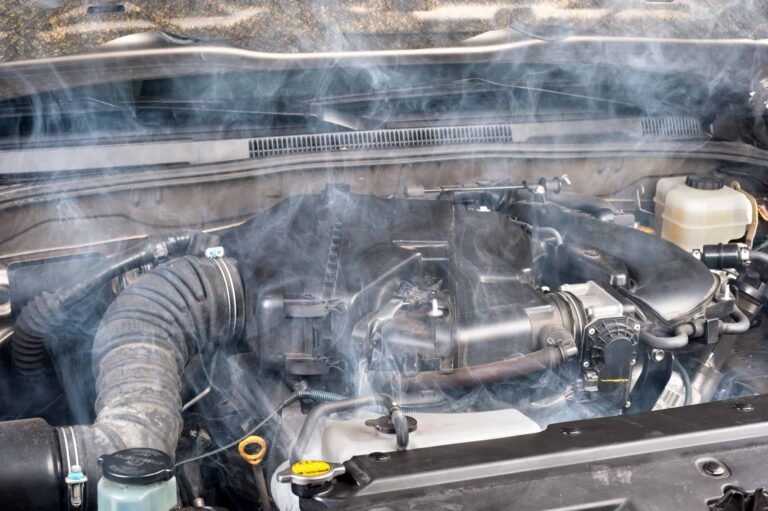
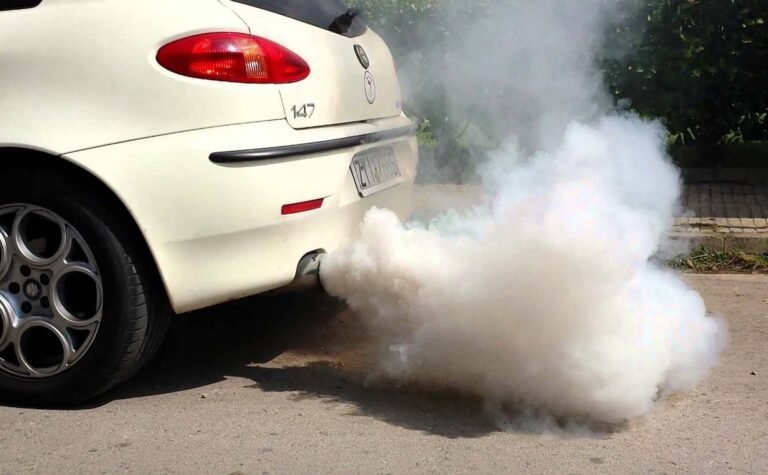
Loss of power, strange noises, shaking, smoke, or burning smells require immediate attention.
Can You Drive With the Check Engine Light On?
Many drivers wonder if they can continue driving after the light appears. The answer depends on how the vehicle behaves and whether the light is steady or flashing.
If the car runs normally and the light stays solid, you may be able to drive a short distance while arranging a diagnosis. Avoid delaying service for weeks or months.
If the light flashes or the vehicle runs poorly, stop driving when it is safe and seek professional help.
- ✦ Check Vehicle Behavior
Pay attention to shaking, poor acceleration, unusual sounds, or changes in fuel use.
- ✦ Avoid Heavy Driving
Do not tow heavy loads or drive aggressively when the warning appears.
What Drivers Should Check First
Start with simple checks. Make sure your gas cap is tight and look for any obvious signs of trouble.
Then use an OBD2 scanner or visit a repair shop for a proper diagnosis.
How Mechanics Diagnose a Check Engine Light
A mechanic does not repair a check engine light itself. The light is only a warning. The real job is finding the cause behind the warning.
Technicians connect a diagnostic scanner to the OBD2 port to read stored trouble codes. They then test related parts before recommending repairs.
A good diagnosis prevents unnecessary part replacements and saves money over time.

- ✦ Scan Diagnostic Codes
The scanner reads codes stored by the vehicle computer.
- ✦ Inspect Related Components
Technicians test sensors, wiring, and mechanical parts connected to the code.
- ✦ Confirm the Repair
After fixing the issue, the system is checked to make sure the problem is resolved.
How to Prevent Check Engine Light Problems
Regular maintenance is one of the best ways to reduce check engine light issues. Many engine problems develop slowly because small maintenance tasks are skipped.
Following your vehicle manufacturer’s service schedule can help your engine run smoothly and reduce unexpected repairs.
- ✦ Change Fluids on Schedule
Clean oil and proper fluids help protect engine parts.
- ✦ Replace Worn Parts
Old spark plugs, filters, and damaged components can affect engine performance.
- ✦ Respond Early
Address warning lights quickly before small problems become expensive repairs.