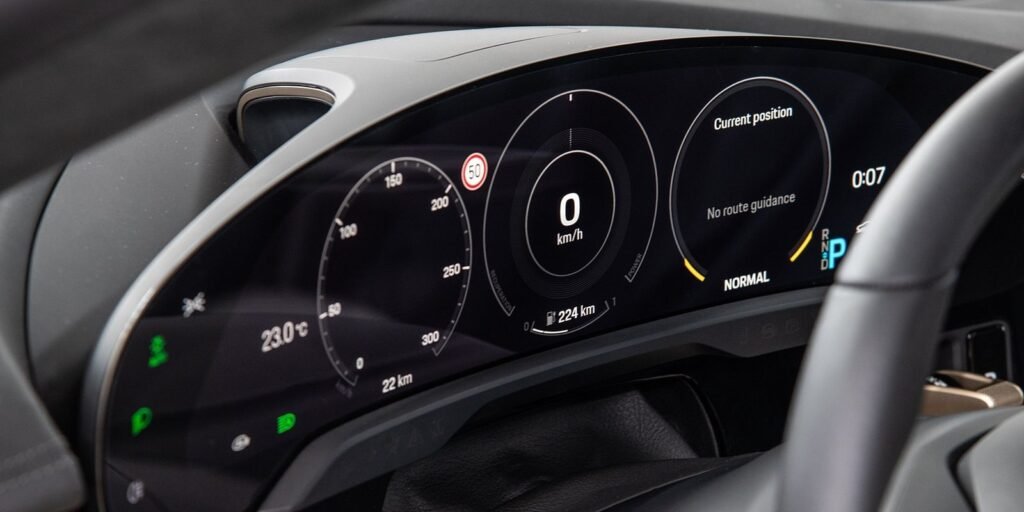
When drivers ask what is a digital instrument cluster, they are usually asking about the modern screen behind the steering wheel that replaces old mechanical gauges. Instead of a fixed speedometer and tachometer, a digital cluster uses a display panel to show driving data in different layouts.
From my experience studying modern vehicle technology, digital instrument clusters have become one of the biggest changes in automotive interiors. They connect with navigation, safety systems, and vehicle computers to provide drivers with clearer and more useful information during everyday driving in the United States.
What Is a Digital Instrument Cluster and How Does It Work?
A digital instrument cluster is an electronic display system placed behind the steering wheel. It presents information that drivers need while operating a vehicle. The screen replaces or supports traditional gauges by using digital graphics instead of physical needles.
The system receives data from the vehicle control units and sensors. It can display speed, engine temperature, fuel level, battery charge, navigation directions, warnings, and driver assistance information in real time.

- ✦ Electronic Display Panel
The cluster uses an LCD, LED, or OLED screen to create digital versions of gauges and vehicle information.
- ✦ Vehicle Data Connection
The display communicates with the car’s computer systems to show accurate information from different sensors.
- ✦ Custom User Interface
Drivers can often change layouts, colors, and displayed information based on their preferences.
Main Components of a Digital Instrument Cluster
A digital instrument cluster contains several electronic parts that work together. These include a display screen, processor, graphics controller, communication modules, and software that manages the interface.
The software plays a major role because it controls how information appears. This allows manufacturers to update designs and add new features without changing the physical dashboard.
- ✦ Display Screen
Shows driving information through digital graphics and visual indicators.
- ✦ Processing Unit
Handles data and controls the speed and performance of the display.
How Is a Digital Instrument Cluster Different From Traditional Gauges?
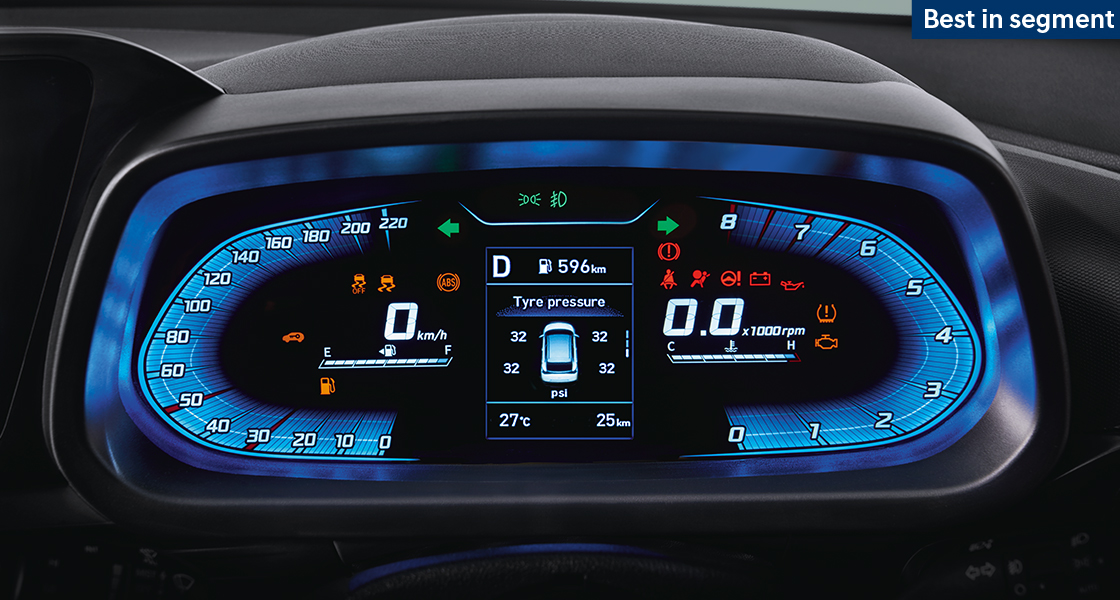
Traditional instrument clusters use physical gauges with mechanical needles and fixed designs. They show basic information such as speed, fuel level, and engine temperature but offer limited customization.
A digital instrument cluster works more like a small computer screen. It can change the information layout depending on driving mode, vehicle settings, or driver needs.

- ✦ Traditional Gauge Cluster
Uses physical dials and needles with limited display options.
- ✦ Digital Gauge Cluster
Uses software-based graphics with flexible layouts and advanced information displays.
- ✦ Semi-Digital Cluster
Combines physical gauges with a small digital screen for additional information.
Why Automakers Are Moving Toward Digital Displays
Vehicle technology has changed quickly, and drivers now expect connected features. Digital clusters help automakers combine entertainment, safety, and driving information into one place.
They also allow brands to create unique interior designs while reducing the need for multiple physical components.
- ✦ More Information
Drivers can view navigation, alerts, and vehicle settings without looking at separate screens.
Key Features of a Modern Digital Instrument Cluster
Modern digital instrument clusters offer many features beyond displaying speed and fuel information. They act as a central information hub that helps drivers understand vehicle status quickly.
Many newer cars in the US market include advanced displays that work with smartphone systems, navigation tools, and driver assistance technology.

- ✦ Navigation Display
Shows turn-by-turn directions directly in front of the driver.
- ✦ Driver Assistance Information
Displays alerts from systems such as adaptive cruise control and lane assistance.
- ✦ Drive Mode Changes
Adjusts the display design based on comfort, sport, or eco driving modes.
- ✦ Vehicle Health Monitoring
Shows warnings and maintenance information from vehicle systems.
Integration With Electric Vehicles
Electric vehicles rely heavily on digital displays because they need to show battery range, charging information, and energy usage. A digital instrument cluster helps EV drivers understand their vehicle’s performance.
As electric vehicles become more common in America, digital clusters are becoming a standard feature rather than an expensive option.
- ✦ Battery Information
Shows remaining charge percentage and estimated driving range.
Benefits of a Digital Instrument Cluster
A digital instrument cluster improves the driving experience by making information easier to view and customize. It helps drivers focus on important details without searching through multiple displays.
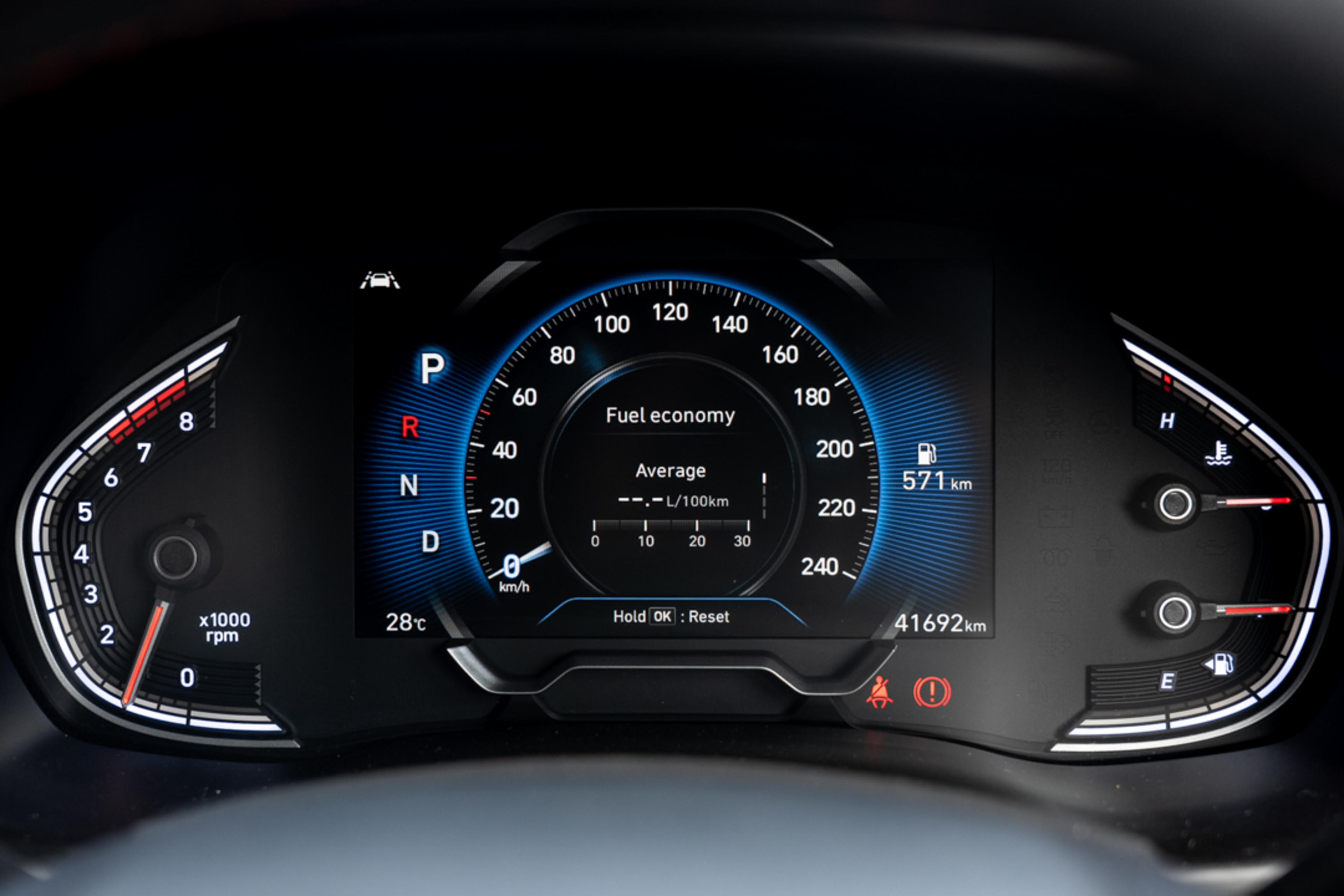
The biggest advantage is flexibility. Manufacturers can design different layouts for different drivers, vehicles, and driving situations.
- ✦ Better Customization
Drivers can choose layouts that match their needs and preferences.
- ✦ Improved Visibility
Important information can appear in larger and clearer formats.
- ✦ Advanced Connectivity
The cluster can connect with navigation, smartphones, and safety systems.
- ✦ Future Software Updates
Manufacturers can improve features through software updates.
Safety Advantages
Digital clusters can reduce distractions by placing useful information directly in the driver’s view. Navigation arrows, warnings, and speed information can appear without requiring drivers to look away.
Some vehicles also use digital displays to highlight important safety alerts with visual signals.
- ✦ Reduced Distraction
Drivers can access key information without checking multiple areas of the dashboard.
Limitations and Problems With Digital Instrument Clusters
Although digital instrument clusters provide many advantages, they also have some disadvantages. Because they depend on electronic hardware and software, repairs can be more complex than traditional gauges.
A damaged display, software issue, or electronic failure may require specialized service. Repair costs can also be higher because the system contains advanced components.

- ✦ Higher Repair Costs
Replacing digital screens and electronic modules can be expensive.
- ✦ Software Problems
Electronic bugs may affect display performance or features.
- ✦ Driver Adjustment
Some drivers prefer simple physical gauges because they feel familiar.
Are Digital Instrument Clusters Reliable?
Modern digital instrument clusters are designed to last for many years. Automakers test them for heat, vibration, and long-term use.
Reliability depends on the vehicle brand, component quality, and proper maintenance of the vehicle’s electrical system.
- ✦ Regular Vehicle Care
Maintaining the electrical system helps prevent many electronic issues.
The Future of Digital Instrument Clusters in Cars
The future of digital instrument clusters will focus on smarter displays, better connectivity, and more personalized driving experiences. Automakers are developing systems that combine artificial intelligence, augmented reality, and real-time vehicle data.
In the coming years, digital dashboards may become even more important as vehicles become more connected and automated.
- ✦ Augmented Reality Displays
Future systems may project navigation and safety information directly into the driver’s view.
- ✦ Artificial Intelligence Features
AI may personalize displays based on driving habits and preferences.