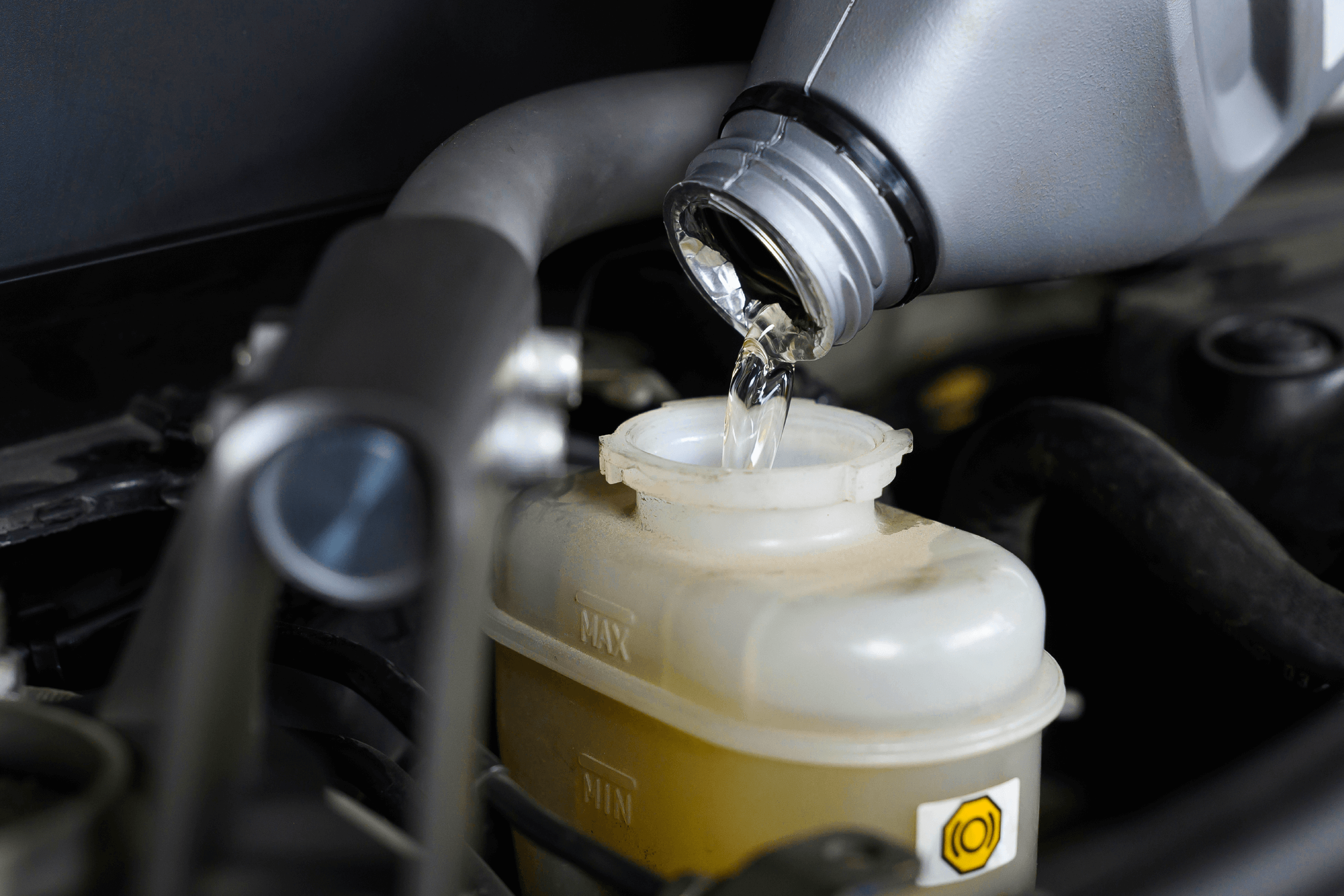
When drivers ask, What Is Brake Fluid and What Does It Do, they are usually asking about one of the most important fluids in their vehicle. Brake fluid does not lubricate parts like engine oil. Instead, it moves pressure through the brake system so your vehicle can slow down and stop.
From my experience learning about vehicle maintenance, I have seen many drivers check engine oil and coolant but forget about brake fluid. In the United States, where many people drive daily on highways, city roads, and busy commutes, healthy brake fluid plays a key role in safe driving.
What Is Brake Fluid and What Does It Do in a Vehicle?
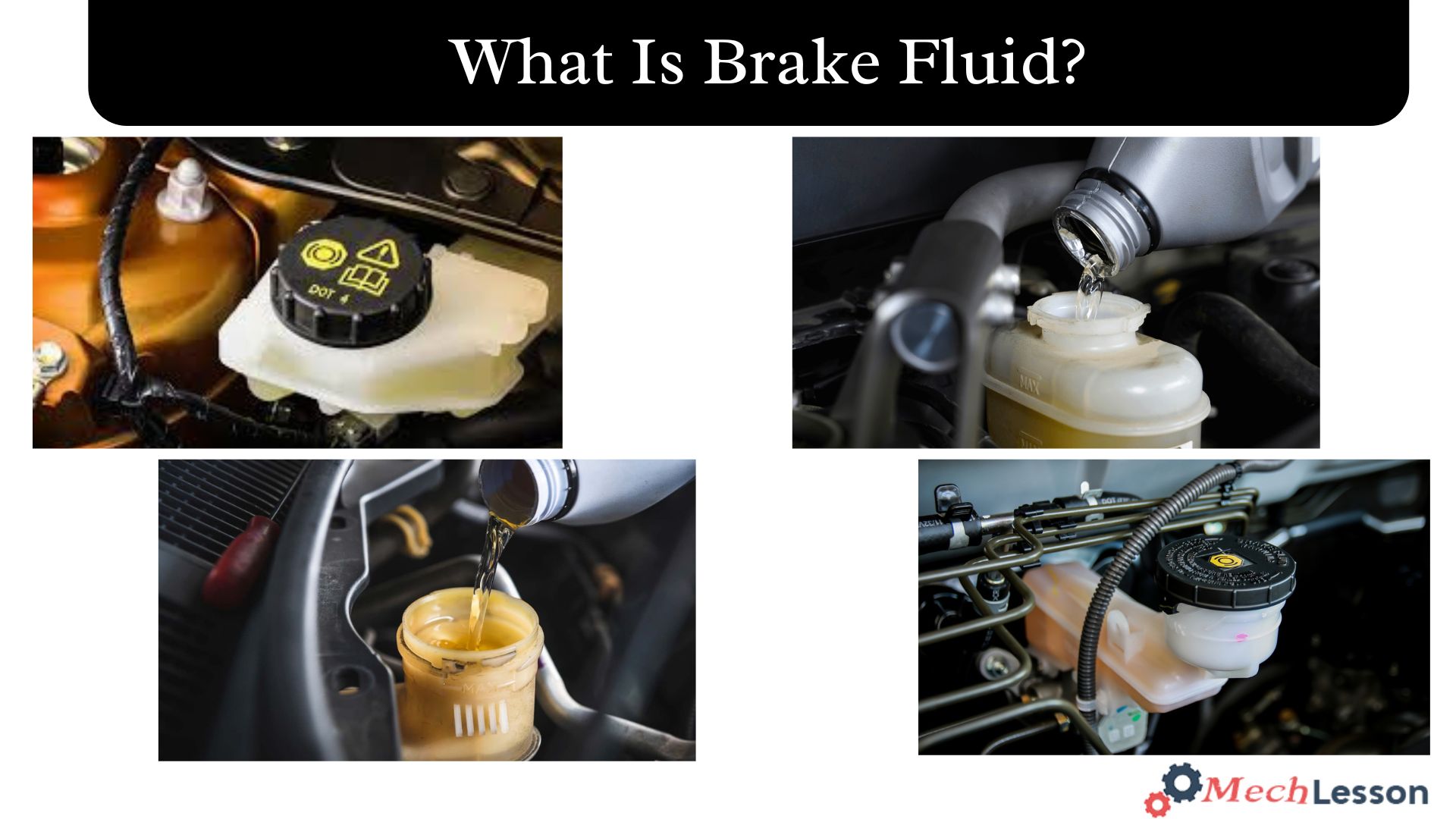
Brake fluid is a chemical fluid used inside a vehicle’s hydraulic braking system. When you press the brake pedal, brake fluid carries that force through the brake lines to the brake components at each wheel.
The main job of brake fluid is to transfer pressure. Without it, your brake pedal would not create enough force to activate the brakes properly.
Brake fluid must handle extreme heat because braking creates friction. A good brake fluid stays stable under high temperatures and helps maintain reliable stopping performance.
- ✦ Transfers brake pressure
Brake fluid moves pressure from the pedal to the calipers or wheel cylinders so the brakes can work.
- ✦ Handles high heat
Brake fluid is designed to resist boiling during heavy braking conditions.
- ✦ Protects brake parts
Quality brake fluid helps prevent corrosion inside the braking system.
How Hydraulic Braking Works
Modern vehicles use hydraulic pressure to stop. When you push the brake pedal, a part called the master cylinder pushes brake fluid through the brake lines.
The fluid reaches the brake calipers, which squeeze brake pads against the brake rotors. This creates friction that slows the wheels.
Why Is Brake Fluid Important for Safe Driving?
Brake fluid is one of the most important safety fluids in your vehicle. A braking system can have excellent brake pads and rotors, but it still depends on clean and reliable fluid.
When brake fluid becomes old, it can absorb moisture from the air. This can lower its boiling point and reduce braking performance during hard stops.
A vehicle with poor brake fluid may still feel normal during light driving. Problems often appear during emergency braking or long downhill drives.
- ✦ Improves braking response
Fresh brake fluid helps maintain strong and consistent brake pedal pressure.
- ✦ Reduces safety risks
Proper brake fluid maintenance helps prevent brake system failures caused by contamination.
Different Types of Brake Fluid Explained
Brake fluid comes in different types, and each vehicle requires a specific formula. The most common types are identified by DOT ratings, which describe performance standards.
Using the wrong brake fluid can damage seals or reduce braking performance. Always check your vehicle owner’s manual before adding or replacing brake fluid.

- ✦ DOT 3 brake fluid
DOT 3 is common in many everyday vehicles and uses a glycol-based formula.
- ✦ DOT 4 brake fluid
DOT 4 has a higher boiling point and is often used in newer vehicles.
- ✦ DOT 5 brake fluid
DOT 5 is silicone-based and is not interchangeable with most glycol-based fluids.
Can Different Brake Fluids Be Mixed?
Some brake fluids can mix, while others cannot. DOT 3 and DOT 4 fluids are generally compatible in many applications, but DOT 5 silicone fluid is different.
The safest choice is always following the manufacturer’s recommendation for your exact vehicle.
Signs Your Vehicle Needs Brake Fluid Replacement
Brake fluid does not last forever. Over time, it collects moisture and contaminants that can affect the braking system.
Many drivers notice brake problems only after the fluid has already degraded. Regular inspections help catch issues before they become serious.

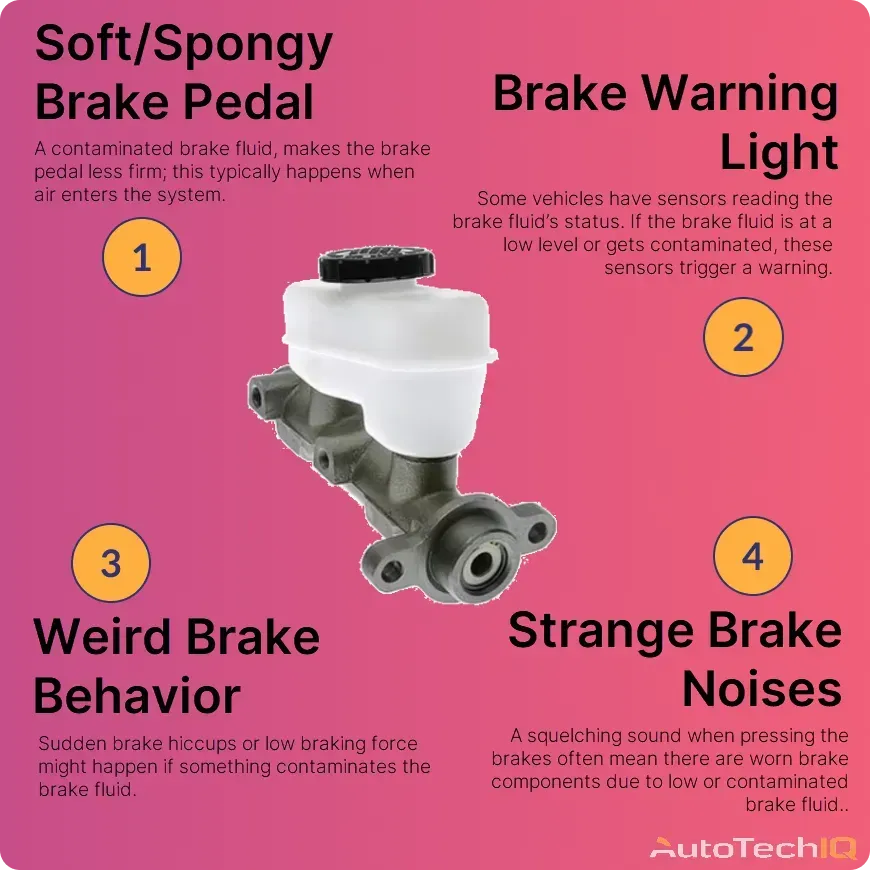
- ✦ Soft brake pedal
A pedal that feels soft or sinks lower than normal may indicate air or moisture in the brake system.
- ✦ Dark or dirty fluid
Fresh brake fluid is usually clear or light in color. Dark fluid may need replacement.
- ✦ Reduced braking performance
Longer stopping distance or weak brake response can be a warning sign.
- ✦ Brake warning light
Some vehicles use dashboard warnings when brake system problems appear.
How Often Should You Change Brake Fluid?
The right brake fluid replacement schedule depends on your vehicle, driving habits, and manufacturer recommendations. Many vehicles need a brake fluid change every few years, but the exact timing varies.
Drivers who tow heavy loads, drive in mountains, or experience frequent stop-and-go traffic may need more frequent checks.
Checking brake fluid during regular service visits is a simple way to protect your braking system.

- ✦ Follow your owner’s manual
Vehicle manufacturers provide the best replacement schedule for each model.
- ✦ Consider driving conditions
Heavy use can shorten brake fluid service intervals.
How to Check Brake Fluid Level
Most vehicles have a brake fluid reservoir near the engine bay. You can check the fluid level by looking at the markings on the reservoir.
Do not open the reservoir unnecessarily because moisture and dirt can enter the system.
Common Brake Fluid Problems and Maintenance Tips
Brake fluid problems often happen slowly. A vehicle may continue to drive normally while the fluid quality decreases.
Simple maintenance habits can help keep your braking system working correctly and reduce repair costs.

- ✦ Avoid contamination
Keep dirt, water, and other fluids away from the brake fluid reservoir.
- ✦ Use the correct fluid
Always use the brake fluid type recommended for your vehicle.
- ✦ Inspect during service
Ask a trusted mechanic to check brake fluid condition during routine maintenance.