Understanding what is caster on a car helps drivers understand why some vehicles feel stable on highways while others feel difficult to control. Caster is one part of wheel alignment, along with camber and toe, and it plays a major role in how the front wheels react during driving.
From my experience studying vehicle suspension systems, caster is often overlooked because drivers usually focus on tire pressure or wheel balance. However, the correct caster angle can make a major difference in straight-line tracking, cornering confidence, and steering response, especially on American highways and city roads.
What Is Caster on a Car and How Does It Work?
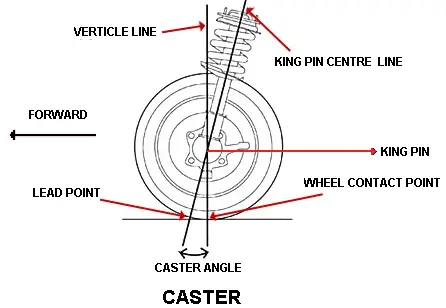
What is caster on a car? Caster is the forward or backward tilt of the steering axis when viewed from the side of the vehicle. The steering axis is the imaginary line that connects the upper and lower steering pivot points.
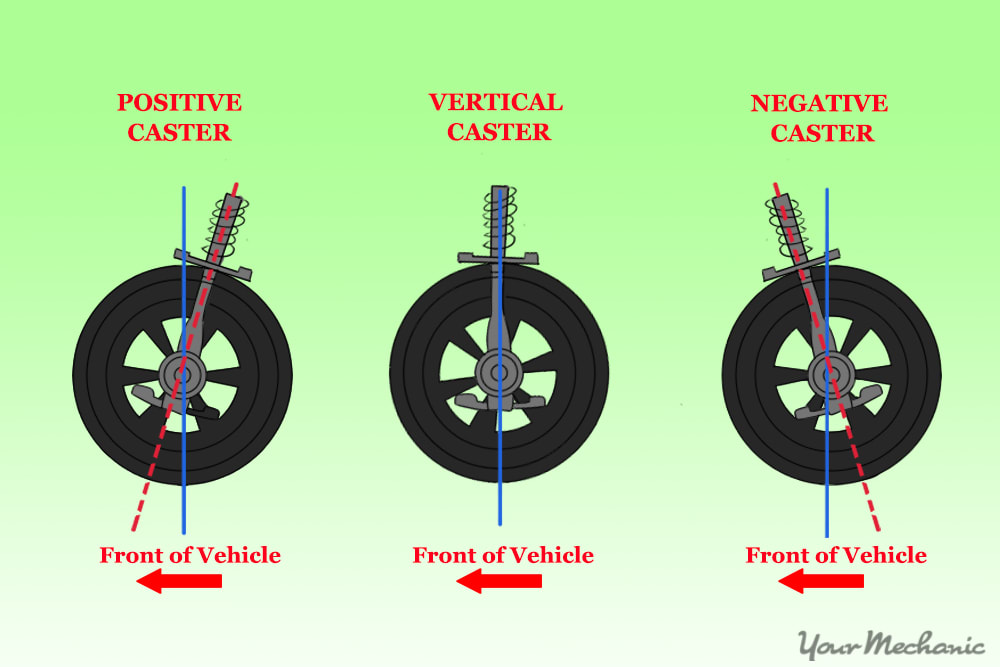
When this axis tilts backward at the top, the vehicle has positive caster. When it tilts forward, the vehicle has negative caster. Most modern cars use positive caster because it improves stability and steering control.

- ✦ Positive caster
The top of the steering axis tilts toward the rear of the vehicle. It helps the wheels return to center after turning.
- ✦ Negative caster
The top of the steering axis tilts toward the front of the vehicle. It can reduce stability and is rarely used in modern passenger vehicles.
- ✦ Zero caster
The steering axis stays nearly vertical. It creates lighter steering but reduces self-centering ability.
Why Is Caster Important in Vehicle Handling?
Caster affects how a car feels when you hold the steering wheel. A properly adjusted caster angle helps the vehicle move straight without constant driver corrections.
When engineers design suspension systems, they use caster to balance steering effort, stability, and handling. This is why trucks, sports cars, and family sedans may have different caster settings based on their intended use.
- ✦ Improves straight-line stability
Positive caster helps the front wheels stay aligned with the direction of travel.
- ✦ Creates steering return
Caster creates a natural force that helps the steering wheel move back toward the center after a turn.
- ✦ Enhances cornering control
Proper caster improves driver confidence during highway curves and quick direction changes.
How Caster Affects Steering Feel
Drivers often notice caster problems through steering feel. Too little caster can make the steering feel loose, while higher caster usually creates a heavier and more controlled steering response.
- ✦ Light steering
Lower caster angles reduce steering effort but may reduce stability.
- ✦ Firm steering
Higher caster angles provide stronger self-centering and better road feedback.
Positive Caster vs Negative Caster: What Is the Difference?
Positive and negative caster describe the direction of the steering axis tilt. The difference changes how the vehicle reacts during driving.
Most passenger vehicles sold in the United States use positive caster because it provides safer and more predictable handling. Race vehicles and specialty applications may adjust caster based on performance goals.

- ✦ Positive caster benefits
Provides better highway stability, improved steering return, and stronger cornering control.
- ✦ Negative caster effects
Can make the vehicle wander and reduce steering stability.
How Caster Fits Into Wheel Alignment
Caster is one of three main wheel alignment measurements. The other two are camber and toe. Together, these settings control how tires contact the road and how the vehicle responds.
A wheel alignment service checks caster using specialized alignment equipment. Many modern alignment machines measure caster automatically by tracking wheel movement during steering.

- ✦ Caster
Controls steering axis angle and affects stability.
- ✦ Camber
Controls the inward or outward tilt of the tire when viewed from the front.
- ✦ Toe
Controls whether tires point slightly inward or outward when viewed from above.
Signs of Incorrect Caster Angle on a Car
A wrong caster angle can change the way your vehicle feels on the road. Unlike tire pressure issues, caster problems are usually related to suspension parts, alignment settings, or accident damage.
If you notice unusual steering behavior, a professional alignment inspection can confirm whether caster is outside manufacturer specifications.

- ✦ Vehicle pulls to one side
Unequal caster between the left and right wheels can cause the car to drift.
- ✦ Steering wheel does not return
Low caster can reduce the natural return force after turning.
- ✦ Poor highway stability
Incorrect caster can make the vehicle feel nervous at higher speeds.
Can Caster Angle Be Adjusted on Every Car?
Not every vehicle allows easy caster adjustment. Many modern cars have fixed suspension designs where caster changes only happen through replacement parts or special adjustment kits.
Trucks and performance vehicles often provide more caster adjustment options because drivers may need different handling characteristics for towing, off-road use, or racing.
- ✦ Factory alignment settings
Manufacturers provide recommended caster ranges for safety and performance.
- ✦ Suspension modifications
Aftermarket parts can change caster for specific driving needs.