When people ask, What Is Laminated Automotive Glass, they are usually asking about the technology behind modern windshields. In the United States, nearly every passenger vehicle uses laminated glass for the front windshield because it offers better protection than traditional glass designs.
From my experience studying automotive materials and vehicle safety systems, laminated glass is one of the most important but often overlooked parts of a car. It does more than provide visibility. It helps protect passengers, improves comfort, and supports advanced driver assistance features found in newer vehicles.
What Is Laminated Automotive Glass and How Does It Work?
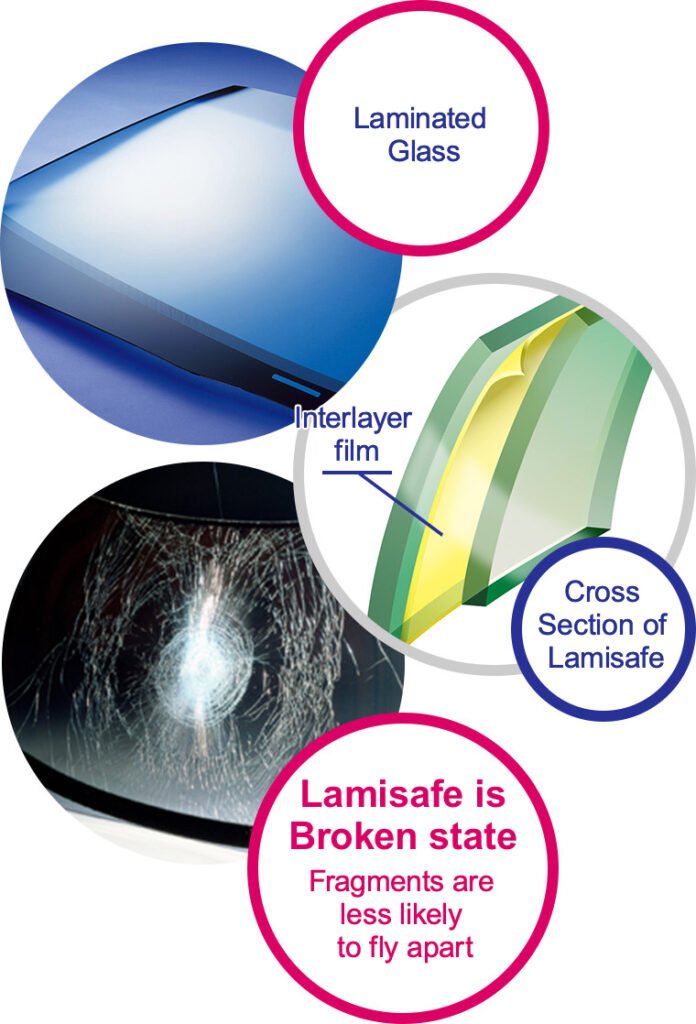
What Is Laminated Automotive Glass? It is a type of safety glass designed with multiple layers. It contains two sheets of glass with a thin plastic layer placed between them. The layers are bonded together using heat and pressure during manufacturing.
The middle layer is usually made from polyvinyl butyral, also called PVB. This flexible material keeps the glass connected if it breaks. Instead of falling apart into sharp pieces, the glass usually stays attached to the plastic layer.

- ✦ Outer glass layer
The outside glass layer protects against road debris, weather, and daily driving impacts.
- ✦ PVB interlayer
The plastic layer holds broken glass together and adds strength to the windshield structure.
- ✦ Inner glass layer
The inside glass layer provides additional support and helps maintain cabin safety.
Why the PVB Layer Matters
The PVB layer is the main reason laminated automotive glass performs differently from regular glass. It absorbs impact energy and reduces the chance of glass pieces entering the cabin during an accident.
- ✦ Safety improvement
The interlayer helps prevent dangerous glass fragments from spreading after damage.
Why Do Cars Use Laminated Glass for Windshields?
Automakers use laminated automotive glass for windshields because the windshield is part of the vehicle safety system. It helps support the roof structure during some rollover events and keeps passengers protected from outside objects.
A windshield must provide clear vision while also handling impacts from rocks, debris, and collisions. Laminated glass balances visibility, strength, and safety in one component.

- ✦ Crash protection
Laminated glass helps reduce injuries by keeping broken glass attached instead of allowing sharp pieces to fly.
- ✦ Structural support
A properly installed windshield contributes to overall vehicle body strength.
- ✦ Better visibility
The layered design maintains optical clarity for safer driving.
Laminated Glass and Modern Vehicle Safety Features
Many modern vehicles use cameras and sensors mounted near the windshield. The quality and stability of laminated glass help these systems work correctly when the glass is properly installed and calibrated.
Benefits of Laminated Automotive Glass
Understanding What Is Laminated Automotive Glass also means understanding why manufacturers choose it. The design provides several benefits beyond basic protection.
Drivers in the U.S. experience these benefits every day, from quieter highway trips to safer windshield performance during unexpected road hazards.

- ✦ Noise reduction
The plastic layer helps reduce outside sounds such as wind noise, traffic noise, and road vibration.
- ✦ UV protection
Many laminated glass designs block a significant amount of ultraviolet radiation that can damage interiors and skin.
- ✦ Improved comfort
A quieter cabin creates a more comfortable driving experience during daily commuting and long trips.
Laminated Automotive Glass vs Tempered Glass
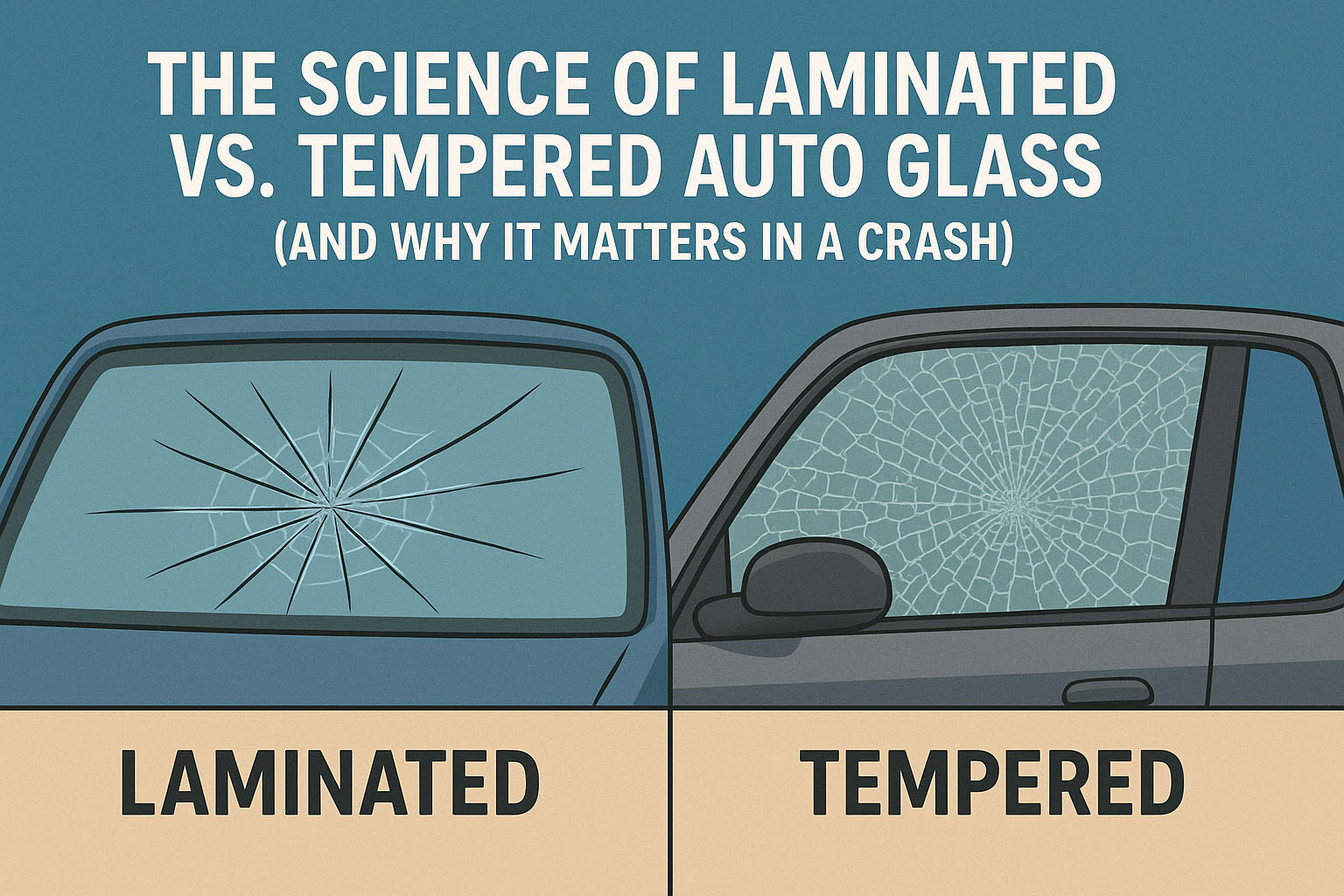
Many people confuse laminated and tempered glass because both are used in vehicles. However, they are designed for different purposes.
Laminated glass focuses on staying together after impact, while tempered glass is designed to break into small pieces when damaged. Side and rear windows often use tempered glass, while windshields usually use laminated glass.

- ✦ Laminated glass
Uses multiple layers and a plastic interlayer to improve safety and reduce shattering.
- ✦ Tempered glass
Heat-treated glass that breaks into small pieces during severe impact.
How Laminated Automotive Glass Improves Driving Comfort
A major advantage of laminated automotive glass is improved cabin comfort. The flexible middle layer works as a sound barrier by reducing vibrations that travel through the windshield.
Luxury vehicles often use advanced laminated glass technology because customers expect quieter rides. However, many standard vehicles also benefit from these same principles.

- ✦ Lower cabin noise
The layered structure reduces sound transmission from traffic, wind, and road surfaces.
- ✦ Temperature control support
Special coatings can help reduce heat entering the vehicle interior.
Acoustic Laminated Glass Technology
Some vehicles use acoustic laminated glass with enhanced sound-control layers. This technology is designed for drivers who want a quieter interior without adding extra weight or materials.
When Should Laminated Automotive Glass Be Repaired or Replaced?
Even strong laminated automotive glass can become damaged. Small chips and cracks may grow over time due to temperature changes, road vibration, and daily driving conditions.
A professional inspection helps determine whether repair is possible or whether full replacement is safer. The decision depends on crack size, location, and impact on visibility.
- ✦ Repair may be possible
Small chips away from critical viewing areas can sometimes be repaired.
- ✦ Replacement may be needed
Large cracks or damage near sensors often require windshield replacement.