If you are searching for What Is Limp Mode in a Car, you are likely dealing with a sudden loss of power, slow acceleration, or a warning light on your dashboard. Limp mode can feel scary, especially when it happens during a highway drive or a daily commute in the United States. The good news is that this system is designed to protect your vehicle, not stop it without reason.
From my experience studying vehicle diagnostics, limp mode is one of the most misunderstood safety features in modern cars. Many drivers think the engine has failed, but the vehicle computer often reduces performance because it found a problem that needs attention. Finding the real cause early can prevent more expensive repairs later.

What Is Limp Mode in a Car and How Does It Work?
What Is Limp Mode in a Car? It is a protective mode controlled by the engine control unit, also called the ECU. When the computer detects a problem that may harm the engine, transmission, or other important parts, it limits vehicle performance.
The goal of limp mode is simple. The car allows you to drive slowly enough to reach a repair shop or safe location. It may reduce throttle response, limit engine speed, disable turbo boost, or keep the transmission in one gear.
- ✦ Engine protection
The system reduces stress on damaged or risky components to help avoid further mechanical problems.
- ✦ Limited performance
The car may feel weak because the computer controls power output until the problem is fixed.
- ✦ Warning signals
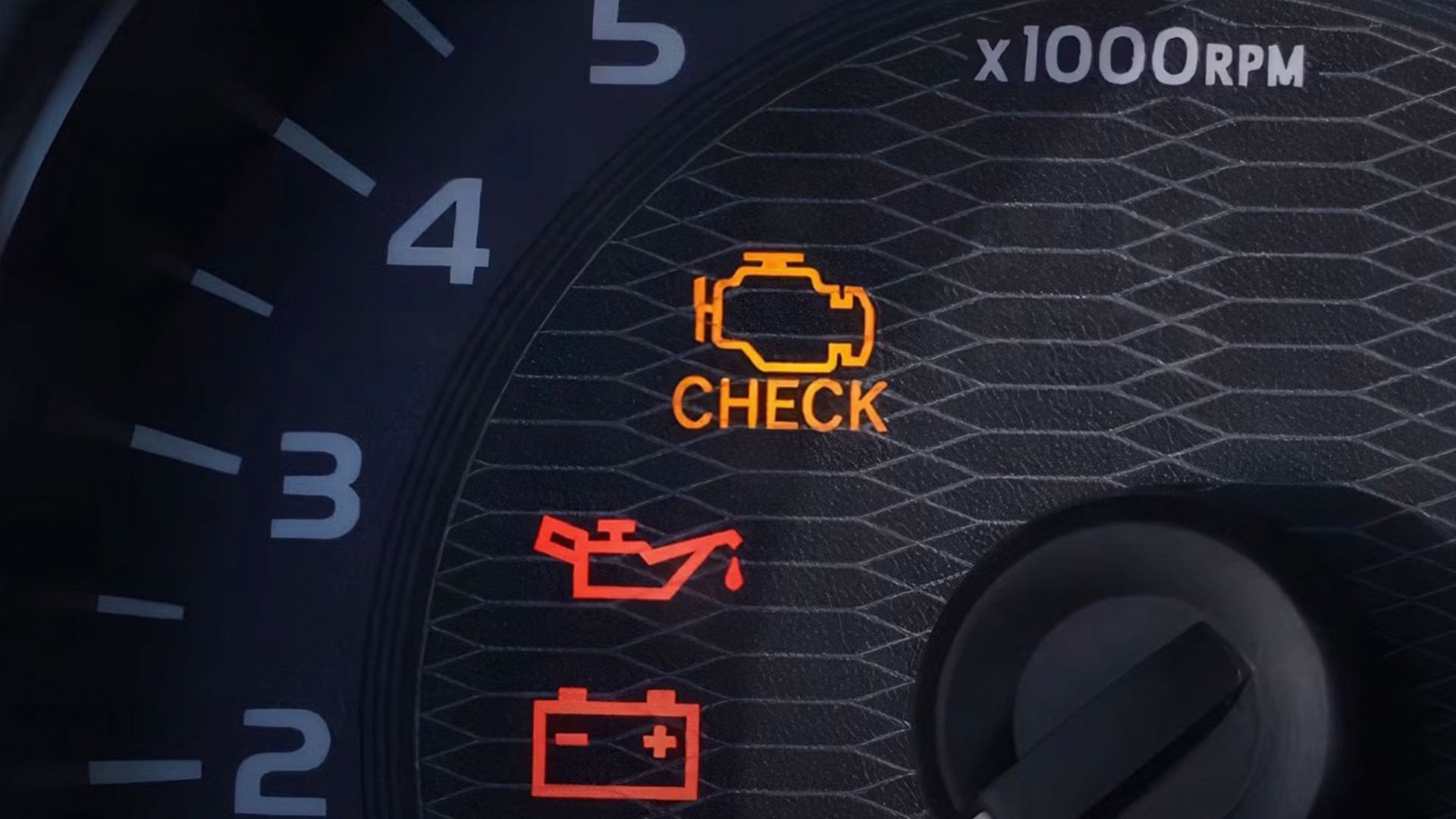
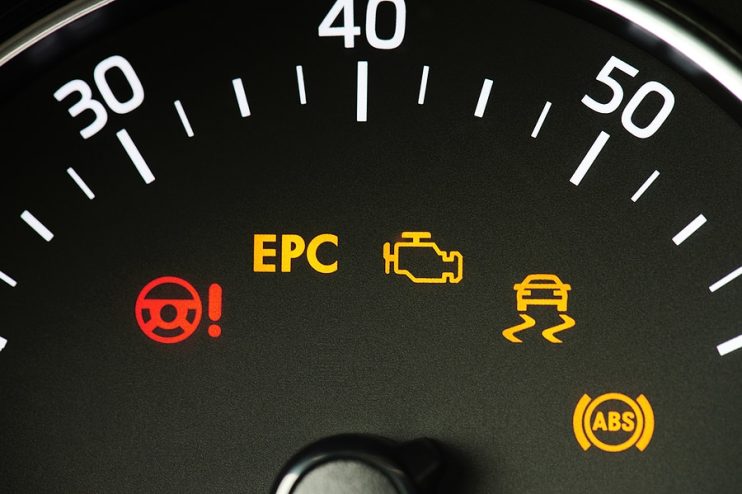
Many vehicles show a check engine light, transmission warning, or other dashboard alerts.
Common Symptoms of Limp Mode in a Car
Recognizing limp mode symptoms can help you react quickly. Most drivers notice a sudden change in how the vehicle feels before they know what happened.
The exact symptoms depend on the vehicle brand, engine type, and the fault detected by the computer. A modern car may show only a warning light, while another may severely limit speed.

- ✦ Reduced engine power
The vehicle may struggle to accelerate or feel much slower than normal.
- ✦ Limited RPM range
The engine may stop increasing speed beyond a certain RPM limit.
- ✦ Transmission behavior changes
Automatic transmissions may stay in one gear or shift differently.
- ✦ Dashboard warnings
The check engine light or other warning messages may appear.
How Limp Mode Feels While Driving
Many drivers describe limp mode as feeling like the car has lost its strength. Pressing the gas pedal may produce little response, especially when trying to merge onto a highway or climb a hill.
- ✦ Slow acceleration
The car may take longer to reach normal driving speed.
What Causes a Car to Go Into Limp Mode?
Limp mode can happen because of many different issues. The ECU watches data from many sensors and systems, so a fault in one area can trigger this protective response.
When diagnosing What Is Limp Mode in a Car problems, technicians usually start by checking trouble codes with an OBD2 scanner. These codes provide clues but do not always identify the exact failed part.

- ✦ Faulty sensors
Bad readings from sensors such as the mass airflow sensor, throttle position sensor, or boost sensor can trigger limp mode.
- ✦ Transmission problems
Low fluid, damaged solenoids, or transmission control faults can cause reduced operation.
- ✦ Turbocharger issues
Turbo boost problems can make the ECU limit power to protect the engine.
- ✦ Electrical problems
Loose wiring, damaged connectors, or voltage problems may create incorrect signals.
Sensor Problems That Can Trigger Limp Mode
Modern vehicles depend on sensors to measure air flow, engine pressure, temperature, and throttle position. If these signals look unsafe, the ECU may activate limp mode until the issue is checked.
- ✦ Airflow sensors
Incorrect air readings can affect fuel control and engine performance.
- ✦ Throttle sensors
Throttle position errors can limit acceleration for safety.
Can You Drive a Car in Limp Mode?
A car in limp mode is usually still drivable, but it is not meant for normal use. The system limits performance because the vehicle has detected a condition that needs attention.
Short trips at low speed may be possible, such as moving the car home or visiting a nearby repair shop. However, continuing to drive for days can turn a small issue into a larger repair.
- ✦ Drive carefully
Avoid heavy acceleration, towing, or long highway trips when the vehicle has limited power.
- ✦ Check warning lights
Pay attention to overheating, oil warnings, or flashing dashboard indicators.
- ✦ Get a diagnosis
Use an OBD2 scanner or visit a qualified technician to find the cause.
How to Diagnose and Fix Limp Mode
Fixing limp mode starts with finding the reason it happened. Resetting the warning light without repairing the problem may only hide the issue for a short time.
A proper diagnosis combines scanner data, physical inspection, and testing of related parts. Experienced technicians look at the complete picture instead of replacing random components.
- ✦ Scan trouble codes
An OBD2 scanner reads stored codes from the vehicle computer.
- ✦ Inspect basic items
Check fluids, wiring connections, hoses, and visible damage.
- ✦ Repair the root cause
Replace or repair the faulty component instead of only clearing codes.
- ✦ Clear codes after repair
The warning light can be reset after the actual problem is solved.
Can Disconnecting the Battery Reset Limp Mode?
Disconnecting the battery may temporarily reset some warning lights, but it does not repair the cause. If the computer detects the same fault again, limp mode may return.
- ✦ Temporary reset
A battery reset may remove stored information but cannot fix mechanical failures.
How OBD2 Scanners Help Find Limp Mode Problems
An OBD2 scanner is one of the most useful tools for understanding What Is Limp Mode in a Car. These devices connect to the vehicle diagnostic port and read computer information.
Advanced scanners can show live data, freeze frame information, and sensor readings. This helps drivers and technicians understand what happened when the fault occurred.
- ✦ Read diagnostic codes
The scanner identifies stored trouble codes related to engine or transmission systems.
- ✦ View live data
Live readings help compare sensor performance with normal operating conditions.