Understanding What Is Toe Angle on a Car helps drivers know why their vehicle may pull, feel unstable, or wear tires unevenly. Toe is one of the three main wheel alignment angles, along with camber and caster.
From my experience studying vehicle suspension systems, toe is one of the most important alignment settings for daily drivers. A small toe change can create noticeable differences in steering feel, highway stability, and tire life.

What Is Toe Angle on a Car and How Does It Work?
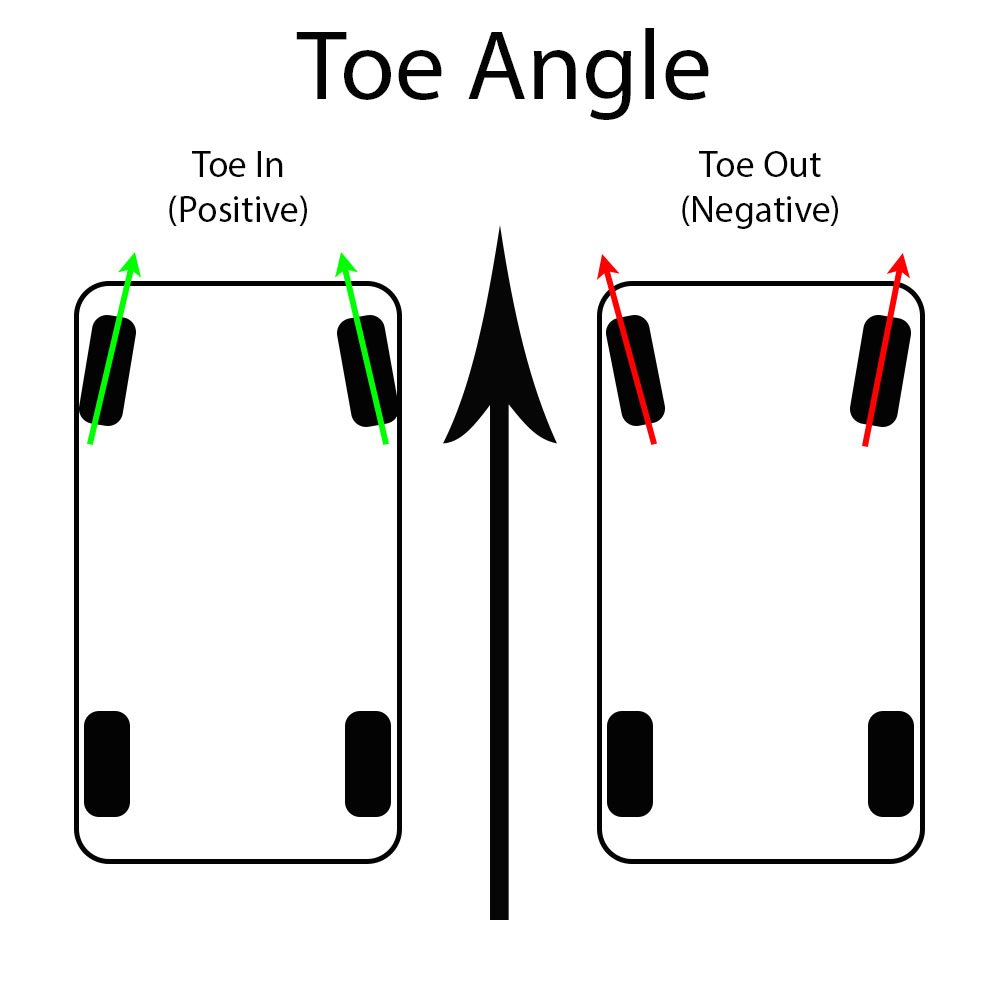
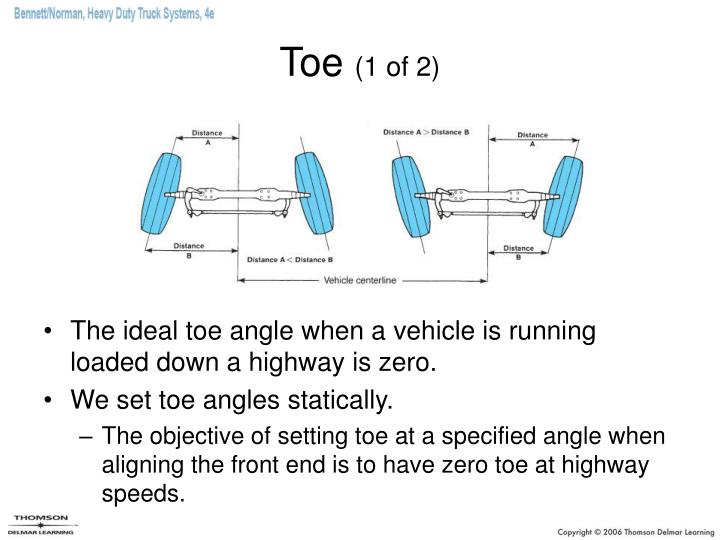
Toe angle measures the position of the front edges of the tires compared with the rear edges when viewed from above. It shows whether the wheels point toward each other or away from each other.
When the front edges of the tires point slightly inward, the vehicle has toe-in. When they point slightly outward, the vehicle has toe-out. Manufacturers set these angles to balance stability, tire wear, and steering response.

- ✦ Toe-in
The front edges of the tires are closer together than the rear edges. This setting often improves straight-line stability.
- ✦ Toe-out
The front edges of the tires are farther apart than the rear edges. This can improve cornering response in some performance vehicles.
- ✦ Total toe
The combined toe measurement of both wheels on the same axle.
Why Toe Angle Matters
Toe angle affects how tires move across the road surface. Even a small incorrect setting can make tires scrub instead of rolling smoothly.
A proper toe setting helps the car track straight, respond correctly to steering input, and reduce unnecessary tire friction.
Toe-In vs Toe-Out: Understanding the Difference
Toe-in and toe-out are opposite alignment settings. Both can be useful, but the correct choice depends on vehicle design and driving goals.
Most passenger cars in the United States use a carefully measured toe setting designed for comfort, stability, and long tire life.

- ✦ Toe-in benefits
Toe-in can help reduce nervous steering behavior and improve stability during highway driving.
- ✦ Toe-out benefits
Toe-out can make steering feel quicker because the tires begin turning into a corner more aggressively.
Which Toe Setting Is Better?
There is no universal best toe setting. Engineers choose specifications based on suspension design, tire type, and intended vehicle use.
A family sedan, pickup truck, and sports car may all use different toe angles because they have different handling needs.
How Incorrect Toe Angle Affects Tire Wear
Incorrect toe angle is one of the most common causes of uneven tire wear. The tires may drag across the road instead of moving straight.
Many drivers replace tires without fixing the alignment issue that caused the damage. Checking toe alignment can prevent repeated tire problems.

- ✦ Inside or outside edge wear
Incorrect toe can create excessive wear on specific areas of the tire tread.
- ✦ Feathering pattern
A tire may feel smooth in one direction and rough in the other due to incorrect toe settings.
- ✦ Reduced tire lifespan
Poor alignment can shorten how long tires perform safely.
Symptoms of a Wrong Toe Angle on a Car
A wrong toe angle often creates signs that drivers can notice during daily use. Paying attention to these symptoms can help avoid expensive tire and suspension repairs.
If your vehicle feels different after hitting a pothole or curb, checking the wheel alignment is a smart step.

- ✦ Vehicle pulls to one side
The car may drift left or right instead of following a straight path.
- ✦ Steering wheel is off-center
The steering wheel may not sit straight when driving on a flat road.
- ✦ Tire noise or vibration
Uneven tire contact can create extra road noise or vibration.
Checking Toe Problems at Home
Drivers can look for uneven tread wear and compare steering behavior, but accurate toe measurement requires alignment equipment.
Professional alignment machines measure each wheel angle with high precision.
How Wheel Alignment Adjusts Toe Angle
A wheel alignment service checks and adjusts suspension angles to match manufacturer specifications. Toe is usually adjusted by changing steering linkage length.
Modern alignment shops in the USA use computerized systems that measure wheel positions and compare them with factory targets.
- ✦ Inspection
Technicians inspect tires, suspension parts, and steering components before adjustment.
- ✦ Measurement
Alignment equipment measures current toe, camber, and caster values.
- ✦ Adjustment
Technicians adjust components to bring the angles within recommended limits.
Toe Angle Compared With Camber and Caster
Toe, camber, and caster work together to control how a vehicle handles. Toe controls wheel direction, camber controls wheel tilt, and caster affects steering stability.
Understanding all three angles gives drivers a better idea of why alignment affects comfort, safety, and tire performance.

- ✦ Toe
Controls whether wheels point inward or outward.
- ✦ Camber
Controls the inward or outward tilt of the tire from the front view.
- ✦ Caster
Controls steering axis angle and steering return behavior.