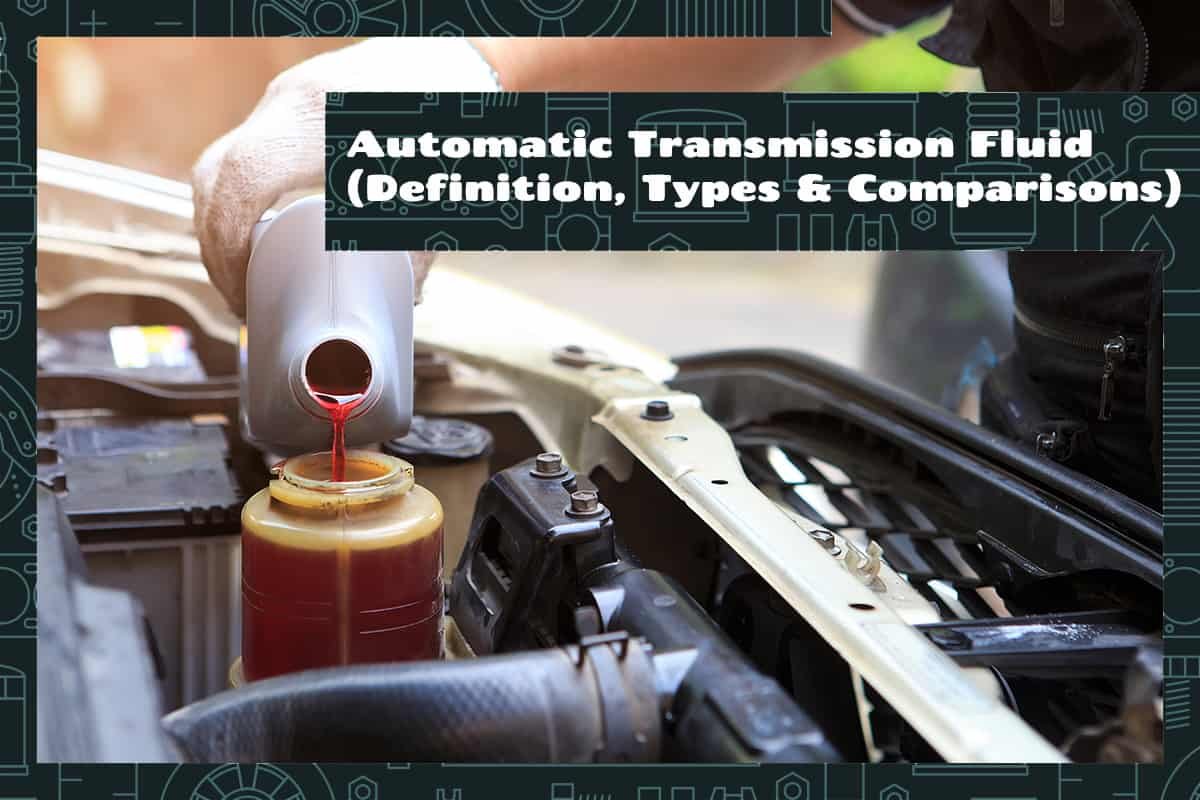
Many drivers know they need engine oil changes but forget about another important fluid inside their vehicle. Transmission fluid plays a major role in how your car moves, shifts gears, and handles daily driving. Without healthy transmission fluid, even a well-built transmission can wear out faster.
From my experience researching vehicle maintenance topics, I have seen that many transmission failures start with simple fluid problems. Understanding what transmission fluid does helps drivers in the United States avoid costly repairs and keep their vehicles reliable for daily commutes, road trips, and heavy traffic conditions.
 display: block; margin: 0 auto; border-radius: 12px; box-shadow: 0 8px 25px rgba(0, 0, 0, 0.12);”>
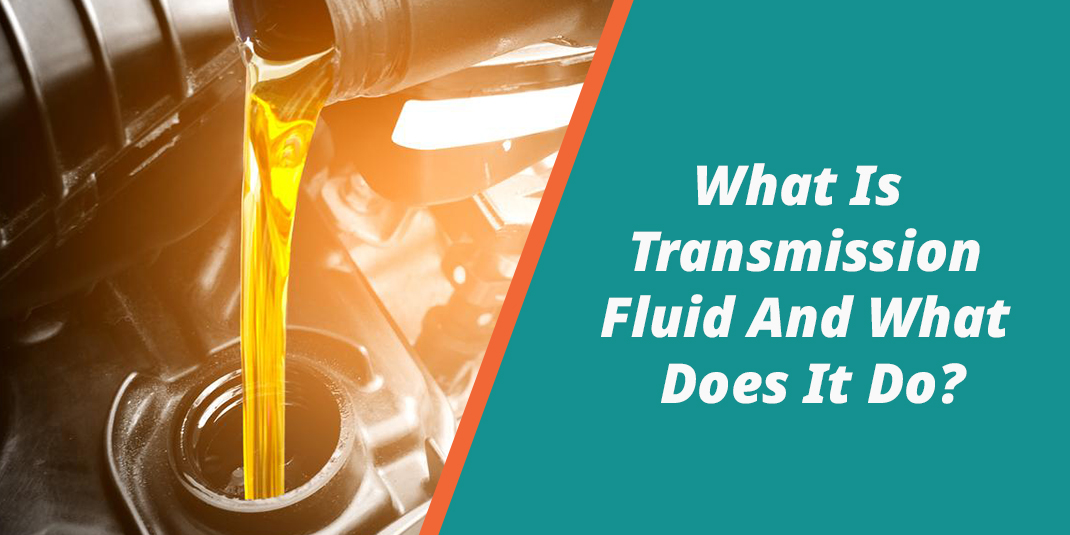
What Is Transmission Fluid and What Does It Do
Transmission fluid is a hydraulic fluid made for vehicle transmissions. It helps the transmission parts move smoothly while reducing friction and heat. In automatic vehicles, it also helps create hydraulic pressure needed for gear changes.
The answer to what is transmission fluid and what does it do is simple: it keeps the transmission clean, cool, lubricated, and working correctly. It is designed to handle extreme pressure and temperature changes inside the transmission system.
Unlike regular motor oil, transmission fluid has unique additives that support gears, clutches, seals, and valves. Using the wrong fluid can reduce performance and may damage internal transmission components.
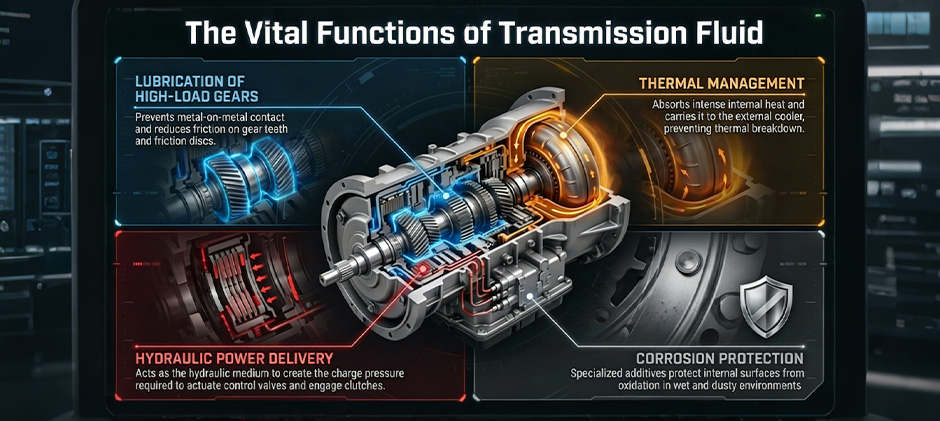
- ✦ Lubrication
Transmission fluid creates a protective layer between moving parts to reduce friction and wear.
- ✦ Cooling
It carries heat away from transmission components to help prevent overheating.
- ✦ Hydraulic Power
Automatic transmissions use fluid pressure to control gear changes and clutch operation.
Why Transmission Fluid Matters for Modern Vehicles
Modern transmissions have many small parts that must work together with precision. Clean fluid helps these parts respond quickly and operate smoothly.
Drivers often notice transmission issues through delayed shifting, strange noises, or rough movement. Keeping the correct fluid level helps prevent many common problems.
- ✦ Better Shifting
Fresh transmission fluid allows smoother and more consistent gear changes.
How Transmission Fluid Works Inside a Vehicle
Transmission fluid works differently depending on the type of transmission. In an automatic transmission, the fluid moves through channels and creates pressure that controls gears and clutches.
In manual transmissions, transmission fluid mainly reduces friction between gears and bearings. It helps the driver shift smoothly while protecting metal surfaces from damage.
The role of transmission fluid becomes especially important during American driving conditions like stop-and-go traffic, towing, and long highway trips where transmissions create more heat.
- ✦ Automatic Transmission Operation
Automatic transmission fluid transfers hydraulic pressure and helps control automatic gear changes.
- ✦ Manual Transmission Protection
Manual transmission fluid protects gears and bearings from excessive friction.
Different Types of Transmission Fluid
There is no single transmission fluid that works for every vehicle. Car manufacturers design transmissions around specific fluid formulas.
Choosing the correct transmission fluid is important because each formula has different viscosity levels and additives. Always check your owner’s manual before adding fluid.
- ✦ Automatic Transmission Fluid (ATF)
ATF is designed for automatic transmissions and supports hydraulic operation, cooling, and lubrication.
- ✦ Manual Transmission Fluid
Manual transmissions may use gear oil, ATF, or special fluids depending on vehicle design.
- ✦ Continuously Variable Transmission Fluid
CVT fluid is made specifically for belt and pulley systems found in many modern vehicles.
Why Using the Correct Fluid Is Important
The wrong transmission fluid may cause poor shifting, increased wear, or internal damage. Even fluids that look similar can have different chemical properties.
Vehicle manufacturers test transmission fluids carefully, so following their recommendation is the safest approach.
Signs Your Transmission Fluid May Need Attention
Transmission fluid does not last forever. Over time, heat and friction break down the fluid’s protective properties.
Knowing the warning signs can help drivers fix small issues before they become major transmission failures.
- ✦ Delayed Gear Changes
A delay when shifting gears may indicate low, old, or contaminated transmission fluid.
- ✦ Burning Smell
A burnt smell can mean the fluid has overheated and lost its ability to protect parts.
- ✦ Dark or Dirty Fluid
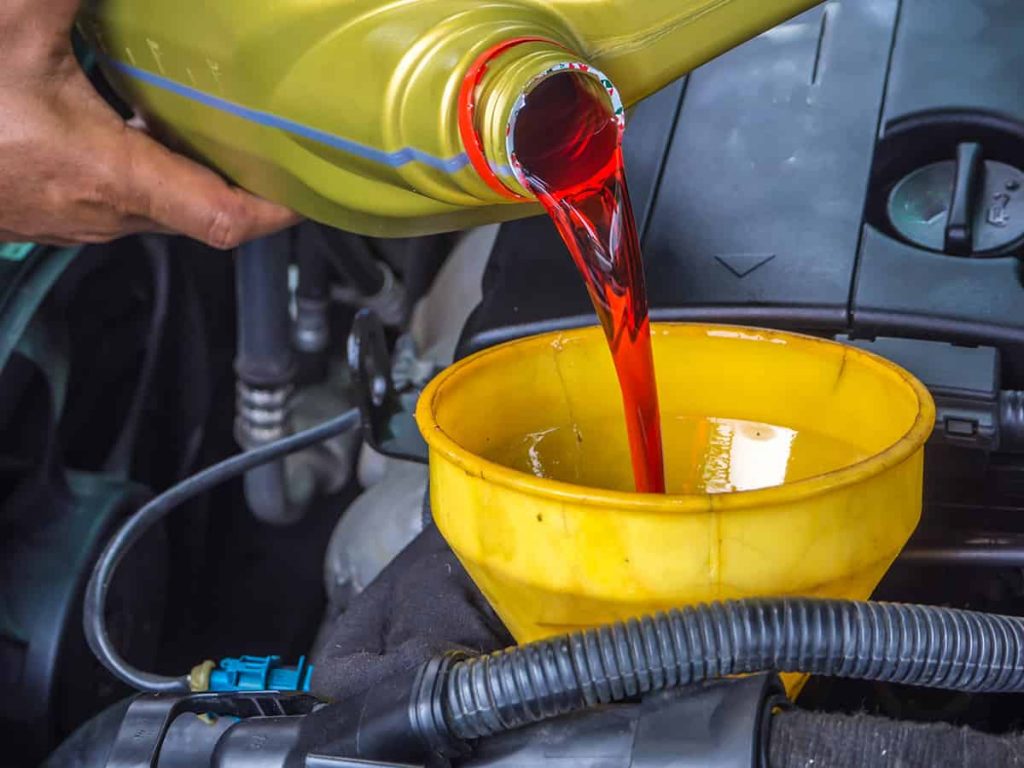
Healthy transmission fluid usually has a clean appearance, while damaged fluid may look dark or contain debris.
- ✦ Transmission Slipping
Low fluid pressure can prevent gears from engaging correctly and may cause slipping.
How Often Should Transmission Fluid Be Changed
The correct transmission fluid change interval depends on the vehicle, transmission type, driving conditions, and manufacturer recommendations.
Some vehicles can run longer with modern synthetic fluids, while others need more frequent service. Severe driving conditions like towing, mountain driving, and heavy traffic may require earlier changes.
Many owners check their engine oil regularly but forget about transmission service. Following a maintenance schedule can help extend transmission life.
- ✦ Check the Owner’s Manual
Manufacturers provide the recommended service interval for each transmission design.
- ✦ Consider Driving Conditions
Heavy use may require more frequent transmission fluid maintenance.
Transmission Fluid Change vs Flush
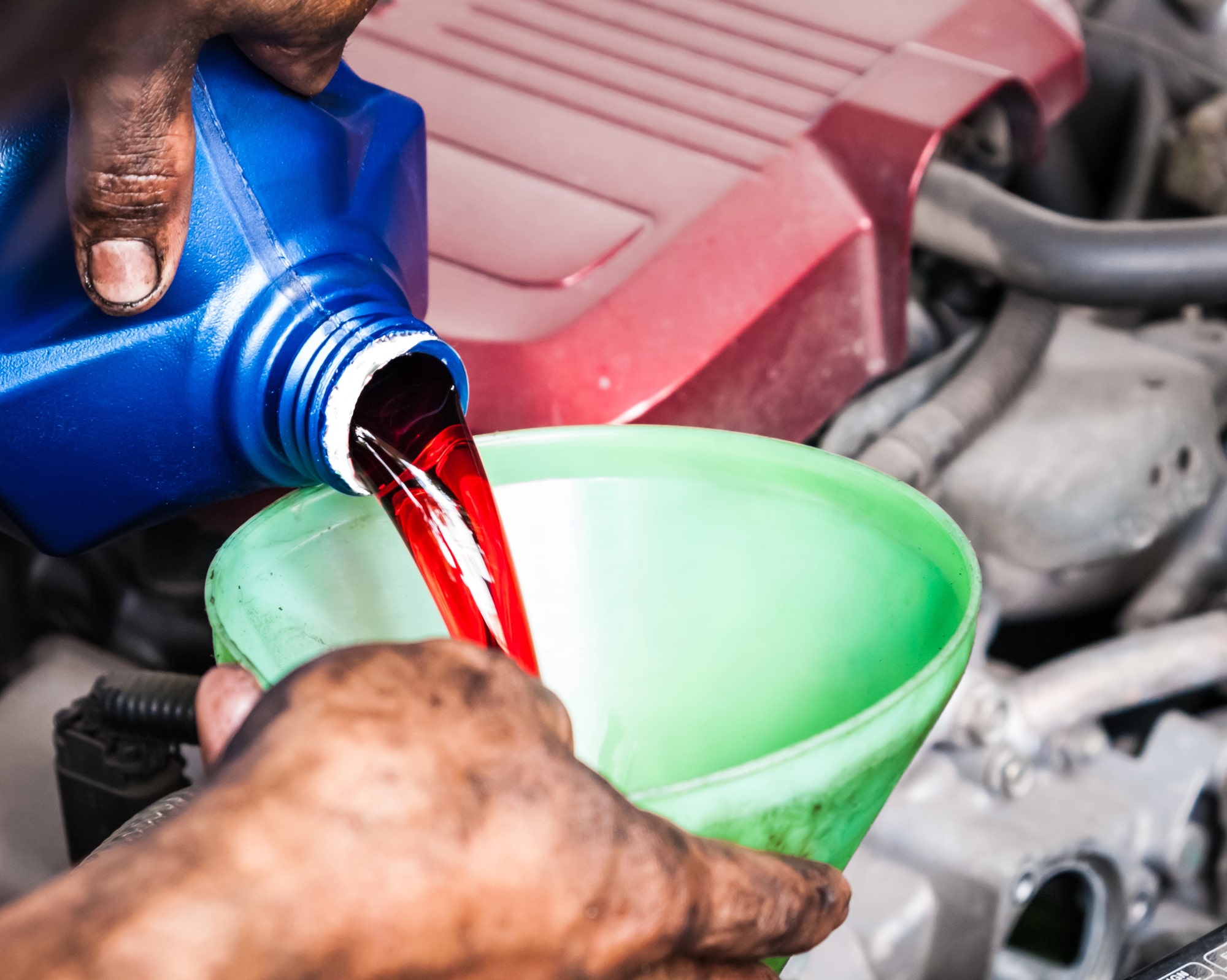
A transmission fluid change replaces part of the old fluid with fresh fluid. A flush removes more old fluid using specialized equipment.
The best service method depends on the vehicle’s condition and manufacturer guidance. Some older transmissions may not benefit from aggressive flushing.
What Happens When Transmission Fluid Is Low or Bad
Low transmission fluid reduces the amount of lubrication and hydraulic pressure available inside the transmission. This can lead to poor shifting and increased wear.
Old or contaminated fluid can also allow heat and friction to damage internal parts. Repairing transmission damage can be much more expensive than regular fluid maintenance.
- ✦ Overheating
Bad fluid cannot remove heat effectively, increasing the risk of transmission damage.
- ✦ Component Wear
Poor lubrication increases friction between gears and other moving parts.