What Is Vehicle Cybersecurity is a question more drivers ask as cars become smarter. Modern vehicles are no longer only mechanical machines. They are computers on wheels with internet connections, sensors, apps, and complex software.
From my experience studying automotive technology trends, the biggest change is that vehicle safety now depends on both physical protection and digital protection. A secure vehicle must protect the driver, passengers, personal data, and critical driving systems from cyber risks.
In the United States, millions of drivers use connected features every day. Remote start apps, navigation systems, Bluetooth connections, and electric vehicle platforms all depend on digital systems that require strong cybersecurity.

What Is Vehicle Cybersecurity and Why Does It Matter?
What Is Vehicle Cybersecurity refers to the methods used to protect vehicles from unauthorized access, cyber attacks, and software-based threats. It covers every digital part of a vehicle, from control units to mobile applications.
Modern cars contain dozens of electronic control units that manage important functions. These systems communicate through internal networks, which means a weakness in one area may create risks in another area.
Vehicle cybersecurity matters because cars now store personal information and connect to outside networks. Protecting these systems helps maintain safety, privacy, and trust.
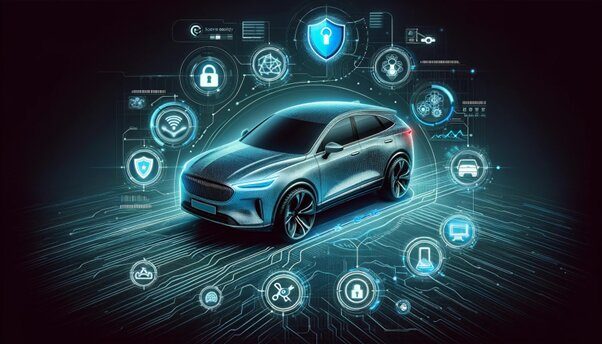
- ✦ Protects vehicle systems
Cybersecurity helps prevent attackers from interfering with important vehicle functions.
- ✦ Protects driver data
Security systems help keep location, personal settings, and connected service information private.
- ✦ Supports safe innovation
Strong security allows automakers to add smart features without increasing unnecessary risks.
How Vehicle Cybersecurity Works
Vehicle cybersecurity uses multiple layers of protection. Automakers do not rely on one security tool. They combine software design, encryption, testing, monitoring, and updates.
A secure vehicle starts with secure development. Engineers test vehicle software before release and continue checking for weaknesses after vehicles reach customers.
Many modern vehicles also receive over-the-air updates. These updates allow manufacturers to fix security problems without requiring every driver to visit a service center.

- ✦ Encryption
Encryption changes sensitive information into protected data that unauthorized users cannot easily read.
- ✦ Authentication
Authentication checks whether a person, device, or service has permission to access vehicle systems.
- ✦ Security monitoring
Monitoring tools look for unusual activity that may indicate a cyber threat.
Vehicle Software Protection
Software controls many modern vehicle features. Protecting software from unauthorized changes is a major part of automotive cybersecurity.
Manufacturers use secure coding practices and testing methods to reduce software weaknesses.
- ✦ Secure software updates
Updates are verified to ensure only approved software enters the vehicle system.
Common Vehicle Cybersecurity Threats
As vehicles become more connected, attackers have more possible entry points. Vehicle cybersecurity teams study these risks to improve protection.
Most threats require access to digital systems rather than physical vehicle parts. The goal of attackers may include stealing information, disrupting systems, or gaining unauthorized control.
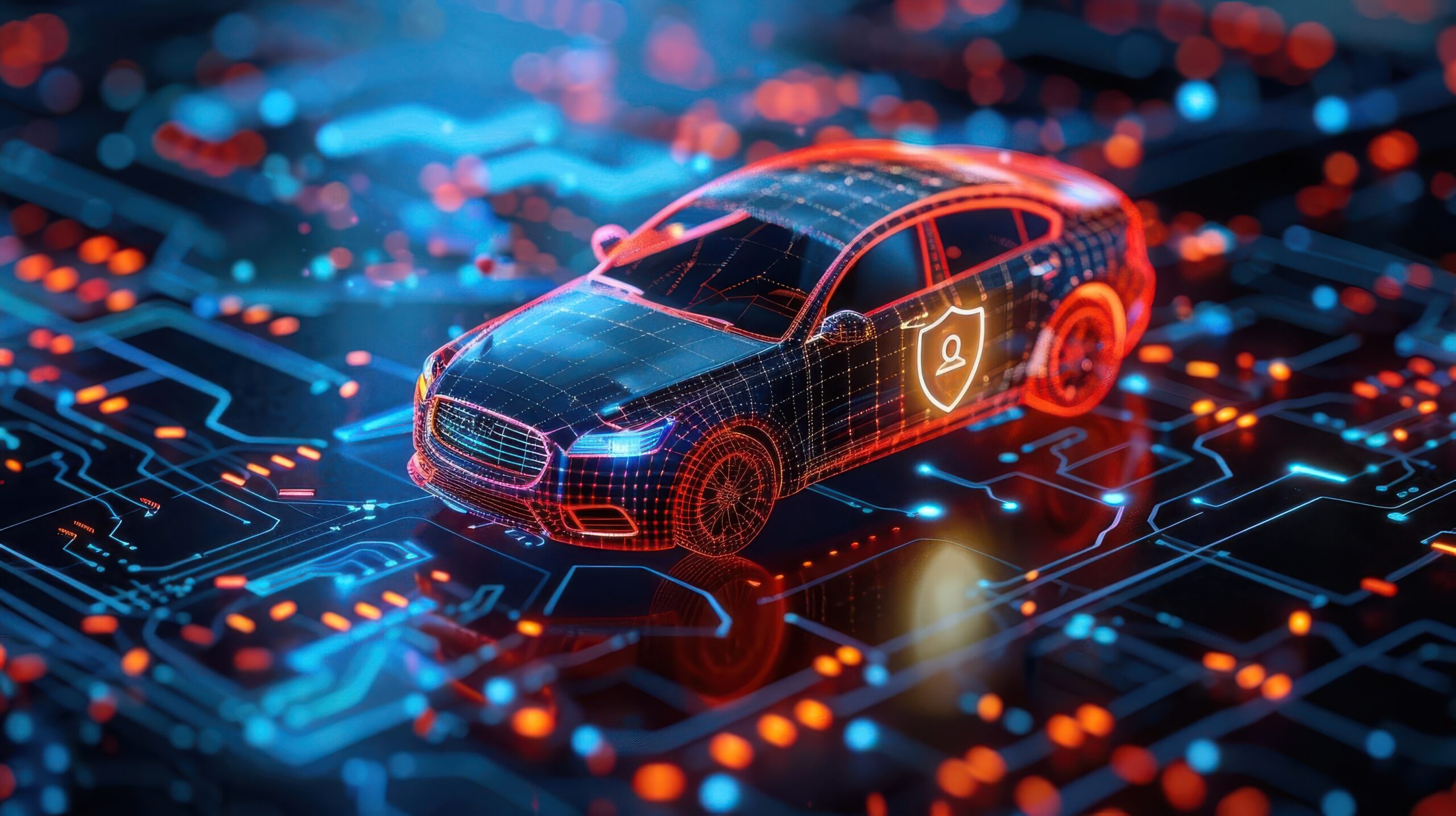
- ✦ Remote hacking attempts
Attackers may try to access connected vehicle systems through weak network points.
- ✦ Malicious software
Unsafe software or infected devices may introduce harmful programs into vehicle systems.
- ✦ Data privacy risks
Connected cars collect information that needs proper protection.
- ✦ Communication attacks
Attackers may target communication between vehicle components and external services.
Vehicle Cybersecurity in Electric and Connected Cars
Electric vehicles and connected cars rely heavily on software. Battery management, charging systems, apps, and cloud services all require cybersecurity protection.
As EV adoption grows in the United States, manufacturers focus on protecting charging networks and digital communication systems.
Connected vehicles also create benefits for drivers, such as remote diagnostics and improved safety features, but these advantages depend on strong security practices.
- ✦ EV charging protection
Cybersecurity helps protect communication between electric vehicles and charging systems.
- ✦ Cloud security
Cloud platforms must protect vehicle data and connected services.
How Automakers Improve Vehicle Cybersecurity
Automakers use security practices throughout the vehicle lifecycle. Protection starts during design and continues after the vehicle is sold.
Companies work with cybersecurity experts to test systems, identify weaknesses, and create faster responses to possible threats.
- ✦ Security testing
Engineers test vehicles for weaknesses before and after production.
- ✦ Regular updates
Software updates help fix known issues and improve protection.
- ✦ Industry standards
Automotive companies follow cybersecurity guidelines to improve safety.
How Drivers Can Improve Vehicle Cybersecurity
Drivers also play a role in vehicle cybersecurity. Simple habits can reduce exposure to common digital risks.
Vehicle owners should treat connected car accounts like other online accounts. Strong passwords and careful device use can improve protection.
- ✦ Install updates
Keep vehicle software and connected apps updated when manufacturers provide new versions.
- ✦ Use strong passwords
Create unique passwords for vehicle apps and connected services.
- ✦ Avoid unknown devices
Do not connect suspicious devices or software to vehicle systems.