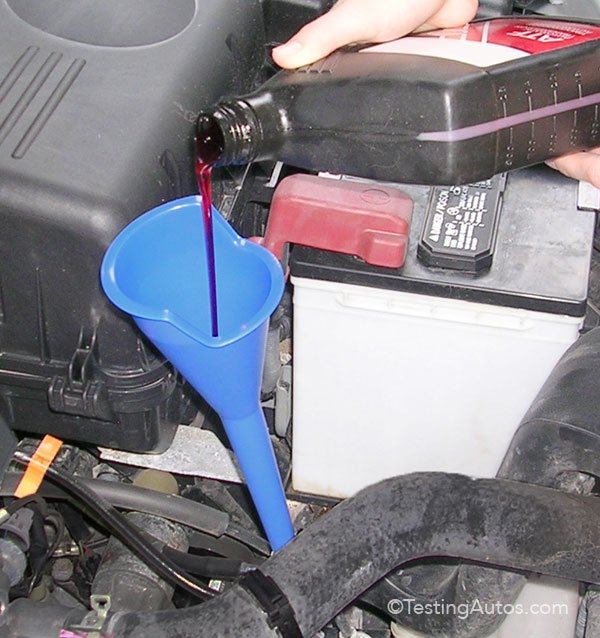
Knowing when should automatic transmission fluid be changed can help prevent expensive transmission repairs. Your transmission depends on clean fluid to control shifting, reduce heat, and protect internal parts. In the United States, many drivers follow mileage schedules, but real driving conditions often matter more than the number on the odometer.
From working with vehicle maintenance topics, I have learned that many transmission problems begin with ignored fluid service. Modern transmissions may last a long time, but they still need proper care. A simple fluid check can reveal problems before they become major repairs.
 display: block; margin: 0 auto; border-radius: 12px; box-shadow: 0 8px 25px rgba(0, 0, 0, 0.12);”>
Why Automatic Transmission Fluid Needs to Be Changed
Automatic transmission fluid does more than lubricate moving parts. It helps create hydraulic pressure, controls gear changes, cools the transmission, and protects metal components from wear.
Over time, heat and friction break down the fluid. Old fluid loses its ability to protect the transmission, which can lead to harder shifts, slipping gears, and higher repair costs.

- ✦ Lubrication
Fresh fluid reduces friction between gears, bearings, and other moving transmission parts.
- ✦ Cooling
Transmission fluid carries heat away from internal components to help prevent overheating.
- ✦ Hydraulic Control
Automatic transmissions use fluid pressure to engage gears smoothly.
How Old Fluid Affects Transmission Performance
As fluid ages, it can become darker and collect small particles from normal wear. These changes reduce its ability to keep transmission parts working smoothly.
A transmission with worn fluid may feel slow when shifting or may create unusual noises during driving.
- ✦ Reduced Protection
Old fluid may not protect internal parts from heat and friction as effectively.
When Should Automatic Transmission Fluid Be Changed?
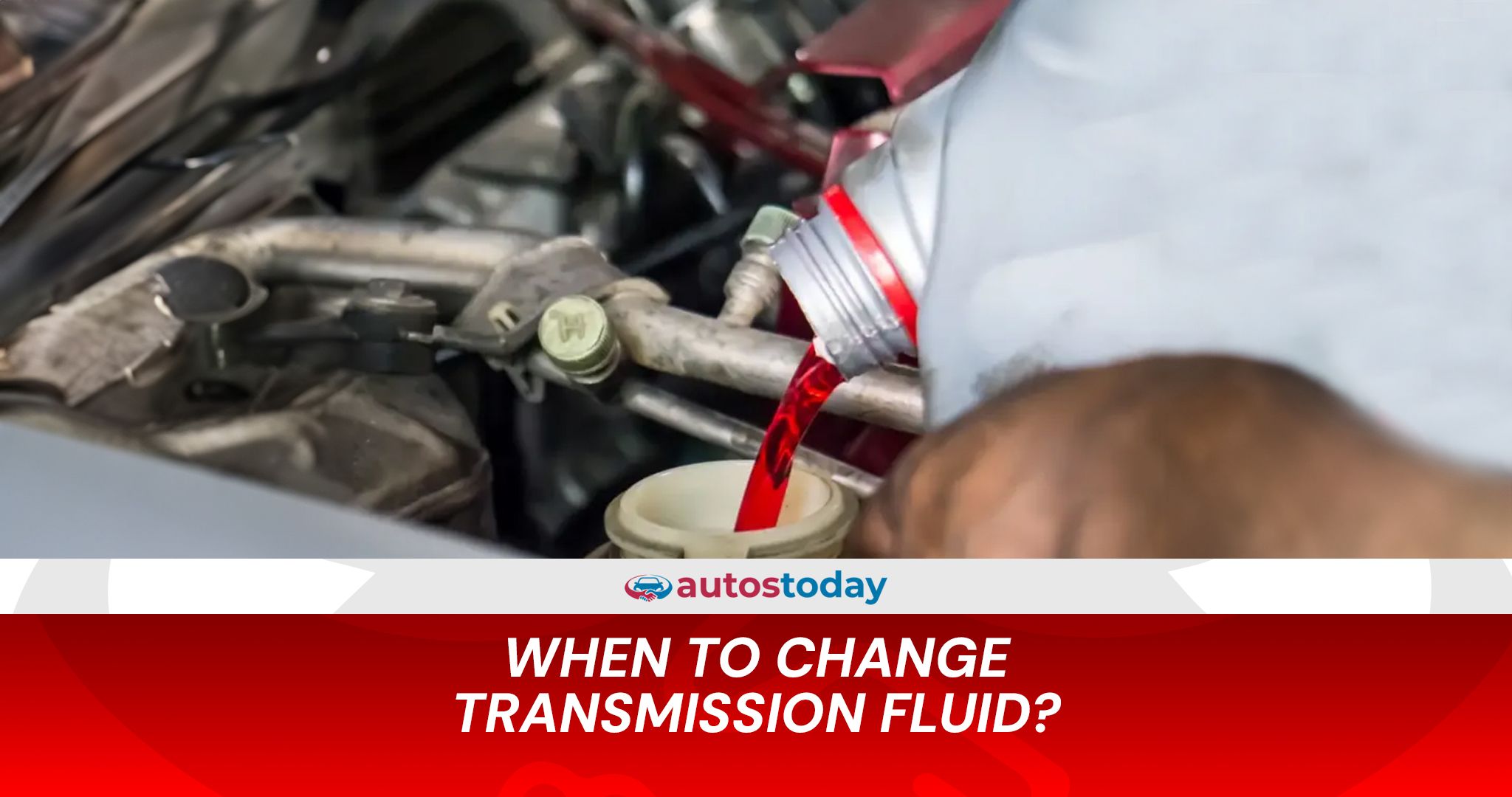
When should automatic transmission fluid be changed depends on the vehicle design, transmission type, driving habits, and manufacturer recommendations. Many vehicles need service around 30,000 to 60,000 miles, while some newer vehicles have longer intervals.
The owner’s manual should always be your first source because each transmission uses different fluid types and maintenance schedules. Some vehicles require special fluids that should not be replaced with universal products.
- ✦ Normal Driving
Many vehicles can follow a longer service interval when driven under easy conditions.
- ✦ Severe Driving
Frequent towing, mountain driving, heavy traffic, and extreme temperatures may require more frequent fluid changes.
Manufacturer Recommendations Matter
Vehicle manufacturers test their transmissions under many conditions. Their recommended service schedule considers fluid type, transmission design, and expected use.
Following the correct schedule helps avoid changing fluid too early or waiting too long.
- ✦ Check Your Manual
The owner’s manual provides the specific mileage and fluid requirements for your vehicle.
Signs Your Automatic Transmission Fluid May Need Changing
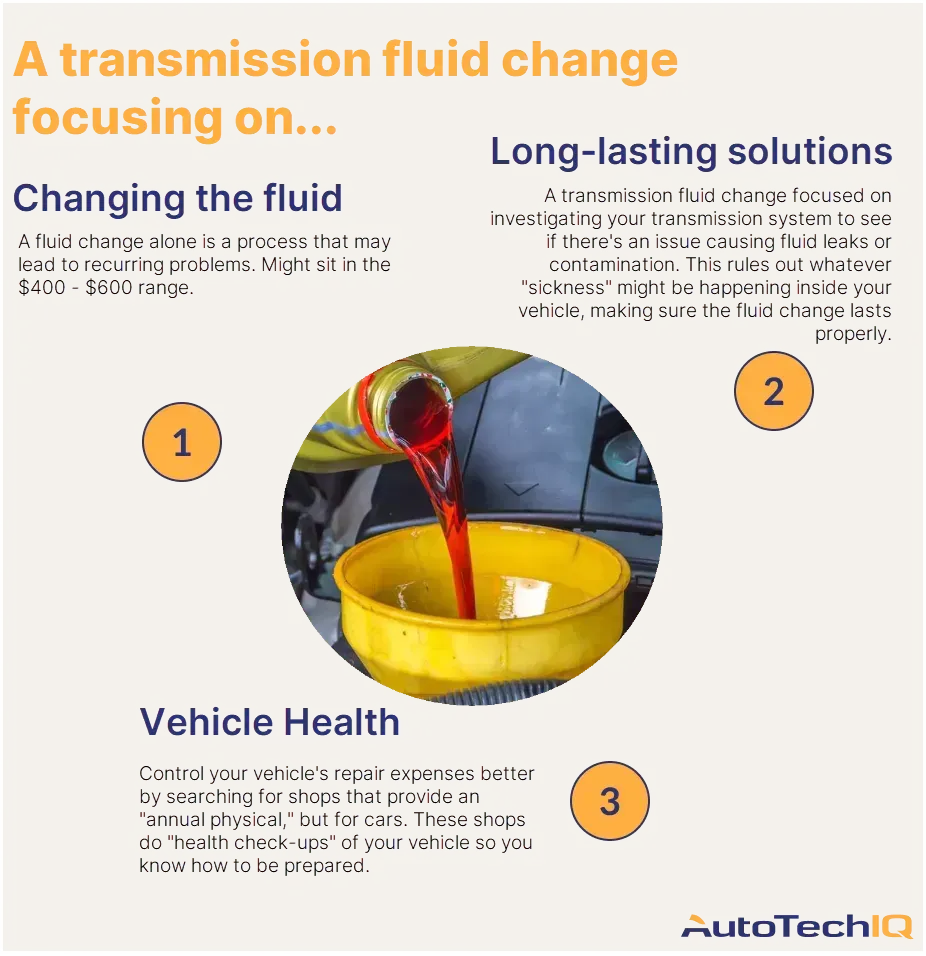
Your vehicle often gives warning signs when transmission fluid is old or damaged. Paying attention to these signs can help you address problems before serious transmission damage occurs.
A fluid inspection is simple and can provide useful information about transmission health.
- ✦ Dark or Dirty Fluid
Healthy transmission fluid is usually bright and clean. Dark fluid may show age or overheating.
- ✦ Burning Smell
A burnt odor can indicate that fluid has overheated and lost protective qualities.
- ✦ Rough Shifting
Hard or delayed gear changes may happen when fluid cannot maintain proper pressure.
- ✦ Transmission Noise
Whining or unusual sounds may appear when lubrication becomes poor.
Driving Conditions That Require More Frequent Fluid Changes
Not every driver uses a vehicle in the same way. A car used for daily commuting in light traffic experiences less stress than a truck pulling heavy loads.
If your driving creates more heat inside the transmission, the fluid can break down faster.
- ✦ Towing and Hauling
Heavy loads increase transmission heat and can shorten fluid life.
- ✦ City Driving
Frequent stops and starts create more shifting cycles and added stress.
- ✦ Extreme Weather
Very hot or cold conditions can affect transmission performance.
American Driving Examples
A driver in a busy city like Los Angeles or New York may put more stress on a transmission through constant traffic. A truck owner in a rural area may face extra strain from towing or hauling.
These situations show why mileage alone does not tell the full story.
Transmission Fluid Change vs Transmission Flush
Many drivers confuse a transmission fluid change with a transmission flush. A fluid change usually removes some old fluid and replaces it with fresh fluid. A flush uses equipment to replace more of the old fluid.
The correct choice depends on the vehicle and its maintenance history. Some transmissions benefit from a simple drain and fill, while others may allow a complete fluid exchange.
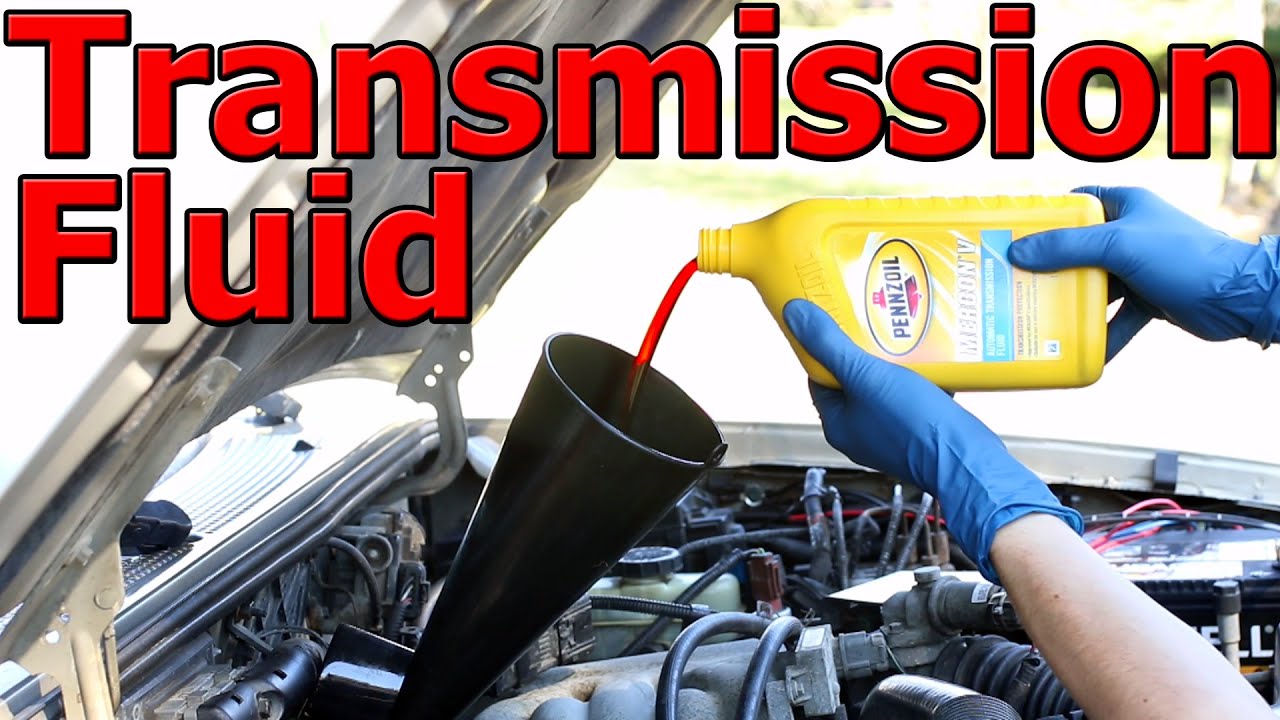
- ✦ Fluid Change
A common maintenance service that replaces old fluid with new fluid.
- ✦ Fluid Flush
A service that replaces a larger amount of fluid using specialized equipment.
How to Check Automatic Transmission Fluid Condition
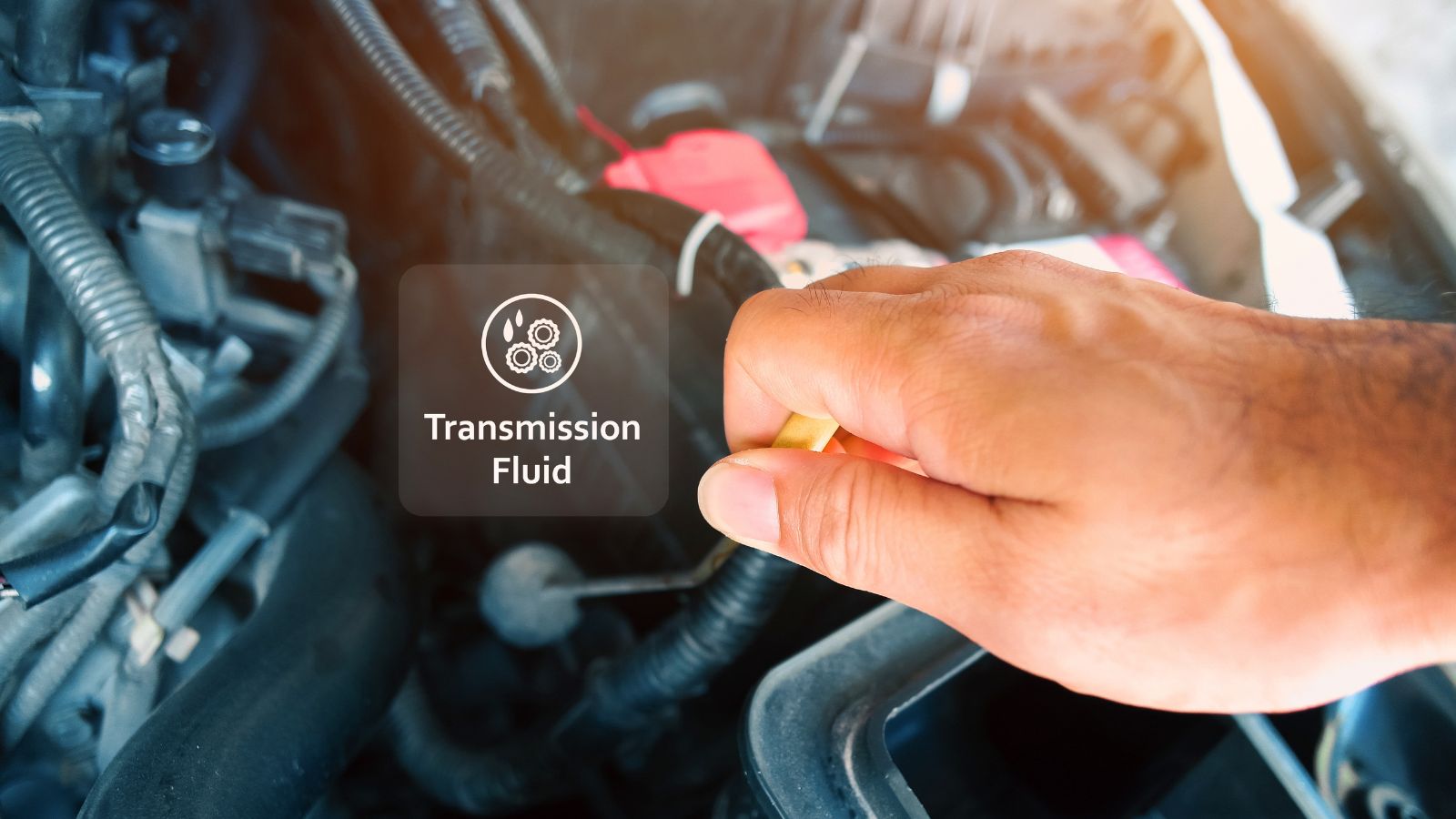
Checking transmission fluid condition can help you understand whether service may be needed. Some vehicles have a dipstick, while many newer models require a professional inspection.
When checking fluid, look at the color, smell, and level. These details can provide clues about transmission health.
- ✦ Fluid Color
Fresh fluid is often red or pink, while old fluid may become brown or very dark.
- ✦ Fluid Smell
A burnt smell may indicate overheating or fluid breakdown.