How Vehicle Ride Height Affects Aerodynamics is one of the most important topics in modern vehicle design. The distance between the road and the bottom of a vehicle changes how air flows under the body. Even small height changes can affect grip, efficiency, and high-speed control.
From my experience studying vehicle performance systems, ride height is never just about appearance. A lowered car may look aggressive, but engineers must balance airflow, suspension movement, tire behavior, and everyday driving needs. This is why race cars, sports cars, and road vehicles use carefully tested ride heights.

What Is Vehicle Ride Height?
Vehicle ride height is the vertical distance between the road surface and a specific point on the vehicle body or chassis. Manufacturers set this measurement based on comfort, safety, suspension travel, and aerodynamic goals.
How Vehicle Ride Height Affects Aerodynamics starts with understanding this basic measurement. When the body moves closer to the road, airflow under the vehicle changes. When it moves higher, more air enters below the vehicle and can create different pressure patterns.
- ✦ Factory ride height
Most passenger vehicles use a ride height designed for comfort, road clearance, and predictable handling.
- ✦ Performance ride height
Sports and racing vehicles often use lower ride heights to improve airflow control and stability.
Why Ride Height Matters Beyond Appearance
Many drivers lower vehicles for style, but aerodynamic changes are a major reason engineers adjust ride height. A poor setup can increase drag or make the vehicle unstable at speed.
How Lower Ride Height Improves Aerodynamic Performance
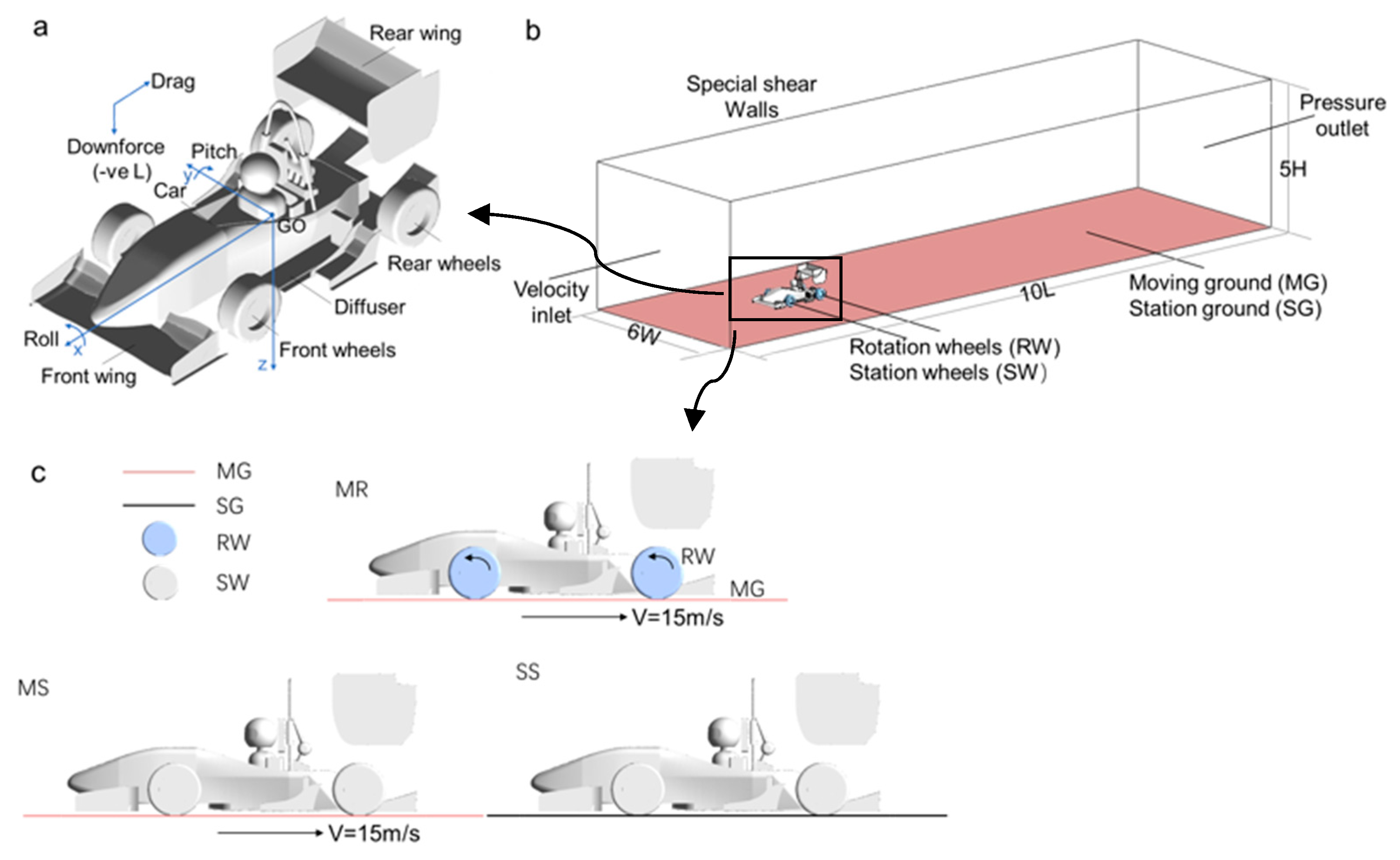
A lower vehicle can reduce the amount of air flowing underneath the body. This helps engineers manage pressure beneath the car and can improve the effect of aerodynamic components such as splitters and diffusers.
How Vehicle Ride Height Affects Aerodynamics becomes clear in performance vehicles. A small gap between the road and the floor can increase ground effect, which helps create more downward force without adding large external wings.
- ✦ Reduced airflow underneath
Less air under the vehicle can reduce turbulence and improve aerodynamic control.
- ✦ Better ground effect
A controlled low-pressure area under the vehicle can increase downforce.
The Role of Ground Clearance
Ground clearance must be carefully controlled. If a vehicle sits too low, airflow can become restricted and the floor may create inconsistent aerodynamic behavior.
- ✦ Too low
The vehicle may suffer from suspension problems, scraping, or unstable airflow.
How Higher Ride Height Changes Airflow and Drag
A higher ride height allows more air to pass underneath the vehicle. This can increase turbulence and create pressure changes that affect aerodynamic efficiency.
For daily drivers in the United States, higher ride height is common because roads, weather, and comfort needs require more clearance. SUVs and trucks often accept higher drag because practicality is a priority.

- ✦ More underbody airflow
Extra space below the vehicle can create more turbulence.
- ✦ Improved practicality
Higher clearance helps vehicles handle rough roads and obstacles.
Why SUVs Use Different Aerodynamic Strategies
SUV designers use features like active shutters, shaped underbodies, and spoilers to reduce aerodynamic losses caused by taller body designs.
Ride Height and Downforce Production
Downforce pushes the vehicle toward the road and improves tire grip. Ride height plays a key role because aerodynamic parts depend on controlled airflow paths.
How Vehicle Ride Height Affects Aerodynamics is especially important in racing. Engineers measure ride height at different speeds because suspension movement changes the aerodynamic balance.

- ✦ Front ride height
Affects splitter performance and front-end aerodynamic balance.
- ✦ Rear ride height
Changes diffuser airflow and rear stability.
Speed Changes Ride Height Effects
At high speeds, aerodynamic forces can compress suspension systems. This means a vehicle may have a different effective ride height while moving compared with sitting still.
The Balance Between Aerodynamics and Everyday Driving
The ideal ride height depends on the vehicle’s purpose. A race car can use extreme settings because it operates on smooth tracks, while a street car must handle potholes, speed bumps, and changing road conditions.
A practical aerodynamic setup focuses on balance. Maximum downforce is not always the goal because too much aerodynamic load can increase drag and reduce efficiency.

- ✦ Comfort
Higher ride heights often provide more suspension travel and smoother driving.
- ✦ Efficiency
Optimized ride height can reduce unnecessary aerodynamic losses.
How Modern Vehicles Control Ride Height
Modern vehicles use advanced suspension systems to adjust ride height automatically. Air suspension and adaptive dampers allow vehicles to change their aerodynamic position based on speed and driving conditions.
Luxury cars and performance vehicles use these systems to combine comfort with better aerodynamic efficiency. The vehicle can stay higher during normal driving and lower itself at highway speeds.

- ✦ Adaptive air suspension
Changes vehicle height electronically for different driving conditions.
- ✦ Active aerodynamic systems
Work with ride height changes to improve airflow management.