A coolant reservoir that overflows usually points to excess coolant, engine overheating, a faulty pressure cap, trapped air, or a damaged head gasket. Stop driving if coolant is spilling out or the engine is overheating. Never open the cooling system while it is hot.
For drivers across the United States, a coolant problem can appear during a summer commute, a long interstate trip, or a slow drive through heavy traffic. You may notice steam under the hood, a sweet smell, or a pool of colored fluid beneath your car. Sometimes, the coolant tank fills up and pushes fluid out just after you park. These signs deserve attention because your engine depends on a steady flow of coolant to control heat.
A small rise in coolant level as the engine warms up is normal. The fluid expands with heat and moves into the reservoir. However, coolant should not keep spilling out or push the tank beyond its normal range. A faulty cap, poor coolant flow, excess heat, or unwanted gas inside the cooling system can cause this problem. The right fix depends on what is forcing the coolant out.
Start with safety. If the temperature gauge rises into the red, a warning light comes on, or steam escapes from the engine bay, pull over safely and shut off the engine. Let the vehicle cool fully before checking any fluid level. This guide explains the common causes, safe checks, repair options, and signs that mean your car needs a tow.
Source: cartreatments.com
How the Coolant Reservoir Works
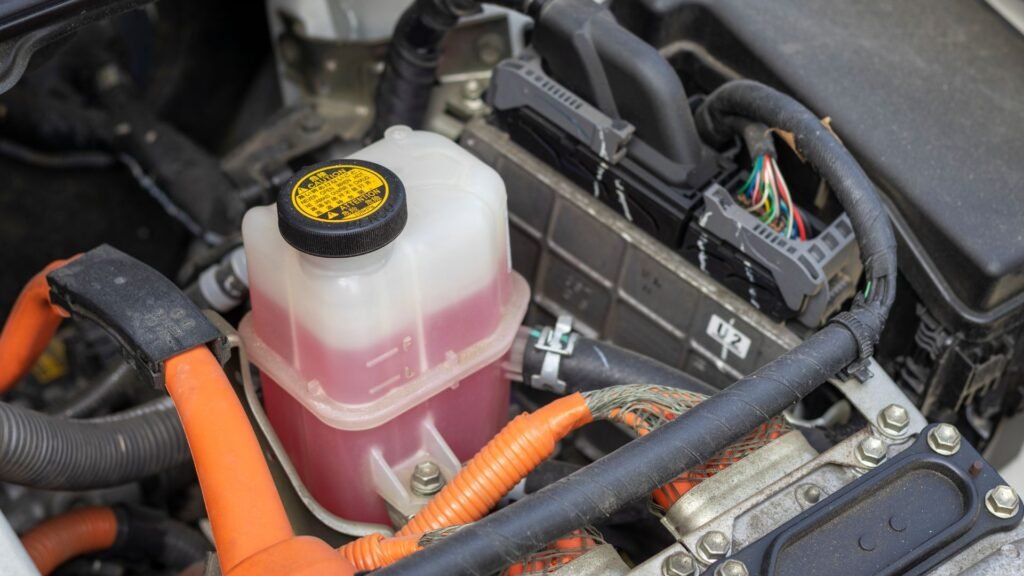
The coolant reservoir stores extra engine coolant as the fluid heats up and expands. It also helps maintain the right coolant supply as the engine cools. The system uses the reservoir to manage changes in fluid volume during normal operation.
The water pump moves coolant through the engine and radiator. Coolant absorbs heat from the engine and carries it to the radiator. Air moving through the radiator helps release that heat. The cooled fluid then returns to the engine to repeat the cycle.
As the engine warms, coolant takes up more space. The pressure control system sends excess fluid toward the reservoir. When the engine cools, the fluid contracts and may return to the cooling system. This process helps prevent coolant loss during normal temperature changes.
A coolant level that rises while driving is not always a fault. The concern starts when the tank spills fluid, the level keeps rising beyond its normal range, or coolant does not return after the engine cools.
Source: cartreatments.com
Recovery-style coolant reservoir
Some vehicles use a simple recovery bottle connected to the radiator by a small hose. The radiator pressure cap controls the flow of coolant into and out of the bottle as the engine heats and cools.
Pressurized expansion tank
Other vehicles use a pressurized expansion tank as part of the sealed cooling system. The pressure cap sits on this tank, and the tank has its own cold-level markings. These systems may not have a separate radiator cap.
Normal coolant expansion
Coolant expands as its temperature rises. The reservoir provides room for this change, so filling it beyond the correct cold level can leave too little space for expansion.
What Should the Coolant Level Be?
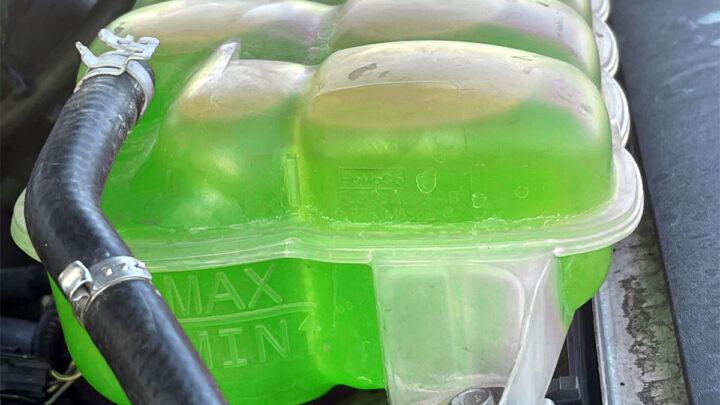
Check the coolant level when the engine is completely cold. Most reservoirs have MIN and MAX marks that show the safe range. The fluid should sit between these marks, according to the instructions for your vehicle.
Do not fill the reservoir to the brim. It needs room for the coolant to expand. Also, do not assume every vehicle uses the same filling point or level. Some systems require a separate filling procedure at the radiator or expansion tank.
If the level is below MIN when cold, check for leaks before adding coolant. Use the coolant type and mixture listed in your owner’s manual. Coolant color alone does not tell you whether two fluids are compatible.
Check when cold
A cold reading gives you a useful baseline and reduces the risk of burns.
Follow the correct marks
Use the level marks and filling instructions for your exact make, model, and engine.
Why Is My Coolant Reservoir Overflowing?
The main reason for coolant overflow is that more fluid or pressure enters the reservoir than the system can handle. This can happen because of a simple filling mistake or a serious cooling system fault. Finding the cause matters more than removing the extra fluid.
Start with the easiest checks. Think about whether the tank was recently filled, whether the car has overheated, and whether the problem started after a cooling system repair. These details can help narrow down the fault.
Source: cyberclubwear.co.uk
1. Overfilled coolant reservoir
Adding too much coolant is one of the simplest causes. If the fluid sits above the MAX mark when cold, normal expansion may push it out during a drive. Remove excess fluid only after the engine has cooled fully, and bring the level back to the correct mark.
2. Faulty radiator or expansion tank cap
The pressure cap helps control pressure inside the cooling system. It also helps coolant return from a recovery bottle in systems that use one. A worn seal, weak spring, damaged valve, or incorrect cap can release coolant too early or stop it from returning properly.
3. Engine overheating
An overheating engine makes coolant hotter and can raise system pressure. The excess pressure may force fluid into the reservoir and out through its vent or overflow hose. A thermostat, radiator, fan, water pump, or coolant leak may be behind the heat problem.
4. Stuck thermostat
The thermostat controls when coolant flows through the radiator. If it sticks closed, coolant cannot move through the radiator as it should. Engine temperature can rise quickly, which may force coolant into the reservoir.
5. Damaged or blocked radiator
A radiator must move coolant and release heat. Internal deposits, blocked passages, damaged fins, or external debris can reduce its ability to cool the engine. Poor heat transfer can lead to overheating and coolant overflow.
6. Weak or damaged water pump
The water pump keeps coolant moving through the engine. A damaged impeller, worn bearing, leaking seal, or failed pump can reduce circulation. This may cause overheating, coolant loss, and pressure problems.
7. Air trapped inside the cooling system
Air can remain in the system after a coolant change, hose repair, or leak. These air pockets can interrupt coolant flow and cause uneven heating. The result may be bubbling, sudden level changes, poor cabin heat, or overflow.
8. Blown head gasket or cracked cylinder head
A failed head gasket or cracked engine part can allow combustion gases to enter the coolant passages. These gases can create abnormal pressure and push coolant into the reservoir. This is a serious fault that needs proper testing.
9. Cooling fan failure
The radiator fan helps move air through the radiator when the car is stopped or moving slowly. A failed fan motor, relay, fuse, sensor, or wiring connection can reduce cooling at low speeds. The engine may then overheat and push coolant out.
Can a Bad Radiator Cap Cause Coolant Overflow?
Yes. A faulty pressure cap can cause coolant to escape even when the engine does not show clear signs of overheating. The cap must hold the pressure specified by the vehicle maker. If its seal or pressure valve fails, coolant may move into the reservoir too soon.
The cap also plays a role in coolant return on many recovery-style systems. A damaged vacuum valve or poor seal can stop coolant from returning as the engine cools. This may leave the radiator low while the reservoir still contains fluid.
Do not choose a replacement cap based only on its size. The pressure rating and design must match the vehicle. A cap with the wrong rating can create new cooling system problems.
Look for visible damage
A cracked seal, rust, corrosion, or damaged filler neck may affect the cap’s ability to seal.
Test the cap
A cooling system cap tester can check whether the cap opens and holds pressure at the correct rating.
Symptoms That Help Identify the Problem
The way coolant escapes can offer useful clues. A tank that overflows only after a long drive may have a heat or pressure problem. A tank that spills soon after a cold start may need a closer check for trapped air or combustion gases.
No single symptom proves that a specific part has failed. Use the signs below to guide further checks, not as a reason to replace parts without testing.
Source: hitchesguide.com
Coolant spills after a long drive
Possible causes include engine overheating, a weak pressure cap, a blocked radiator, or poor coolant circulation. The problem may become more visible after highway driving or climbing a long hill.
Coolant overflows in traffic
A cooling fan fault is one possibility. The radiator may not get enough airflow when the vehicle moves slowly or sits at a traffic light. A blocked radiator or other overheating problem can cause the same symptom.
Bubbles keep appearing in the reservoir
Air trapped after a repair can cause bubbling. A faulty cap or a combustion leak can also allow gas into the coolant. Persistent bubbling needs further testing, especially when it occurs with repeated overflow.
The coolant level rises and falls sharply
Air pockets, poor circulation, and pressure control faults may cause sudden level changes. Check whether the coolant returns to its normal cold level after the engine cools.
White smoke from the exhaust
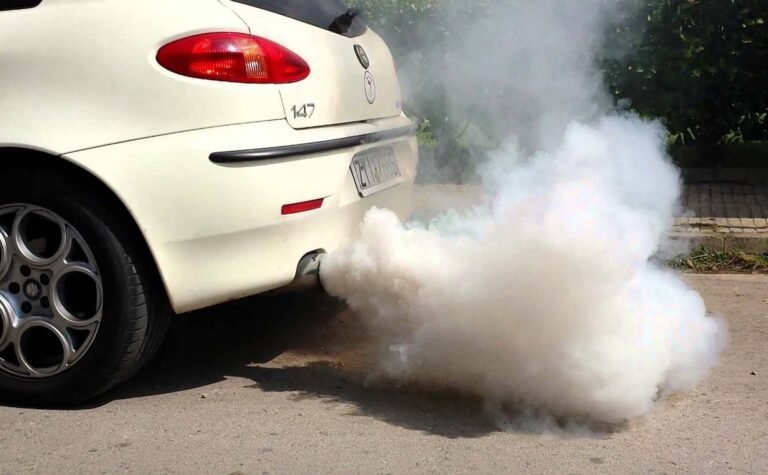
Thick white exhaust vapor that continues after the engine warms up, especially with coolant loss, may point to coolant entering the cylinders. Normal water vapor during a cold start is not enough to prove a head gasket failure.
Sweet smell near the engine
A sweet smell may come from leaking coolant. Check for wet areas, dried coolant marks, and drips around the radiator, hoses, water pump, and reservoir.
Poor cabin heat
Low coolant or trapped air can reduce hot coolant flow through the heater core. If the cabin heater suddenly blows cold while the engine temperature rises, stop driving and investigate the cooling system.
Milky oil or oily coolant
Oil and coolant may mix because of a failed head gasket, oil cooler, or another internal seal. This needs prompt inspection. Do not assume a head gasket is the only possible cause.
Does Bubbling Always Mean a Blown Head Gasket?
No. Bubbling can happen when air remains in the cooling system. It may also result from a faulty pressure cap, a leak, or coolant boiling because the engine is too hot. The pattern and timing of the bubbles matter.
Repeated bubbles, rapid pressure buildup, coolant loss without an obvious leak, and persistent white exhaust vapor raise concern about an internal leak. However, visual checks alone cannot confirm a head gasket problem.
A mechanic can use a combustion gas test to check for exhaust gases in the coolant. Other tests, such as a cylinder leak-down test, may help identify the source. These checks are more reliable than guessing from bubbles alone.
Occasional bubbles after service
Trapped air may be present if the cooling system was recently drained or repaired. Check the correct bleeding procedure for the vehicle.
Continuous bubbling with repeated overflow
Arrange professional testing for combustion gases and internal engine leaks.
How to Diagnose an Overflowing Coolant Reservoir
A safe diagnosis starts with a cold engine and a visual inspection. You do not need to remove parts or open a hot cooling system to look for basic warning signs. Leave pressure tests and internal engine checks to someone with the right tools and training.
Use the following sequence to narrow down the cause. Stop the process if the engine is hot, steam is escaping, or coolant is spraying from a hose or tank. The goal is to find the fault without creating a burn risk or causing more engine damage.
Source: themotorguy.com
Step 1: Stop the Engine and Let It Cool
If the temperature gauge rises above its normal range, pull over in a safe place and switch off the engine. Turn on your hazard lights if needed. Keep clear of steam and hot coolant.
Never remove the radiator cap or expansion tank cap while the engine is hot. Hot coolant is under pressure and can spray out with enough force to cause severe burns. Wait until the engine is completely cold before checking the system.
Do not open a hot cap
Wait for the entire cooling system to cool. Do not loosen the cap to release pressure.
Keep clear of moving parts
Cooling fans may start unexpectedly on some vehicles. Keep hands, tools, and clothing away from fan blades and belts.
Step 2: Check the Cold Coolant Level
Once the engine is fully cold, look at the reservoir level. Compare it with the MIN and MAX marks. If the fluid is above the maximum mark, previous overfilling may explain why coolant spills out during a drive.
If the level is below MIN, look for leaks before adding fluid. A low level may point to a leak or coolant loss from an earlier overheating event. Use the coolant type and mixture listed in the owner’s manual.
Above MAX
Remove excess coolant with a suitable siphon or extraction tool while the system is cold. Do not drain the tank below its required level.
Below MIN
Check for leaks and refill only with the correct coolant. A repeated drop means the system needs further diagnosis.
Step 3: Inspect the Reservoir, Hoses, and Connections
Look for cracks, wet spots, loose hose connections, and dried coolant stains. Check the reservoir seams, radiator area, hose joints, and visible water pump area. A small leak may leave a colored or chalky mark even when no fresh puddle is present.
Inspect the overflow hose for damage or blockage if it is accessible. A damaged return hose can prevent coolant from moving between the radiator and recovery bottle. Do not pull apart hot or pressurized connections.
Cracked reservoir
A split tank or damaged seam may leak as the coolant expands. Replace a damaged reservoir with the correct part.
Damaged hose
A loose, swollen, cracked, or leaking hose can cause coolant loss and overheating.
Dried coolant marks
Deposits near a joint or cap may show where coolant has escaped during an earlier drive.
Step 4: Check the Pressure Cap
Inspect the cap and its sealing surface when the system is cold. Look for a worn rubber seal, damaged threads, corrosion, or dirt that may stop the cap from sealing. Also inspect the filler neck for damage.
A visual check cannot confirm that the cap opens at the correct pressure. A cap tester can check its pressure rating and valve operation. The replacement must match the vehicle maker’s specified design and pressure rating.
Cap seal damage
A damaged seal can allow coolant to escape or prevent the system from holding pressure.
Wrong pressure rating
A cap with an incorrect rating may cause poor pressure control. Use the exact specification for the vehicle.
Step 5: Look for Signs of Overheating
Review the temperature gauge and warning lights from the time the problem occurred. Think about whether the engine overheats at idle, in slow traffic, during highway driving, or while climbing hills. These conditions can help a mechanic narrow down the problem.
A fan fault may become more noticeable when the vehicle is stopped. A blocked radiator, thermostat problem, or weak water pump can cause trouble under a wider range of driving conditions.
Do not place your hands near the radiator fan to see whether it works. A technician can check fan operation, electrical power, control signals, and coolant temperature with suitable tools.
Overheats in slow traffic
Check the cooling fan, fan relay, fuse, wiring, and fan control system.
Overheats at highway speed
Check for radiator restrictions, coolant flow problems, leaks, and thermostat faults.
Temperature changes suddenly
Air pockets, low coolant, sensor problems, or poor circulation may affect temperature readings.
Step 6: Check for Trapped Air
If the problem started after a coolant change, radiator replacement, or hose repair, trapped air may be the cause. Air pockets can interrupt coolant flow and cause unusual temperature changes. Some vehicles need a special bleeding process to remove all air.
Follow the vehicle-specific service procedure. Some systems use bleed screws, vacuum filling tools, or electronic procedures. Do not assume that removing the cap and running the engine is the correct method for every car.
Recent cooling system repair
Ask whether the system was filled and bled using the correct procedure.
Repeated air pockets
Look for an unresolved leak or another fault that may keep allowing air into the system.
Step 7: Request Professional Cooling System Tests
If basic checks do not reveal the cause, a repair shop can perform a cooling system pressure test. This test helps locate external leaks and checks whether the system can hold the specified pressure. A separate cap test checks the cap itself.
If the system still pushes coolant out, the technician may check for combustion gases in the coolant. Further tests can include a cylinder leak-down test, compression test, radiator flow check, thermostat assessment, and water pump inspection.
These tests help separate a simple pressure cap problem from a more serious internal engine fault. They also reduce the risk of replacing good parts without finding the real cause.
Cooling system pressure test
Helps locate leaks and identify pressure loss in the cooling system.
Combustion gas test
Checks whether exhaust gases are entering the coolant passages.
Temperature and flow checks
Help identify a blocked radiator, weak circulation, or a thermostat that is not working correctly.
How to Fix an Overflowing Coolant Reservoir
The correct repair depends on the failed part or condition. Removing coolant from an overflowing tank may clean up the mess, but it does not repair a faulty cooling system. Confirm the cause before replacing parts.
Some simple tasks are suitable for a careful owner. Other repairs need special tools and training. Never work on a hot cooling system or keep driving a vehicle that repeatedly overheats.
Source: youtube.com
Correct an overfilled reservoir
Let the engine cool completely. Use a clean extraction tool to remove excess coolant until the cold level matches the vehicle’s specified range. Keep the correct coolant mixture and avoid spilling fluid.
Replace a faulty pressure cap
Use a cap with the correct pressure rating and fitment. Check the filler neck and sealing surface as well, because a damaged neck can prevent a new cap from sealing.
Repair coolant leaks
Replace damaged hoses, clamps, seals, or a cracked reservoir as required. Check the radiator and water pump for leaks. Refill and test the system after the repair.
Replace a failed thermostat
Install the correct thermostat and gasket for the engine. Refill and bleed the cooling system according to the vehicle’s service procedure.
Repair radiator restrictions
A technician may recommend cleaning or replacing a radiator based on its condition and flow test. A radiator with serious internal damage may not respond to flushing.
Repair the water pump
Replace a leaking or damaged pump and inspect related belts, pulleys, seals, and drive parts. The exact repair depends on whether the vehicle uses a belt-driven or electric pump.
Fix a cooling fan fault
Test the fuse, relay, wiring, fan motor, temperature sensor, and control circuit. Replace only the failed component after testing.
Repair an internal engine leak
A confirmed head gasket failure or cracked cylinder head needs professional engine repair. Replacing the reservoir cap or adding a sealant will not provide a reliable repair for a damaged internal engine part.
What If the Reservoir Overflows Again After a Repair?
A repeat overflow means the original fault may not have been fully repaired. The system may still contain trapped air, have another leak, or suffer from poor coolant circulation. A new pressure cap cannot solve every cause of excessive pressure.
Check the cold coolant level again after the vehicle has cooled. If it keeps changing or coolant spills out during the next drive, stop using the vehicle and arrange a proper inspection. Ask the repair shop to test the system rather than replace another part without evidence.
Also confirm that the correct coolant was used and that the filling procedure matches the vehicle. Some engines need a specific bleeding process before they can maintain a stable coolant level.
Overflow after a coolant service
Check for trapped air, incorrect filling, and a leak that may have been missed.
Overflow after replacing the cap
Check the radiator, thermostat, fan, water pump, and possible internal engine leaks.
Is It Safe to Drive With an Overflowing Coolant Reservoir?
Driving with an actively overflowing coolant reservoir is not a safe choice. The system may be losing coolant or building too much pressure. Either condition can lead to overheating and serious engine damage.
If the temperature warning appears, steam comes from the engine bay, or coolant sprays onto the road, stop as soon as it is safe. Switch off the engine and arrange a tow. Do not try to reach home by adding coolant again and again.
A vehicle may appear to cool down after stopping, but that does not prove the problem has gone away. The engine may overheat again as soon as it is under load. Repeated overheating can damage the head gasket, cylinder head, or engine block.
If you find that the reservoir was simply filled above MAX while the engine was cold, and there are no signs of overheating or leaks, the excess may be the only issue. Correct the level when cold and monitor it. If the tank overflows again, have the cooling system checked before driving further.
Stop and arrange a tow
The engine temperature is in the red, a warning light is on, steam is escaping, coolant is spraying out, or the engine is losing fluid quickly.
Do not restart the engine
The vehicle has overheated severely, the coolant level is very low, or the engine makes unusual mechanical noises.
Arrange prompt inspection
The coolant level repeatedly rises above its normal range, bubbles continue to appear, or coolant disappears without a clear external leak.
Why You Should Not Ignore Coolant Overflow
Coolant carries heat away from the engine. When too much fluid escapes, the system may not have enough coolant to control engine temperature. This can turn a small leak into a much larger repair.
Hot coolant can also damage nearby plastic parts, hoses, wiring, and other components. Spilled coolant creates a hazard for people and animals. Clean up any spill safely and keep pets and children away from it.
Engine damage
Severe or repeated overheating can damage internal engine parts and sealing surfaces.
Loss of coolant
A tank that keeps spilling fluid may leave the engine with too little coolant.
Additional leaks
Excess pressure or heat can expose weak hoses, seals, and plastic connections.
How to Prevent Coolant Reservoir Overflow
Regular cooling system checks can help prevent many overflow problems. You do not need to wait for steam or a warning light before looking at the coolant level. A quick check when the engine is cold can reveal a change before it becomes a larger issue.
Follow the maintenance schedule in your owner’s manual. Coolant service intervals, fluid specifications, and filling methods differ between vehicles. Use the correct instructions rather than a general schedule that may not fit your engine.
Check coolant levels regularly
Inspect the reservoir when the engine is cold. Look for a gradual drop or a level that rises beyond the normal range.
Use the correct coolant
Choose the coolant specification approved for your vehicle. Do not mix fluids just because their colors look similar.
Avoid overfilling
Keep the cold level within the marked range. Leave enough room for normal fluid expansion.
Inspect hoses and connections
Look for cracks, swelling, loose clamps, wet areas, and dried coolant deposits during routine checks.
Maintain the radiator and fan
Keep the radiator area clear of leaves, dirt, and other debris. Have damaged fins, fan faults, and cooling problems checked.
Replace worn caps when needed
A pressure cap is a working part of the cooling system. Check it if the seal looks damaged or pressure problems appear.
Bleed the system after repairs
Use the correct filling and bleeding process after draining coolant or replacing cooling system parts.
Fix small leaks early
Do not keep adding coolant to hide a leak. Find the source and repair it before the engine loses more fluid.
Does Hot Weather Make Coolant Overflow More Likely?
Hot weather can place extra demand on the cooling system. Heavy traffic, long climbs, towing, and high outdoor temperatures can make it harder for the radiator to release heat. A weak cooling system may show problems under these conditions first.
However, warm weather alone should not make a healthy cooling system spill coolant. If the reservoir overflows during summer driving, look for an underlying fault. The radiator, fan, cap, thermostat, and water pump all deserve attention.
Before a long trip
Check the cold coolant level, look for leaks, and confirm that the temperature gauge works as expected.
During heavy traffic
Watch for rising engine temperature and cooling fan problems. Stop safely if the engine begins to overheat.
Frequently Asked Questions
Q
Why Does My Coolant Reservoir Overflow After Driving?
Coolant expands as the engine heats up, but it should remain within the system’s designed range. Overflow after driving may point to overfilling, a faulty pressure cap, overheating, a blocked radiator, or poor coolant circulation. A head gasket leak can also force combustion gases into the system.
Check the cold coolant level after the engine cools fully. If the problem happens again, arrange a pressure test and cooling system inspection.
Q
Can Too Much Coolant Make the Reservoir Overflow?
Yes. If the reservoir is filled above its maximum cold level, expanding coolant may have nowhere to go. Excess fluid can escape through the overflow outlet as the engine heats up.
Wait until the engine is completely cold. Remove the extra fluid with a suitable extraction tool and leave the level within the correct range. If overflow continues, another cooling system problem may be present.
Q
Why Is My Coolant Reservoir Bubbling but the Engine Is Not Overheating?
Bubbling without an obvious temperature rise can come from trapped air, a faulty pressure cap, or a leak. Combustion gases from a damaged head gasket can also enter the cooling system before the temperature gauge shows a clear problem.
Do not assume that the head gasket has failed based on bubbles alone. A combustion gas test and cooling system pressure test can help identify the cause.
Q
Should the Coolant Reservoir Be Full When the Engine Is Cold?
The reservoir should normally be between its MIN and MAX marks when cold, based on the vehicle manufacturer’s instructions. It does not need to be filled to the top. The space above the coolant allows for normal expansion as the engine warms.
Some vehicles use a different filling point or a pressurized expansion tank. Check your owner’s manual before adding fluid.
Q
Why Does My Coolant Reservoir Fill Up but the Radiator Stay Low?
A faulty pressure cap or return valve may stop coolant from flowing back into the radiator as the engine cools. A damaged or blocked recovery hose can cause a similar problem. An external leak or combustion gas entering the cooling system may also affect the fluid levels.
Do not open the radiator while it is hot. Once the engine is completely cold, a technician can inspect the cap, hose, radiator, and cooling system for leaks or pressure problems.
Q
Can I Keep Driving if the Coolant Reservoir Overflows Once?
It depends on what caused the overflow, but active coolant loss or overheating means you should stop driving. If the temperature gauge rises, steam appears, or coolant continues to spill, shut off the engine and arrange a tow.
If the tank was simply overfilled and the engine has no signs of overheating or leaks, correct the cold level and monitor it. Any repeat overflow needs a proper inspection.
✦ Wrapping Up
Conclusion
A coolant reservoir that overflows is a warning that your cooling system may not be controlling fluid level, temperature, or pressure correctly. Overfilling is a simple cause, but a faulty pressure cap, thermostat, radiator, water pump, cooling fan, trapped air, or damaged head gasket can create the same problem. Finding the real cause is the key to a lasting repair.
Begin with a cold-level check and a visual inspection for leaks. Use the coolant type and filling procedure listed in your owner’s manual. If the tank keeps overflowing, bubbles continuously, or loses coolant, arrange proper cooling system tests. Never open a hot pressure cap or keep driving an overheating vehicle.
💡 Key Takeaway
Let the engine cool completely, check the coolant level against the cold MIN and MAX marks, and inspect for visible leaks. If coolant continues to overflow or the engine overheats, stop driving and have a qualified mechanic test the pressure cap, cooling system, and possible internal engine leaks.
About john Adword
John Adword has tested and reviewed car seat covers and interior accessories for 5 years, evaluating fit, material performance, and long-term wear across a range of vehicles and climates. His testing approach follows the same methodology used across car Reviewer Plus's product reviews — hands-on installation, real-world use, and comparison against manufacturer claims — with an ongoing focus on tracking new seat cover materials and cooling technology as they come to market.