A suspension clicking noise usually comes from a worn or loose joint, sway bar link, strut mount, control arm part, or nearby steering component. Repeated clicking during slow turns can also point to a damaged CV joint. The sound pattern and when it occurs help narrow down the cause.
Drivers across the United States face many road conditions that can affect their car’s suspension. Deep potholes, rough city streets, gravel roads, speed bumps, and uneven highway surfaces all place stress on suspension parts. Over time, these parts can wear, loosen, or lose their ability to move as designed. A small clicking sound may be the first sign of trouble.
A click from under the car does not always mean the suspension itself has failed. Steering joints, wheel bearings, brake hardware, and front axle parts can make similar sounds. For example, a repeated click during a tight turn may point to an outer CV joint. A single click over a bump may have a different cause.
The best way to find the source is to note when the noise happens, where it seems to come from, and whether the car also changes its handling. This guide explains the common causes, simple checks, repair options, and warning signs that need prompt attention. It also explains which checks are safe to do at home and which should be left to a trained mechanic.
Source: enginediary.com
What Does a Suspension Clicking Noise Mean?
A suspension clicking noise is a repeated or single sharp sound that seems to come from the area around a wheel, axle, or suspension assembly. It may happen when the car moves over bumps, turns, brakes, or shifts its weight. The sound can be light and quick, or loud enough to hear inside the cabin.
Your suspension allows the wheels to move up and down while the body stays stable. It uses parts such as springs, shocks, struts, control arms, ball joints, and sway bar links. These parts work together to keep the tires in contact with the road.
Many suspension parts use rubber bushings or moving joints. These parts reduce vibration and allow controlled movement. When they wear out or become loose, two metal parts may move against each other and create a click or knock.
The sound alone cannot prove which part has failed. A mechanic must check the related parts and recreate the noise under safe conditions. This matters because a worn steering joint, a damaged axle joint, and a loose suspension link need different repairs.
Single click
One sharp sound during a bump, turn, or change in direction may come from a loose mount, joint, fastener, or brake part.
Repeated clicking
A series of clicks that follows wheel rotation may point to a CV joint, wheel-related part, or another rotating component.
Clicking over bumps
This pattern can indicate worn sway bar links, loose mounts, damaged bushings, or ball joint movement.
Clicking while steering
Steering joints, strut bearings, CV joints, and other front-end parts should be checked.
Why the Timing of the Noise Matters
The timing gives a useful clue. A noise that appears only when one wheel crosses a bump may involve a part that moves with that wheel. A sound that repeats as the wheel turns may involve a rotating joint. A click that happens when you turn the steering wheel while parked may involve the steering system or upper strut mount.
These clues help narrow the inspection. They do not replace a physical check, since one damaged part can sometimes make more than one type of noise.
Common Causes of a Suspension Clicking Noise
Several parts can create a clicking sound when they become worn, loose, or damaged. Some affect ride comfort, while others help control the direction and position of the wheels. The following causes are useful starting points for diagnosis.
Source: mechanictimes.com
Worn sway bar links
Loose link joints can click or knock when the suspension moves over uneven roads or when the vehicle leans during a turn.
Damaged ball joints
A worn ball joint can develop excess movement and make clicking or knocking sounds as the wheel moves.
Worn control arm bushings
Damaged rubber bushings can allow unwanted control arm movement and create sharp noises during braking, turning, or bumps.
Loose strut or shock mounts
A worn mount or loose attachment can allow the suspension assembly to move and make a clicking or knocking sound.
Damaged CV joints
An outer CV joint may make repeated clicking sounds during sharp turns, especially when the car moves slowly.
Loose suspension fasteners
A loose bolt or nut can allow parts to shift under load and create a click, knock, or rattle.
1. Worn or Loose Sway Bar Links
Sway bar links connect the stabilizer bar to the suspension. The stabilizer bar helps reduce body roll when the car turns. The links must move with the suspension while keeping the connection secure.
The joints inside these links can wear over time. Their rubber boots may also crack and allow dirt or water to enter. This can create unwanted movement and noise.
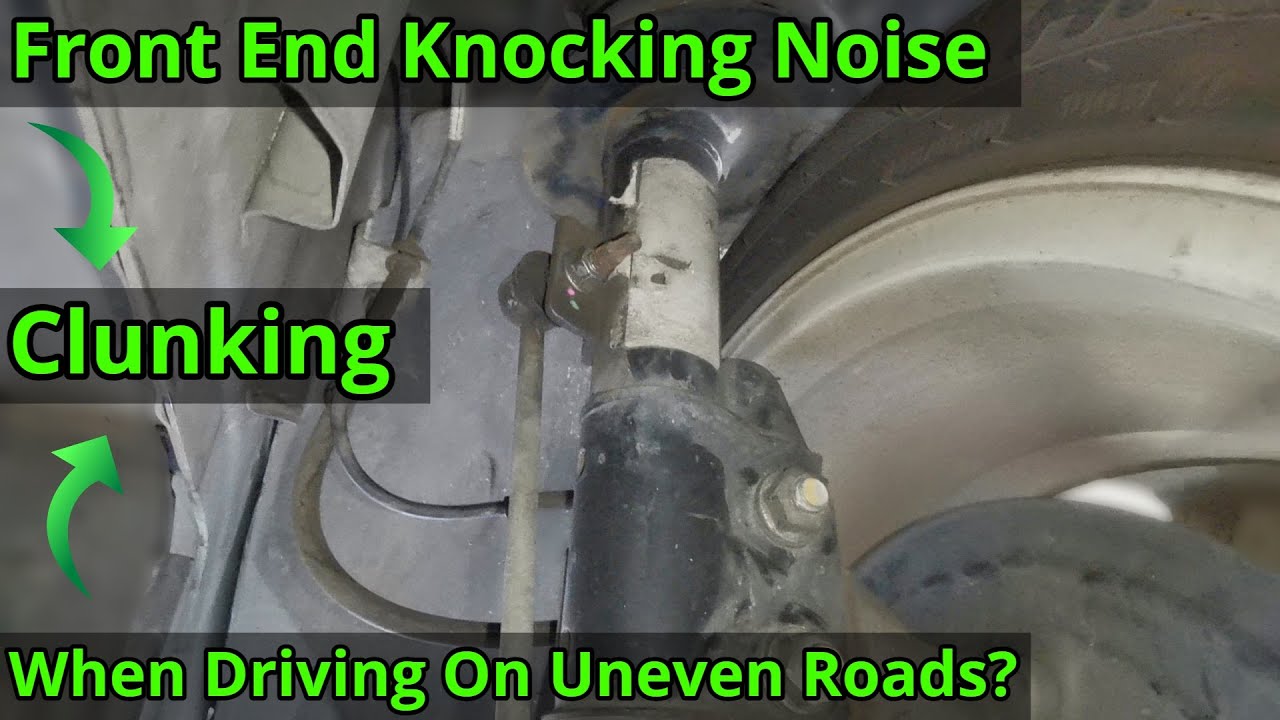
A common sign is a light clicking or knocking sound over small bumps. The sound may come from the front or rear, depending on the vehicle design. It can become easier to hear on roads with many small surface changes.
A mechanic can inspect the link joints, boots, and attachment points. If a joint has excess play or the link is damaged, replacement is usually the correct repair. Tightening a loose fastener may help when the fastener itself is the problem, but it will not repair a worn joint.
Common clues
Clicking over small bumps, loose link movement, damaged rubber boots, or a light front-end rattle.
Repair
Replace a worn or damaged link and inspect the stabilizer bar bushings and mounting points.
2. Worn Ball Joints
Ball joints connect the control arms to the steering knuckles. They allow the wheels to move with the suspension while the steering system changes their direction. They are important parts of both suspension movement and steering control.
A worn ball joint may click, knock, or creak as the suspension moves. The noise can become more noticeable when driving over bumps or turning into a driveway. Some vehicles may also show uneven tire wear or loose steering.
A damaged protective boot can allow grease to escape and dirt to enter. This can speed up wear inside the joint. However, a torn boot alone does not prove that the joint has excessive play.
A technician should check the joint using the correct method for that vehicle. Some ball joints need to be tested with the suspension loaded, while others require a different setup. If the joint has unsafe play, replace it according to the vehicle service procedure.
Warning signs
Clicking over bumps, steering changes, uneven tire wear, damaged boots, or visible joint movement.
Repair
Replace the faulty ball joint or the approved control arm assembly, then check wheel alignment when required.
3. Damaged Control Arm Bushings
Control arms help keep the wheels in their correct position as the suspension moves. Rubber bushings connect the control arms to the vehicle frame or subframe. They absorb vibration and allow controlled movement.
Age, heat, road impacts, and repeated suspension movement can damage these bushings. The rubber may crack, split, soften, or separate from its metal sleeve. This can allow the control arm to move more than it should.
A clicking or knocking noise may occur when you brake, accelerate, or drive over uneven roads. You may also notice a change in steering feel. In some cases, the car may pull or the tires may wear unevenly.
A mechanic should inspect the bushings for separation and excess movement. Some designs allow separate bushing replacement. Others require a complete control arm assembly. The correct option depends on the vehicle and the manufacturer’s repair procedure.
Common clues
A click during braking, a knock over bumps, unstable steering, or uneven tire wear.
Repair
Replace the damaged bushing or complete control arm as required by the vehicle design.
4. Loose or Damaged Strut Mounts
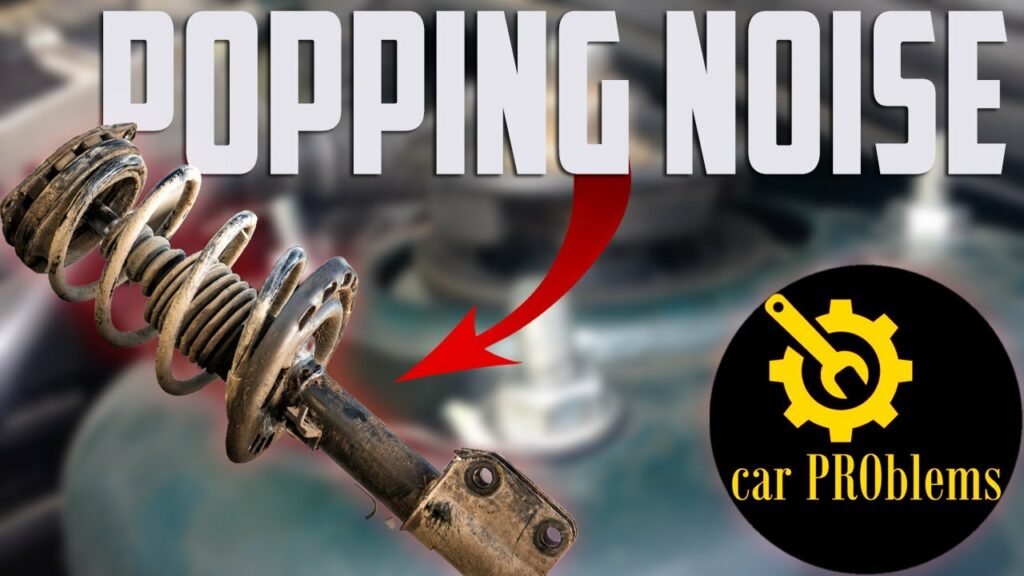
Strut mounts connect the upper part of a strut assembly to the vehicle body. Many front strut mounts also contain a bearing that allows the strut to turn with the steering system.
A worn mount, damaged bearing, or loose attachment can create a click when the steering wheel moves. It may also make noise when the suspension compresses over a bump. Some drivers hear the sound near the top of the front wheel well.
A failed mount may also cause rough steering movement or vibration. A damaged bearing can make the steering feel uneven as the wheel turns. These symptoms need inspection because the mount supports part of the suspension assembly.
A technician should check the mount, bearing, fasteners, and surrounding rubber. Replacement may require removal of the strut assembly. Since coil springs store significant energy, spring removal should be handled with the correct tools and training.
Common clues
Clicking while turning, noise over bumps, uneven steering movement, or visible mount damage.
Repair
Replace the damaged mount or bearing and inspect the strut and spring before reassembly.
5. Worn Outer CV Joints
A constant velocity joint, or CV joint, transfers engine power to the driven wheels while allowing the axle to move with the suspension and steering. Front-wheel-drive and many all-wheel-drive vehicles use CV joints.
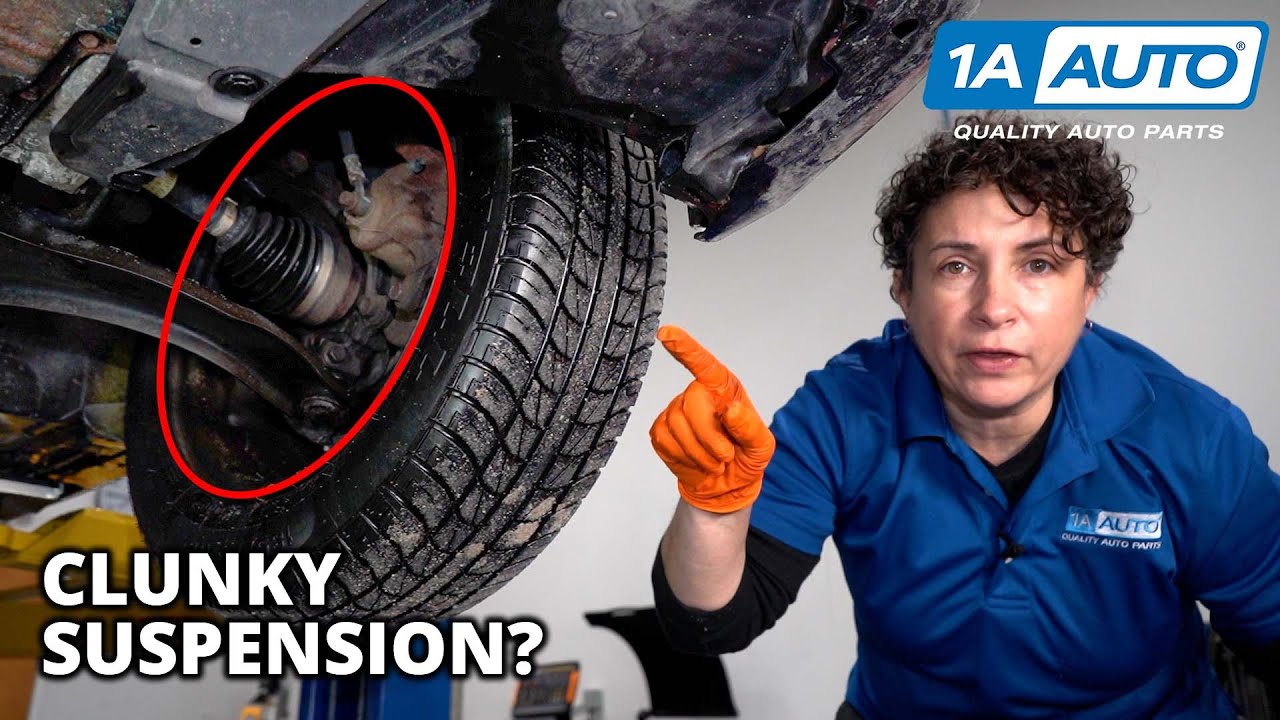
An outer CV joint often makes a repeated clicking sound during a tight turn. The noise may be easier to hear when moving slowly in a parking lot with the steering near full lock. It can become louder as the joint wears.
The protective rubber boot keeps grease inside and dirt outside. When the boot tears, grease may escape and road dirt can enter. This can damage the joint over time.
Look for grease splashes near the inside of a wheel or around the axle boot. This is a useful clue, but it does not confirm the full condition of the joint. A mechanic should inspect the boot, axle, and joint before choosing a repair.
Do not assume that every clicking sound during a turn comes from the suspension. A repeated click that follows wheel rotation is a strong reason to inspect the CV axle and drivetrain.
Common clues
Repeated clicking during tight turns, a torn CV boot, or grease around the axle and wheel area.
Repair
Replace the damaged CV joint or axle assembly based on the vehicle’s service requirements.
6. Loose Suspension Bolts and Fasteners
Suspension parts rely on correctly fitted bolts, nuts, and mounting hardware. These fasteners hold the control arms, struts, links, and other parts in position. If one becomes loose, the connected part may shift as the vehicle moves.
This movement can create a sharp click or knock. The noise may occur during braking, turning, or crossing a bump. It can also appear after suspension work if a fastener was not tightened to the required specification.
A technician should inspect the related mounting points and check the fasteners against the vehicle manufacturer’s torque specifications. Simply tightening every bolt as hard as possible is not safe. Excessive torque can damage threads or parts, while incorrect tightening can affect suspension movement.
Common clues
A sudden noise after suspension repair, a click when the vehicle changes direction, or visible movement at a mounting point.
Repair
Inspect the affected connection and use the correct fastener and torque specification.
Other Problems That Can Sound Like Suspension Clicking
Not every noise near a wheel comes from the suspension. Several nearby systems can create a similar sound. Checking these systems can prevent an unnecessary suspension repair.
The brake system, wheel hardware, steering system, and drivetrain all operate close to the suspension. Their parts may move or change load when the car turns, stops, or crosses a bump.
Source: 1aauto.com
Loose brake hardware
A loose brake pad fitting, clip, or other brake component may click as the wheel turns or the brakes are applied.
Loose wheel hardware
Loose lug nuts or wheel mounting problems can create noise and may allow dangerous wheel movement.
Tie rod ends
Worn inner or outer tie rod ends can create clicking or knocking and may cause steering looseness.
Wheel bearings
A damaged wheel bearing more often creates humming or growling, but looseness or damage may produce other noises.
Loose heat shields
A loose exhaust heat shield can rattle or click when the vehicle vibrates.
How to Tell Suspension Noise From Brake Noise
Pay attention to whether the noise changes when you press the brake pedal. A click that appears during braking may come from brake pad hardware or another brake component. A suspension noise may remain when the vehicle moves over bumps without braking.
This is only a clue. Braking also changes the load on suspension bushings and control arms, so a suspension fault may become louder during a stop. A mechanic should inspect both systems if the source is unclear.
How to Tell a CV Joint Noise From a Suspension Click
A worn outer CV joint often makes a repeated clicking sound during a slow, tight turn. The sound may follow the rotation of the wheel. A loose suspension joint may make a single click or knock as the wheel moves over a bump.
The difference is not absolute. A damaged suspension part can also click during turns. A complete inspection of the axle, steering, and suspension helps identify the real cause.
How to Diagnose a Suspension Clicking Noise
The best diagnosis starts with simple observations and ends with a physical inspection of the suspected parts. You do not need to remove suspension components to gather useful information. A clear description of the sound can help a repair shop narrow down the problem.
Before checking anything, park on a level surface and keep people away from moving wheels. Do not crawl under the car or reach into a wheel well while the engine is running or the vehicle is moving.
Source: richsautobodyshop.com
Step 1: Record when the noise happens
Note whether the click occurs during turns, bumps, braking, acceleration, or while driving straight.
Step 2: Identify the general location
Try to determine whether the sound comes from the front, rear, left, or right side without placing yourself near moving parts.
Step 3: Note the sound pattern
Record whether the sound is a single click, repeated clicking, a metallic knock, or a continuous rattle.
Step 4: Look for visible damage
With the vehicle parked and switched off, look through the wheel openings for obvious torn boots, damaged parts, or grease around an axle.
Step 5: Check for other symptoms
Notice steering looseness, pulling, vibration, uneven tire wear, or a change in ride height.
Step 6: Arrange a professional inspection
Ask the technician to inspect the suspension, steering, brakes, wheel hardware, and CV joints as needed.
Safe Checks You Can Perform at Home
A basic visual check can help you find obvious problems. Park the car on firm, level ground, switch off the engine, and apply the parking brake. Let hot parts cool before looking near the wheels.
Look for a torn CV boot, grease on nearby parts, a visibly broken spring, or a part that appears out of place. Check the tires for unusual wear or visible damage. These checks can reveal clues, but they cannot confirm that a joint is safe.
You can also review the vehicle manual for warning lights and maintenance instructions. If the vehicle has a recent repair history, note whether the clicking began after that work. This detail may help the shop focus its inspection.
Use a flashlight
A flashlight can help you see damaged rubber boots, loose-looking parts, or grease around the wheel area.
Record the sound
A short recording made from a safe location may help a technician understand the noise.
Avoid unsafe lifting
Never place any part of your body under a vehicle supported only by a jack. Use rated jack stands on approved support points or leave the work to a professional.
Professional Suspension Inspection
A repair shop can inspect the vehicle on a suitable lift. The technician may check ball joints, tie rod ends, sway bar links, control arm bushings, strut mounts, and suspension fasteners. The exact checks depend on the vehicle design and the noise pattern.
A dry park test may help locate front suspension and steering noises. In this test, a technician observes the steering and suspension while another person moves the steering wheel. The vehicle must be supported using suitable shop equipment.
The technician may also check wheel play, inspect the CV boots, and examine brake hardware. If the source remains unclear, a controlled road test may help recreate the sound. The goal is to confirm the faulty part before replacing anything.
Signs of a useful diagnosis
The technician identifies the affected component, explains the inspection findings, and connects the repair recommendation to the actual fault.
If the noise cannot be reproduced
Provide details about road conditions, steering position, speed, and temperature. The shop may need another inspection under the conditions that cause the sound.
Suspension Clicking Noise Under Different Driving Conditions
The driving condition can help separate one possible cause from another. The table below provides diagnostic clues, not final diagnoses. Several damaged parts can produce the same sound.
Clicking Noise When Turning
A repeated click during a slow, sharp turn often points to an outer CV joint. This is especially worth checking when the sound follows wheel rotation. A torn CV boot or grease around the wheel can provide another clue.
If the sound happens when turning the steering wheel while parked, inspect the steering joints and upper strut mounts as well. A mechanic should check the entire front assembly before deciding which part needs replacement.
Clicking Noise Over Bumps
A click over potholes, speed bumps, or rough roads may come from a sway bar link, ball joint, control arm bushing, or strut mount. The suspension moves quickly as the wheel rises and falls. Worn joints may allow unwanted movement during this process.
A loose underbody shield or brake fitting can also make noise on rough roads. A full inspection helps prevent the wrong part from being replaced.
Clicking Noise When Braking
Braking transfers weight toward the front of the vehicle. This changes the load on control arms, bushings, and other suspension parts. A worn component may click as the vehicle slows down.
Brake hardware can create a similar sound. If the noise occurs with brake vibration, grinding, pulling, or a change in pedal feel, have the brake system checked promptly.
Clicking Noise During Acceleration
Acceleration places a different load on the drivetrain and suspension. A clicking sound may come from a CV joint, axle connection, or worn mount. The exact source depends on the vehicle’s drivetrain layout.
If the click becomes faster with vehicle speed, tell the technician. This may help distinguish a rotating part from a component that moves mainly when the suspension compresses.
Clicking Noise While Driving Straight
A click that occurs while driving straight may come from loose wheel hardware, brake components, a damaged joint, or another rotating part. Pay attention to whether the sound changes with road speed.
A wheel-related clicking sound should not be ignored. If you suspect a loose wheel or notice wobbling, stop in a safe place and arrange professional assistance.
What Repairs Fix a Suspension Clicking Noise?
The correct repair depends on the component that has failed. Replacing a sway bar link will not fix a damaged CV joint. Likewise, tightening a loose fastener will not repair a worn ball joint.
A repair shop should confirm the cause before ordering parts. The technician should also inspect nearby parts that may have been affected by the same wear or impact.
Source: mechanictimes.com
Replace worn sway bar links
Install the correct replacement links and inspect their mounting points and stabilizer bar bushings.
Replace damaged ball joints
Use the approved joint or control arm assembly and follow the correct installation procedure.
Repair control arm bushings
Replace the damaged bushings or the complete control arm, depending on the design.
Replace faulty strut mounts
Inspect the strut, spring, bearing, and mount before completing the repair.
Repair damaged CV joints
Replace the failed joint or axle assembly and inspect the axle boot and related parts.
Correct loose hardware
Replace damaged fasteners when needed and tighten all connections to the specified torque.
Does Suspension Repair Require Wheel Alignment?
Some suspension repairs can change wheel alignment. Replacing control arms, ball joints, tie rod ends, or certain strut parts may affect wheel angles. Other repairs may not change alignment settings.
Ask the repair shop whether an alignment check is needed after the work. Follow the vehicle manufacturer’s service guidance rather than assuming every suspension repair requires the same procedure.
Correct alignment helps the tires meet the road at the intended angles. It can also help prevent uneven tire wear and unwanted pulling.
Why Replacing Only the Noisy Part Matters
Replacing parts without confirming the fault can waste money and leave the original noise in place. A click may travel through the frame, making the source seem farther away from its actual location.
A good repair plan should explain what failed, how the shop confirmed it, and whether nearby parts need attention. This is more useful than replacing several parts based on a guess.
Can You Drive With a Suspension Clicking Noise?
Whether you can keep driving depends on the cause and the other symptoms. A light click from a loose trim part may not affect handling. A damaged ball joint, tie rod end, wheel connection, or other load-bearing part can create a serious safety risk.
Do not treat a new clicking sound as harmless just because the car still moves. Some suspension faults develop slowly, while others become worse after a pothole or impact. Arrange an inspection as soon as possible.
Stop driving if steering becomes unstable
A sudden change in steering control, severe looseness, or a wheel that appears to wobble needs immediate attention.
Stop if a wheel appears unsafe
If a wheel looks tilted, loose, or out of position, do not continue driving.
Stop after a severe suspension impact
A broken spring, damaged tire, leaking part, or sudden change in ride height may make the vehicle unsafe.
Seek immediate help for brake symptoms
Grinding, reduced braking, a soft pedal, or pulling during braking requires prompt brake inspection.
Arrange prompt inspection for persistent clicking
Even when handling seems normal, repeated clicking can indicate a joint or mounting problem that needs repair.
When Is Towing the Safer Choice?
Towing is the safer choice if the steering feels loose, the wheel moves abnormally, a suspension part appears broken, or the vehicle cannot track straight. It is also sensible when you hear loud metal-on-metal noises or suspect loose wheel hardware.
Do not attempt a road test to see whether a serious noise gets worse. A failure in a steering or suspension joint can affect your ability to control the vehicle. Arrange roadside assistance or a tow to a qualified repair shop.
How to Prevent Future Suspension Clicking Problems
Regular inspections can help identify worn suspension parts before they create larger problems. No suspension component lasts forever, but good driving habits and timely repairs can reduce unnecessary stress.
Road conditions in the United States vary widely. Potholes in northern states, rough rural roads, construction areas, and uneven city streets can all place extra stress on suspension parts. Drivers should pay attention to new noises after a hard impact.
Source: storage.googleapis.com
Inspect suspension parts regularly
Ask for checks of ball joints, sway bar links, bushings, struts, and steering joints during routine maintenance.
Avoid potholes when safe
Slow down and choose a safe path around deep potholes and damaged road surfaces.
Maintain correct tire pressure
Follow the tire pressure listed on the vehicle’s door label. Correct pressure supports normal handling and tire wear.
Fix damaged rubber boots
Have torn CV and joint boots inspected before dirt and moisture cause more damage.
Check new noises after repairs
If a clicking sound starts after suspension work, return to the shop and request a review of the affected parts and fasteners.
Keep wheels and tires in good condition
Inspect tires for damage and uneven wear, and make sure wheel hardware receives proper service.
Why Routine Inspections Matter
A suspension inspection can reveal cracked bushings, damaged boots, loose connections, and worn joints. Finding these problems early may prevent additional wear to nearby components.
Follow the maintenance schedule in your owner’s manual. If you regularly drive on rough roads or carry heavy loads, ask a technician whether your driving conditions call for more frequent inspections.
Common Mistakes When Diagnosing Suspension Clicking
A clicking sound can tempt drivers to replace the part they suspect first. This approach can lead to unnecessary repairs. A careful diagnosis is more useful because several parts may create the same noise.
Assuming every turn-related click is a suspension fault
A repeated click during tight turns can come from a CV joint. Check the drivetrain as well as the suspension.
Ignoring loose wheel hardware
Wheel mounting problems can be dangerous. Check for signs of a loose wheel before focusing on less urgent causes.
Spraying lubricant on every joint
Lubricant may not be suitable for sealed joints or rubber parts. It can also hide the sound without fixing the fault.
Replacing parts based only on sound
Sound travels through vehicle structures. Confirm the source with a physical inspection.
Ignoring changes in handling
Loose steering, pulling, or unstable handling can indicate a more serious problem than noise alone.
Working under a car with only a jack
A jack can move or fail. Use approved stands and support points or let a professional perform the inspection.
Why Temporary Noise Reduction Is Not a Repair
A sound may become quieter after a part is sprayed or adjusted. This does not prove that the worn component is safe. Internal wear, damaged rubber, or excess joint movement may remain.
The correct repair must address the source of the movement. Ask the technician to explain the fault and show the damaged part when practical.
Use this comparison to organize the symptoms before visiting a repair shop. These patterns are common diagnostic clues, not guaranteed results.
Clicking over small bumps
Possible causes include sway bar links, ball joints, bushings, strut mounts, or loose hardware.
Repeated clicking during tight turns
Inspect the outer CV joints and axle boots, along with steering and suspension parts.
Clicking while braking
Inspect brake pad hardware, control arm bushings, ball joints, and related mounting points.
Clicking when steering while parked
Inspect the upper strut bearing, steering joints, tie rods, and steering rack connections.
Clicking with loose steering
Check ball joints, tie rod ends, steering connections, and wheel hardware promptly.
Clicking with grease around the wheel
Inspect the CV boot and joint for damage and grease loss.
What Information Should You Give the Mechanic?
A clear description can save diagnostic time. Tell the technician whether the noise comes from the front or rear, and whether it happens at low or high speeds. Mention the road surface and steering position when the sound occurs.
Also report any recent tire, brake, alignment, or suspension work. Tell the shop if the car recently hit a pothole or curb. These details can help the technician recreate the problem and select the right inspection steps.
Vehicle information
Provide the make, model, year, mileage, and drivetrain type.
Noise details
Describe the sound, location, speed, and driving condition.
Share details about recent work, impacts, and previous suspension problems.
Frequently Asked Questions
Q
Why does my suspension make a clicking noise over bumps?
A clicking noise over bumps may come from worn sway bar links, ball joints, control arm bushings, strut mounts, or loose suspension hardware. These parts move as the wheels travel over uneven surfaces. Wear or excess movement can create a sharp sound.
A mechanic should inspect the suspension and nearby brake hardware to confirm the cause. Do not assume that the sway bar link is faulty based on noise alone.
Q
Why does my car click when turning slowly?
Repeated clicking during slow, tight turns often points to a worn outer CV joint. The sound may become more noticeable when the steering wheel is turned near full lock. A torn CV boot or grease around the wheel can provide another clue.
Other possible causes include strut bearings, ball joints, and steering joints. A proper inspection is needed before replacing any part.
Q
Can a bad ball joint cause a clicking noise?
Yes. A worn ball joint can develop excess movement and create clicking or knocking as the suspension moves. You may also notice uneven tire wear, loose steering, or changes in vehicle handling.
A ball joint is an important suspension and steering connection. If you suspect a damaged joint, arrange an inspection promptly. Do not continue driving if the wheel or steering feels unstable.
Q
Is a suspension clicking noise dangerous?
It can be dangerous, depending on the faulty part. A loose trim piece may only create noise, but a damaged ball joint, tie rod end, wheel connection, or suspension mount can affect vehicle control.
Stop driving if the steering becomes loose, a wheel wobbles, the vehicle pulls sharply, or a suspension part appears broken. Arrange towing if the vehicle may be unsafe.
Q
Can I fix a suspension clicking noise myself?
You can perform basic visual checks while the car is parked safely. Look for torn CV boots, grease around the wheels, visible damage, or unusual tire wear. Recording the noise can also help a mechanic.
Replacing ball joints, strut mounts, and other loaded suspension parts requires suitable tools and correct procedures. Coil springs can store dangerous energy. If you lack the required equipment and training, leave these repairs to a qualified technician.
Q
Why does my suspension click after a repair?
A clicking noise after suspension work may indicate a loose fastener, incorrectly fitted part, damaged mounting point, or an unrelated component that was not repaired. It may also mean the original diagnosis did not identify every source of the noise.
Return to the repair shop and explain when the sound occurs. Ask for an inspection of the recently serviced parts and their mounting hardware. The technician should use the correct vehicle specifications when checking fasteners.
✦ Wrapping Up
Conclusion
A suspension clicking noise can come from several parts around the wheels. Worn sway bar links, ball joints, control arm bushings, strut mounts, and loose fasteners are possible causes. A repeated click during a tight turn may also point to a worn CV joint.
The most useful clue is when the sound happens. Clicking over bumps, during braking, while steering, and during acceleration can point to different systems. However, these clues do not confirm a failed part. A physical inspection is the best way to find the source.
Pay close attention to changes in steering, braking, tire wear, and vehicle stability. A damaged suspension or steering connection can affect control. If the vehicle feels unstable or a wheel appears loose, stop driving and arrange professional help.
Regular inspections, correct tire pressure, and careful driving over potholes can help reduce suspension wear. When a new clicking sound appears, investigate it early rather than waiting for the problem to become worse.
💡 Key Takeaway
Record when and where the clicking happens, check for visible damage while the vehicle is parked safely, and arrange a suspension, steering, brake, and CV joint inspection. Do not drive if steering or wheel stability is affected.
About john Adword
John Adword has tested and reviewed car seat covers and interior accessories for 5 years, evaluating fit, material performance, and long-term wear across a range of vehicles and climates. His testing approach follows the same methodology used across car Reviewer Plus's product reviews — hands-on installation, real-world use, and comparison against manufacturer claims — with an ongoing focus on tracking new seat cover materials and cooling technology as they come to market.