How Spoilers Affect Vehicle Aerodynamics is a common question among car owners, racers, and enthusiasts. A spoiler is not only a visual upgrade. It is an aerodynamic device that changes how air moves over and around a vehicle.
From my experience studying automotive design, the biggest difference comes from balance. A good spoiler helps keep the tires connected to the road, especially during high-speed driving. A poor spoiler setup can add drag without creating meaningful benefits.
What Is a Car Spoiler and How Does It Work?
A car spoiler is a body component designed to control airflow around a vehicle. It usually sits on the rear of a car, but some vehicles also use front spoilers or side aerodynamic parts.
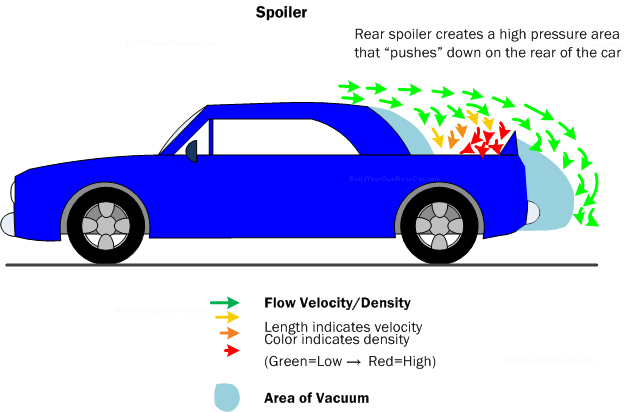
The main goal of a spoiler is to reduce unwanted airflow effects. As a car moves faster, air pressure changes around the body. A spoiler helps direct this air in a way that improves vehicle behavior.
- ✦ Airflow Control
A spoiler changes the direction of moving air to reduce turbulence and improve vehicle stability.
- ✦ Downforce Creation
Many spoilers push the rear of the car downward, increasing tire grip.
- ✦ Better Balance
A properly designed spoiler helps balance front and rear aerodynamic forces.
Why Airflow Matters at Higher Speeds
At low speeds, a spoiler has little effect because airflow pressure is limited. As speed increases, air becomes a stronger force that can affect handling.
This is why performance cars often use spoilers. The aerodynamic changes become more noticeable during highway driving, track use, or racing conditions.
How Spoilers Create Downforce and Improve Grip
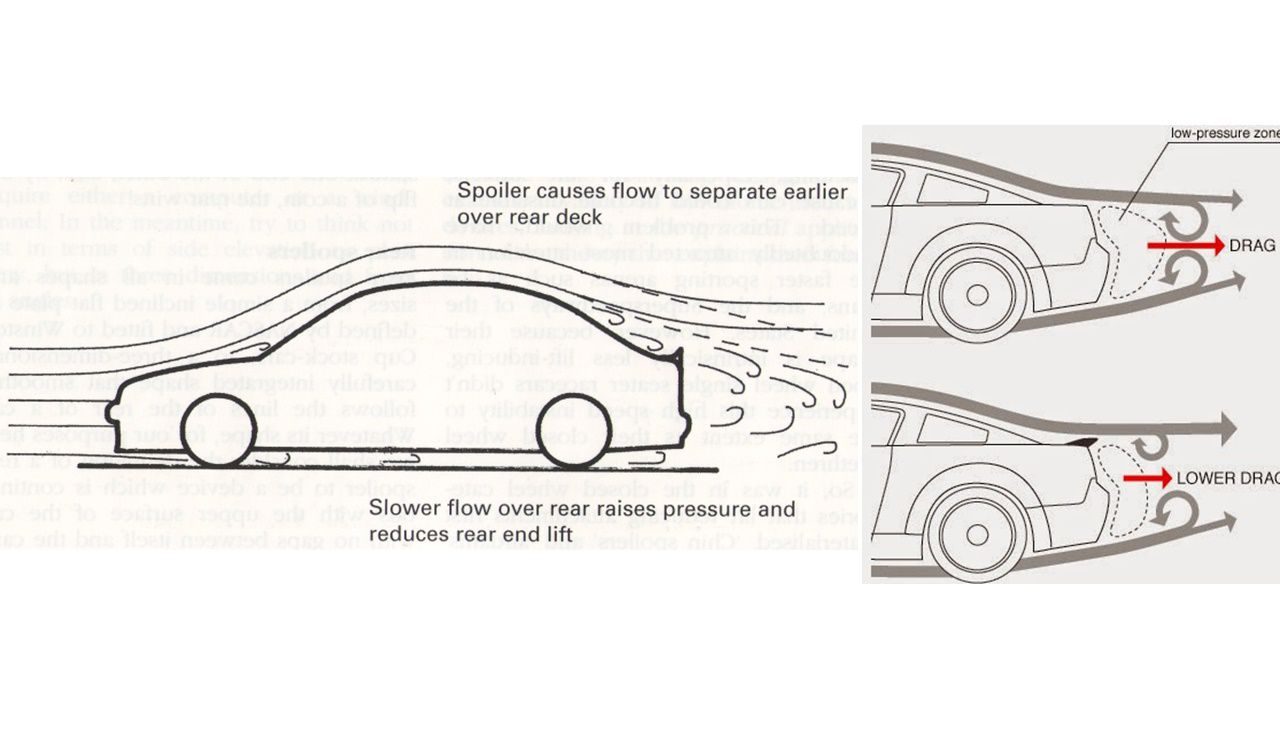
One of the most important answers to How Spoilers Affect Vehicle Aerodynamics is understanding downforce. Downforce is a downward force that pushes the tires closer to the road.
More tire contact can improve cornering ability and stability. This helps drivers maintain control when turning at higher speeds.
- ✦ Improved Cornering
A spoiler can increase rear tire grip, helping a vehicle stay stable through turns.
- ✦ Higher-Speed Stability
Downforce reduces unwanted lifting forces that may affect vehicle control.
The Relationship Between Downforce and Tire Grip
Tires create grip through contact with the road surface. When a spoiler increases downward pressure, the tires may generate more traction.
However, more downforce is not always better. Too much aerodynamic force can increase drag and reduce efficiency.
How Spoilers Affect Drag and Fuel Efficiency
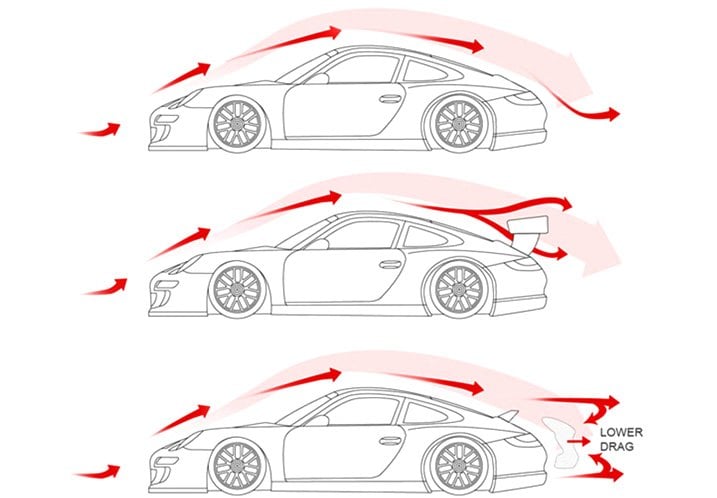
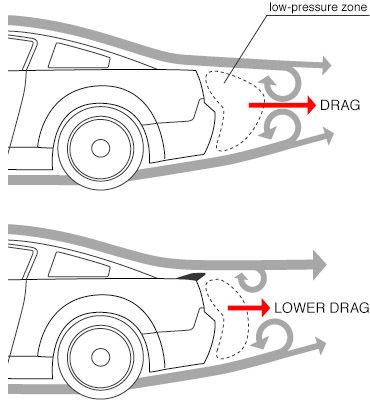
While spoilers can improve handling, they can also increase aerodynamic drag. Drag is the resistance created when air pushes against a moving vehicle.
The effect depends on the spoiler design. A factory spoiler is usually tested to balance performance and efficiency, while aftermarket parts may create unnecessary resistance.

- ✦ Small Spoilers
Small spoilers often improve airflow without creating large amounts of drag.
- ✦ Large Wings
Large racing wings create strong downforce but usually increase drag.
- ✦ Daily Driving Impact
Most drivers notice small changes because normal road speeds limit aerodynamic effects.
Finding the Right Aerodynamic Balance
Engineers design spoilers by balancing downforce, drag, and stability. A spoiler that creates too much drag can reduce fuel economy and top speed.
The best design supports the vehicle’s purpose. A commuter car, sports car, and race car all need different aerodynamic solutions.
Different Types of Spoilers and Their Aerodynamic Effects
Different spoiler designs affect vehicle aerodynamics in different ways. Shape, placement, and angle all change how air moves across the vehicle.
Understanding these differences helps car owners choose the right spoiler for their goals.

- ✦ Lip Spoilers
Lip spoilers are small extensions that improve airflow with minimal visual change.
- ✦ Rear Wings
Rear wings create stronger downforce and are common on performance vehicles.
- ✦ Roof Spoilers
Roof spoilers manage airflow from the top of hatchbacks and SUVs.
Factory Spoilers vs Aftermarket Spoilers
Factory spoilers are designed with the complete vehicle in mind. Manufacturers test them with suspension, tires, and body shape.
Aftermarket spoilers can improve performance, but only when matched correctly to the vehicle and driving needs.
How Spoilers Affect Vehicle Handling and Safety
How Spoilers Affect Vehicle Aerodynamics also connects directly to handling. A stable vehicle responds better during braking, cornering, and quick direction changes.
Many performance vehicles use spoilers because aerodynamic stability supports driver confidence. The benefit becomes clearer during demanding driving conditions.
- ✦ Reduced Rear Lift
A spoiler can reduce the tendency of the rear end to become light at speed.
- ✦ Improved Driver Control
Better aerodynamic balance can make steering feel more predictable.
Why Racing Cars Use Large Spoilers
Race cars operate at speeds where aerodynamic forces become extremely important. Large wings create strong downforce to improve lap performance.
These designs are usually not needed for normal street driving because they may create unnecessary drag.
Common Mistakes When Installing Car Spoilers
Many drivers install spoilers mainly for appearance. However, aerodynamic parts work best when engineers consider the entire vehicle design.
A spoiler that looks aggressive may not provide real performance benefits. Correct installation and proper sizing are important.
- ✦ Choosing Style Over Function
A visually large spoiler may create little useful aerodynamic improvement.
- ✦ Incorrect Angle Setup
Wrong spoiler angles can create extra drag or reduce stability.
- ✦ Ignoring Vehicle Design
Every vehicle has unique airflow patterns that affect spoiler performance.