The most common signs of a rich-running engine are black exhaust smoke, strong gasoline odors, poor fuel economy, rough idling, sluggish acceleration, fuel-fouled spark plugs, and a Check Engine light. The problem occurs when the engine burns too much fuel compared with the available air.
For drivers across the United States, a car that suddenly uses more gas, smells like gasoline, or sends black smoke from its tailpipe can signal a fuel mixture problem. The issue can affect daily commuters, family SUVs, pickup trucks, and older gasoline-powered cars. It may start with a small drop in gas mileage and grow into a serious engine or exhaust problem.
A rich-running engine receives more fuel than it needs for the amount of air available during combustion. Modern vehicles use sensors and an engine control module to manage this balance. When a sensor sends incorrect data, an injector leaks, or fuel pressure rises too high, the system may deliver too much fuel. Some problems also keep the engine in a cold-start fuel mode for too long.
Recognizing the early signs can help prevent damage to spark plugs, engine oil, and the catalytic converter. However, a rich mixture is not always caused by a bad oxygen sensor or fuel injector. A proper diagnosis should begin with trouble codes, live sensor readings, and fuel trim data rather than replacing parts based on symptoms alone.
Source: mechanicbase.com
What Does It Mean When an Engine Runs Rich?
An engine runs rich when the air-fuel mixture contains more fuel than the engine needs for its current operating conditions. A gasoline engine needs the correct balance of air and fuel to burn efficiently. Too much fuel can leave some gasoline unburned during combustion.
Most modern gasoline engines use electronic fuel injection. The engine control module, also called the ECM or PCM, uses sensor data to decide how much fuel each injector should deliver. It adjusts fuel delivery as engine speed, temperature, load, and driving conditions change.
For many conventional gasoline engines, the ideal stoichiometric air-fuel ratio is close to 14.7 parts air to one part gasoline by mass. This is a useful reference for pure gasoline, not a universal target for every fuel blend or operating condition. Ethanol blends and engine operating modes can change the required ratio.
A rich mixture may be normal for a short time during a cold start or under certain high-load conditions. The concern begins when excessive fueling continues after the engine should have returned to normal operation.
Normal cold-start enrichment
A cold engine needs extra fuel to start and run smoothly. This extra fuel should decrease as the engine warms up.
Persistent rich operation
The engine continues receiving excessive fuel after reaching normal operating temperature. This can cause poor mileage, rough running, and excess exhaust emissions.
Incomplete combustion
Some of the fuel does not burn fully. This can produce soot, fuel odors, misfires, and deposits inside the engine and exhaust system.
Rich Mixture vs. Lean Mixture
A rich mixture contains too much fuel compared with the available air. A lean mixture contains too little fuel for the available air. Both conditions can affect engine performance, but they produce different fuel trim patterns.
A rich condition usually causes the engine computer to reduce injector delivery. A lean condition usually causes it to add fuel. Understanding this difference helps prevent incorrect repairs.
Rich mixture
Excess fuel, negative fuel trims, possible black smoke, fuel odor, and poor fuel economy.
Lean mixture
Insufficient fuel or excess air, positive fuel trims, possible hesitation, and increased combustion temperature under some conditions.
10 Common Rich Running Engine Symptoms
The signs can appear one at a time or together. Some drivers first notice that they need to visit a gas station more often. Others see black smoke, smell gasoline, or notice that the engine shakes at a stoplight.
No single symptom confirms excessive fueling. A worn ignition part, oil leak, exhaust problem, or mechanical fault can create similar signs. Look for several matching symptoms and confirm the condition with diagnostic data.
Source: mechlesson.com
1. Black smoke from the exhaust
Black or dark gray smoke can appear when gasoline does not burn completely. It often points to excess fuel or poor combustion. A small amount of dark soot on an older exhaust system is not enough to confirm a rich condition. Persistent visible black smoke deserves prompt inspection.
2. Strong gasoline smell
You may notice a raw fuel smell from the exhaust, especially after starting the engine or while idling. This can happen when excess gasoline passes through the combustion process without burning fully. A gasoline smell under the hood may instead indicate a fuel leak, which creates a fire risk.
3. Poor fuel economy
The vehicle may use more gasoline than usual during the same commute or driving routine. Excess fuel delivery increases consumption without providing a matching increase in useful engine power. Compare fuel economy over several fill-ups before drawing a conclusion.
4. Rough engine idle
The engine may shake, vibrate, or run unevenly while the vehicle is stopped. Excess fuel can make combustion less stable and foul the spark plugs. A vacuum problem, ignition fault, or worn engine part can also cause rough idle.
5. Sluggish acceleration
The vehicle may respond slowly when you press the accelerator. Excess fuel can reduce combustion efficiency and cause the engine to feel weak. The problem may become more noticeable when merging onto a highway or climbing a hill.
6. Difficult engine starting
A leaking injector or excessive fuel pressure can add too much gasoline before or during startup. The engine may crank longer than normal or struggle to start after sitting. A flooded engine can also produce a strong fuel odor.
7. Spark plug fouling
Spark plugs may develop dry black carbon deposits when the engine burns an excessively rich mixture. These deposits can weaken spark performance and cause misfires. However, black plugs can also result from weak ignition or other combustion problems.
8. Increased exhaust emissions
Excess fuel can raise hydrocarbon emissions and increase the workload of the catalytic converter. A vehicle may fail an emissions inspection in areas where testing is required. The exact result depends on the vehicle and the local testing program.
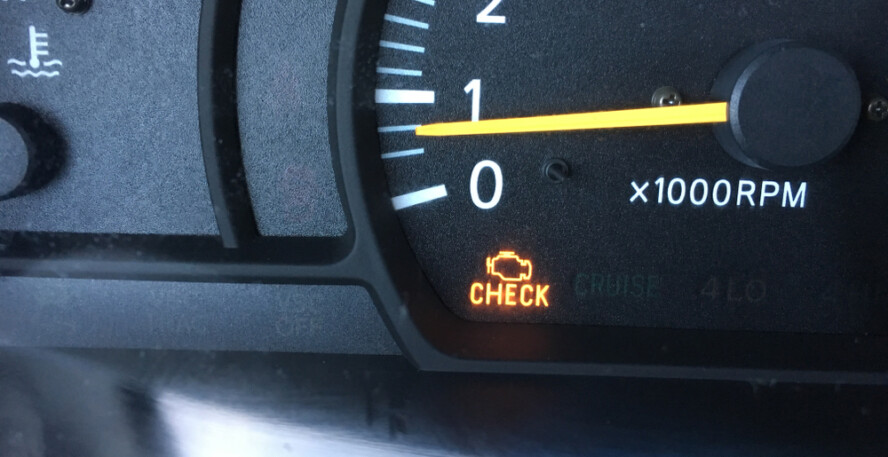
9. Check Engine light
The Check Engine light may turn on when the computer detects fuel correction outside its allowed range. Codes P0172 and P0175 are common examples. Other sensor, injector, or misfire codes may appear at the same time.
10. Gasoline smell in engine oil
Excess fuel can pass the piston rings and mix with the engine oil. The oil may smell strongly of gasoline, become thinner, or show an unusual rise in level. This is a serious sign because diluted oil cannot protect engine parts as well as it should.
Which Symptoms Need Immediate Attention?
A mild drop in fuel economy needs investigation, but a raw gasoline leak is more urgent. Fuel can ignite if it reaches a hot exhaust part or an electrical spark. Do not keep driving to see whether the smell goes away.
A flashing Check Engine light usually indicates an active misfire that may damage the catalytic converter. Severe shaking, visible fuel leakage, smoke from the engine bay, or an oil level that rises with a gasoline smell also requires prompt attention.
Stop driving
Do this if you see leaking fuel, smell strong raw gasoline around the engine bay, or notice smoke or a severe misfire.
Arrange a professional inspection
Have the vehicle checked if the Check Engine light flashes, the oil smells like gasoline, or engine performance drops sharply.
What Causes an Engine to Run Rich?
A rich condition can develop when the engine receives too much fuel, receives incorrect air measurement data, or cannot control combustion correctly. Several parts work together to manage the mixture, so a fault in one area can affect the whole system.
Manufacturer diagnostic information lists possible causes such as faulty airflow sensors, fuel injectors, incorrect fuel pressure, coolant temperature sensors, air temperature sensors, and purge control faults. The exact list and testing order depend on the vehicle. 【turn796586view1】
Source: mechanicbase.com
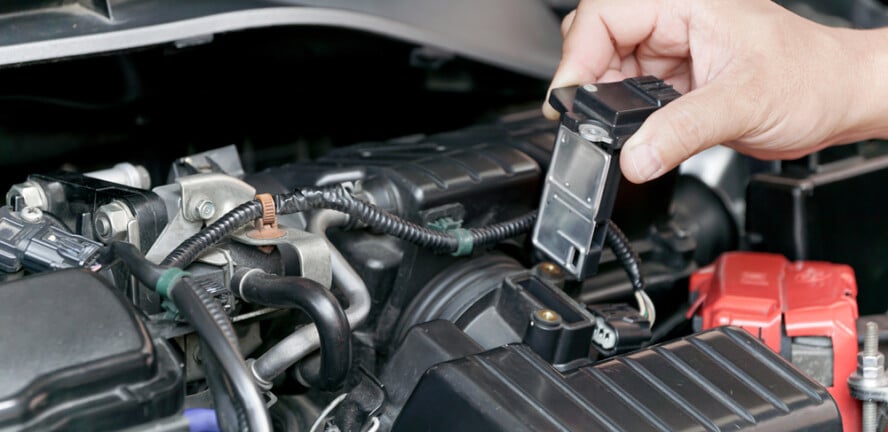
Faulty mass airflow sensor
The mass airflow sensor measures the air entering the engine. If it reports more airflow than the engine actually receives, the computer may command too much fuel. Dirt, damaged wiring, poor connections, or sensor failure can affect its readings.
Faulty oxygen or air-fuel ratio sensor
The upstream oxygen or air-fuel ratio sensor helps the computer judge the mixture from exhaust oxygen levels. An incorrect signal may cause the computer to make the wrong fuel correction. A rich code alone does not prove that this sensor has failed.
Leaking fuel injector
An injector that does not close properly can continue to release fuel when it should stop. This may make one cylinder run rich or affect the whole engine, depending on the fault. A leaking injector can also cause difficult starts and fuel dilution in the oil.
Excessive fuel pressure
Fuel pressure above the manufacturer’s specification can increase the amount of gasoline delivered through the injectors. A faulty pressure regulator, restricted return line, or pressure-control problem may cause this condition.
Faulty engine coolant temperature sensor
The coolant temperature sensor tells the computer how warm the engine is. If it reports a colder temperature than the actual one, the computer may keep adding extra fuel. This can lead to a rich mixture even after the engine is fully warm.
Thermostat stuck open
A thermostat that remains open can prevent the engine from reaching its normal operating temperature. The engine management system may continue using extra cold-engine enrichment. A temperature gauge that stays unusually low can provide a useful clue.
Faulty EVAP purge valve
The evaporative emissions system stores fuel vapor in a charcoal canister. The purge valve controls when that vapor enters the engine for burning. If the valve stays open at the wrong time, excess fuel vapor can enter the intake and upset the mixture.
Incorrect MAP sensor readings
The manifold absolute pressure sensor helps the computer estimate engine load. Incorrect pressure data can cause the computer to calculate the wrong fuel delivery. A damaged sensor, wiring fault, or blocked pressure passage may be involved.
Restricted air intake
A severely blocked air filter or damaged intake system can reduce the air available to the engine. This is a simple area to inspect, although it should not automatically be treated as the cause of every rich condition.
Ignition system problems
Weak spark plugs, ignition coils, or damaged wires can prevent the engine from burning fuel properly. The resulting misfire may create fuel odors and dark deposits that resemble a rich condition. The ignition system should be checked before assuming that the fuel system is at fault.
Can a Faulty MAF Sensor Cause Excess Fuel Consumption?
Yes. A MAF sensor that overestimates incoming air can cause the engine computer to inject more fuel than the engine needs. This may lead to poor fuel economy, rough idle, dark exhaust, and negative fuel trim values.
The sensor should be checked through live data and wiring inspection. Cleaning it may help if contamination is the problem, but cleaning cannot repair an electrical fault or a damaged sensing element. Use only a cleaner approved for the sensor and follow the vehicle manufacturer’s instructions.
Check the intake duct
Look for cracks, loose clamps, damaged connectors, and signs of water or dirt entering the airflow system.
Compare airflow readings
A technician can compare MAF data with engine speed, load, and manufacturer specifications to identify readings that do not make sense.
How to Diagnose a Rich-Running Engine
The best way to diagnose excessive fuel delivery is to combine the driver’s symptoms with trouble codes, fuel trim readings, and physical tests. A code reader can provide a starting point, but it cannot identify every failed part.
Start with basic checks before moving to fuel pressure or injector testing. This approach saves time and reduces the chance of replacing a working sensor. Manufacturer service procedures may require special tools and exact operating conditions.
Step 1: Check all diagnostic trouble codes
Connect an OBD-II scanner and read stored, pending, and related codes. Record freeze-frame information before clearing anything. P0172 indicates a rich condition on bank 1, while P0175 indicates a rich condition on bank 2.
Step 2: Inspect the air intake
Check the air filter, intake duct, MAF connector, vacuum hoses, and related wiring. Look for obvious damage, contamination, or loose electrical connections.
Step 3: Check engine temperature data
Compare the coolant temperature reading with the actual engine condition. A fully warmed engine should not continue showing an implausibly cold reading. Check the thermostat if the engine itself remains too cool.
Step 4: Review fuel trim values
Use a scan tool to check short-term and long-term fuel trims after the engine enters closed-loop operation. Sustained negative values suggest that the computer is removing fuel because the exhaust feedback indicates an overly rich mixture.
Step 5: Compare readings at different engine speeds
A technician can compare fuel trims at idle and at steady engine speeds, such as 1,500 and 2,500 RPM, when permitted by the service procedure. The way the readings change can help narrow down the fault. Fuel trim analysis across different operating conditions is a documented diagnostic method. 【turn582123view2】
Step 6: Test fuel pressure
Measure fuel pressure with the correct equipment and compare the result with the vehicle’s service specifications. High pressure may point toward a regulator, return-line, or pressure-control problem.
Step 7: Check injectors and EVAP operation
Injector leak-down, balance testing, and purge-valve checks can help locate unwanted fuel delivery. These tests require the correct procedure for the vehicle.
Step 8: Check ignition performance
Inspect spark plugs, coils, and related circuits when the engine misfires or runs unevenly. A weak spark can imitate some signs of excessive fueling.
Step 9: Verify the repair
After fixing the confirmed cause, run the engine under the required conditions and check the fuel trims again. Confirm that the original symptoms have improved and that the fault does not return.
How to Read Short-Term and Long-Term Fuel Trims
Fuel trim shows how much the engine computer changes its planned fuel delivery to maintain the desired mixture. Short-term fuel trim, or STFT, changes quickly in response to sensor feedback. Long-term fuel trim, or LTFT, records learned corrections over time.
Negative fuel trim means the computer is reducing fuel. Positive fuel trim means it is adding fuel. A rich condition often produces negative values, but the size and behavior of the correction must be compared with the vehicle manufacturer’s specifications.
For example, suppose a scanner shows strongly negative fuel trims on both engine banks. That pattern can suggest a problem affecting the whole engine, such as excessive fuel pressure or incorrect temperature data. If only one bank shows a large negative correction, the problem may be limited to that side, such as a leaking injector or bank-specific sensor issue.
There is no single negative percentage that proves a fault on every vehicle. Mitsubishi’s published diagnostic procedure for one engine uses its own closed-loop conditions and specific fuel trim thresholds. Those values should not be copied as universal limits for other vehicles. 【turn796586view1】
Negative STFT and LTFT
The computer is trying to remove fuel. Check for excessive fuel pressure, leaking injectors, incorrect airflow data, and other rich-condition causes.
Positive STFT and LTFT
The computer is trying to add fuel. Investigate possible unmetered air, low fuel delivery, or incorrect sensor feedback rather than assuming the engine runs rich.
Different readings between banks
A large difference can help locate a fault on one side of a V-type engine. Check bank-specific sensors, injectors, and exhaust conditions.
What Do P0172 and P0175 Codes Mean?
P0172 means System Too Rich, Bank 1. P0175 means System Too Rich, Bank 2. Bank 1 is the side containing cylinder number one. Bank 2 is the opposite side on an engine with two cylinder banks.
These codes describe a detected mixture problem. They do not automatically mean that the oxygen sensor, MAF sensor, or fuel injector needs replacement. The computer may be detecting the result of a fault elsewhere in the system.
Some vehicles can also run rich without storing either code. The fault may not meet the manufacturer’s detection conditions, may occur only in certain operating modes, or may involve a system that the computer cannot fully monitor.
P0172
The fuel trim system has detected an excessively rich mixture on bank 1.
P0175
The fuel trim system has detected an excessively rich mixture on bank 2.
Additional trouble codes
Related MAF, coolant temperature, injector, oxygen sensor, or misfire codes can help narrow down the cause.
How a Faulty Thermostat Can Make an Engine Run Rich
A thermostat that stays open can keep the engine cooler than its normal operating range. The engine control system may then continue using additional fuel intended for a cold engine. This can increase fuel consumption and affect emissions.
A faulty coolant temperature sensor can create a similar result even when the engine is physically warm. The difference is that a thermostat changes actual engine temperature, while a faulty sensor sends incorrect temperature information to the computer.
Watch the temperature gauge during normal driving. If the engine takes much longer than usual to warm up or the gauge remains below its normal position, have the cooling system checked. Do not open a hot radiator or coolant reservoir to inspect it.
Source: themotorguy.com
Temperature stays too low
A stuck-open thermostat may prevent normal engine warm-up.
Temperature reading is incorrect
A faulty sensor or wiring problem may tell the computer that a warm engine is still cold.
Fuel use increases
Longer periods of cold-engine enrichment may increase gasoline consumption.
How to Check for a Thermostat or Temperature Sensor Problem
A scan tool can show the coolant temperature reported to the engine computer. After an overnight cold soak, this reading should be reasonably close to the surrounding air temperature. As the engine warms up, the reading should rise in a way that agrees with the vehicle’s specifications.
If the reading is incorrect, inspect the sensor circuit and wiring before replacing the sensor. If the scan data matches the actual temperature but the engine stays too cool, investigate the thermostat and cooling system.
Check cold-start readings
Compare coolant temperature and intake air temperature before starting a cold engine.
Watch warm-up behavior
Check whether coolant temperature reaches and maintains the normal range for the vehicle.
Can a Rich-Running Engine Damage Your Vehicle?
Yes. Long-term excessive fueling can damage several engine and exhaust parts. The risk depends on how rich the mixture is, how long the vehicle operates that way, and whether the problem also causes misfires.
The catalytic converter is one of the main concerns. Unburned fuel entering the exhaust can burn inside the converter and raise its temperature. Excessive heat can damage the internal material and reduce its ability to control emissions.
Fuel can also wash protective oil from cylinder walls and pass into the crankcase. This can thin engine oil and reduce its ability to protect bearings and other moving parts. A rising oil level or strong gasoline smell in the oil should never be ignored.
Spark plugs may collect carbon deposits and stop firing correctly. That can create a cycle in which poor combustion causes more misfires, more unburned fuel, and additional exhaust problems. 【turn796586view0】【turn582123view0】
Source: carservicecosts.com
Catalytic converter damage
Excess unburned fuel can overheat the converter and damage its internal structure.
Cylinder wall wear
Excess gasoline can wash away the protective oil film and increase friction between moving parts.
Engine oil dilution
Fuel entering the crankcase can thin the oil and reduce its ability to protect the engine.
Spark plug damage and fouling
Carbon deposits can weaken the spark and create repeated misfires.
Higher emissions
Poor combustion can increase harmful exhaust emissions and lead to an emissions inspection failure where testing applies.
Should You Keep Driving With a Rich Mixture?
It is better to avoid unnecessary driving until the cause is known. A mild condition with no fuel leak or severe misfire may allow a short trip to a repair shop, depending on the vehicle manufacturer’s guidance. However, continued driving can make a small problem more expensive.
Do not drive if gasoline is leaking, the engine is shaking severely, the Check Engine light is flashing, or the oil smells strongly of fuel and its level is rising. Shut the engine off in a safe place and arrange professional help.
Avoid driving
Stop if there is a visible fuel leak, strong raw gasoline odor under the hood, or severe engine misfire.
Seek prompt diagnosis
Arrange an inspection for persistent black smoke, poor performance, or a steady Check Engine light.
Rich Mixture or Burning Oil: How to Tell the Difference
Black exhaust smoke and blue exhaust smoke point toward different problems. A rich gasoline engine may produce black or dark soot because excess fuel is not burning fully. An engine that burns oil often produces blue or blue-gray smoke instead.
Worn valve stem seals, piston rings, or cylinder wear can allow engine oil into the combustion chamber. This oil burns with the fuel and creates a different type of exhaust smoke. The vehicle may also use engine oil between changes.
A valve seal leak does not automatically mean the engine is running rich. This distinction matters because replacing a fuel sensor will not repair an oil-burning problem, and replacing valve seals will not correct excessive fuel delivery.
White smoke also needs a separate diagnosis. Thin white vapor during a cold start may be normal condensation. Thick, persistent white smoke with coolant loss may point toward a cooling system or internal engine problem.
Black smoke
May indicate excessive fuel or incomplete gasoline combustion, especially when paired with poor fuel economy and negative fuel trims.
Blue smoke
Often indicates that engine oil is entering the combustion chamber and burning.
Persistent thick white smoke
May indicate coolant entering the combustion chamber, particularly when accompanied by coolant loss or overheating.
No visible smoke
Does not rule out a rich condition. Modern exhaust systems may reduce visible signs, and some rich problems are detected first through fuel trim data.
Why Spark Plug Color Is Not Enough
Dry black deposits on spark plugs can support a rich-mixture diagnosis. However, a weak ignition coil, incorrect spark plug heat range, repeated short trips, and mechanical problems can also create deposits.
Compare all plugs and look for differences between cylinders. A single heavily fouled plug may point toward a cylinder-specific injector or ignition problem. Several similarly affected plugs may suggest a condition that affects the whole engine.
One affected plug
Investigate the matching injector, ignition coil, wiring, and cylinder condition.
Several affected plugs
Check shared fuel pressure, sensor readings, and engine management data.
Rich Running Problems in Older Carbureted Engines
Older carbureted vehicles use a different fuel delivery system from modern fuel-injected cars. A carburetor uses fuel passages, jets, a float, and a choke to control the air-fuel mixture. Mechanical problems in these parts can cause excessive fuel delivery.
A choke that stays closed after warm-up can restrict incoming air and create an overly rich mixture. A stuck float or leaking needle valve can also allow too much fuel into the carburetor bowl. These faults may cause black smoke, fuel odors, rough idle, and poor mileage.
Carbureted motorcycles and older American cars can show similar symptoms, although their adjustment procedures differ. Do not apply modern fuel trim diagnosis to a carbureted engine that does not have an electronic fuel injection system.
Source: motorcycleguidelines.com
Choke stuck closed
The choke continues restricting airflow after the engine should be warm.
Incorrect float level
The carburetor bowl holds too much fuel, which can cause excess delivery through the fuel circuits.
Leaking needle valve
Fuel may continue entering the carburetor bowl after it should stop.
Incorrect jet or mixture adjustment
A previous repair or modification may have changed fuel delivery beyond the engine’s requirements.
How to Check a Carbureted Engine
First, check whether the choke opens fully after the engine warms up. Inspect the linkage and return mechanism for sticking or damage. Next, check for fuel leaks around the carburetor and inspect the float and needle valve using the correct service procedure.
Carburetor adjustments should follow the manufacturer’s specifications. Turning mixture screws without checking the underlying fault may hide the problem instead of fixing it.
Check choke movement
Confirm that the choke opens correctly as the engine warms.
Inspect fuel control parts
Look for a sticking float, damaged needle valve, or leaking fuel connection.
Common Diagnostic Mistakes to Avoid
A rich condition can involve several systems, so replacing the first suspected part is not a reliable repair method. A good diagnosis looks at the complete pattern of symptoms and the information stored by the vehicle computer.
Several common mistakes can waste money or leave the original problem unresolved. Avoid these shortcuts when investigating fuel mixture problems.
Replacing the oxygen sensor immediately
The oxygen sensor may be reporting a real rich condition. Test its signal and response before replacing it.
Ignoring other diagnostic codes
A MAF, coolant temperature, injector, or misfire code may provide the clue needed to identify the root cause.
Clearing codes before recording them
Clearing codes can remove useful freeze-frame information and make an intermittent fault harder to reproduce.
Assuming black spark plugs prove rich operation
Ignition problems and repeated short trips can also create black deposits. Confirm the mixture using scan data and additional tests.
Cleaning sensors without testing them
Cleaning may help a contaminated sensor, but it cannot repair damaged wiring, failed electronics, or a mechanical fuel pressure problem.
Ignoring fuel smell in the oil
Fuel dilution can damage the engine. Find the cause and follow the manufacturer’s oil replacement guidance after the repair.
Using universal fuel trim limits
Fuel trim thresholds and diagnostic conditions vary by engine. Always compare the data with the correct service information.
When Is Professional Diagnosis Necessary?
Professional testing is recommended when the cause is not clear from basic checks. Fuel pressure testing, injector leak-down testing, oscilloscope checks, and advanced sensor diagnosis can require special tools.
Fuel systems can operate under high pressure, especially on gasoline direct-injection engines. Never loosen a high-pressure fuel line while the system is pressurized. Follow the manufacturer’s pressure-release and safety procedures.
High-pressure fuel system
Have a qualified technician perform pressure checks and repairs using the correct equipment.
Repeated rich codes
Request a full scan and fuel trim analysis instead of replacing parts based on a code alone.
Persistent misfires
Ask for ignition, injector, and mechanical checks to identify the source of incomplete combustion.
Frequently Asked Questions
The following answers address common decisions drivers face after noticing excessive fuel consumption, black smoke, or a rich mixture trouble code.
Frequently Asked Questions
Q
Can a car run rich without turning on the Check Engine light?
Yes. A car can have a rich mixture without turning on the Check Engine light. The problem may occur only under certain driving conditions or may not meet the manufacturer’s requirements for setting a fault code.
A faulty sensor, fuel pressure issue, or intermittent injector problem may still affect fuel economy and engine performance. A scan tool that displays live data and pending codes can help find problems that are not yet triggering a warning light.
Q
Does a bad oxygen sensor make an engine run rich?
Yes, a faulty upstream oxygen or air-fuel ratio sensor can contribute to excessive fueling if it sends incorrect information to the engine computer. The computer may respond by adding more fuel than the engine needs.
However, a rich mixture does not automatically mean the oxygen sensor is bad. High fuel pressure, leaking injectors, incorrect temperature readings, and MAF problems can produce similar results. Test the sensor before replacing it.
Q
What do negative fuel trims mean?
Negative fuel trims mean the engine computer is reducing the amount of fuel it planned to deliver. It is making this correction because sensor feedback indicates that the mixture is richer than desired.
Both short-term and long-term fuel trim readings should be checked after the engine enters closed-loop operation. Compare the readings with the manufacturer’s specifications and check whether the problem affects one bank or both.
Q
Can a dirty air filter cause a rich-running engine?
A severely restricted air filter can reduce airflow and may contribute to an overly rich mixture. However, modern engine management systems can compensate for many airflow changes, so a dirty filter is not always the main cause.
Inspect the filter and intake duct first because these checks are simple. If the problem remains, check MAF readings, fuel pressure, injector operation, and engine temperature.
Q
Will cleaning the MAF sensor fix a rich fuel mixture?
Cleaning a contaminated MAF sensor may help if dirt is causing inaccurate airflow readings. Use a cleaner made for MAF sensors and follow the manufacturer’s instructions. Do not touch the delicate sensing element.
Cleaning will not fix a damaged sensor, poor wiring, excessive fuel pressure, or leaking injector. Check live airflow readings and related trouble codes before deciding whether cleaning or replacement is needed.
Q
Is a rich-running engine worse than a lean-running engine?
Neither condition is safe to ignore. A rich mixture can foul spark plugs, dilute engine oil, increase fuel consumption, and damage the catalytic converter. A lean mixture can cause hesitation, misfires, and excessive combustion temperatures under some operating conditions.
The possible damage depends on the engine, the severity of the problem, and how long it continues. Both conditions need proper diagnosis and repair.
✦ Wrapping Up
Conclusion
Rich Running Engine Symptoms often begin with poor fuel economy, gasoline odors, black exhaust smoke, rough idle, or sluggish acceleration. These signs suggest that the engine may be receiving more fuel than it can burn efficiently. Ignoring them can lead to spark plug fouling, oil dilution, and catalytic converter damage.
The cause may involve the MAF sensor, oxygen sensor, coolant temperature sensor, fuel pressure regulator, fuel injectors, EVAP purge valve, or ignition system. A thermostat that keeps the engine too cool can also contribute to excessive fueling. The correct repair depends on the vehicle’s diagnostic results.
Start by recording all trouble codes and checking the basic intake and engine temperature readings. Then review fuel trims and test the suspected parts against manufacturer specifications. If there is a fuel leak, strong raw gasoline odor, or severe misfire, stop driving and arrange professional assistance.
💡 Key Takeaway
If your vehicle shows signs of excessive fuel consumption or black exhaust smoke, scan it for P0172 and P0175, record the live fuel trim readings, and investigate the actual cause before replacing any parts. Do not continue driving with a fuel leak, severe misfire, or gasoline-contaminated engine oil.
About john Adword
John Adword has tested and reviewed car seat covers and interior accessories for 5 years, evaluating fit, material performance, and long-term wear across a range of vehicles and climates. His testing approach follows the same methodology used across car Reviewer Plus's product reviews — hands-on installation, real-world use, and comparison against manufacturer claims — with an ongoing focus on tracking new seat cover materials and cooling technology as they come to market.