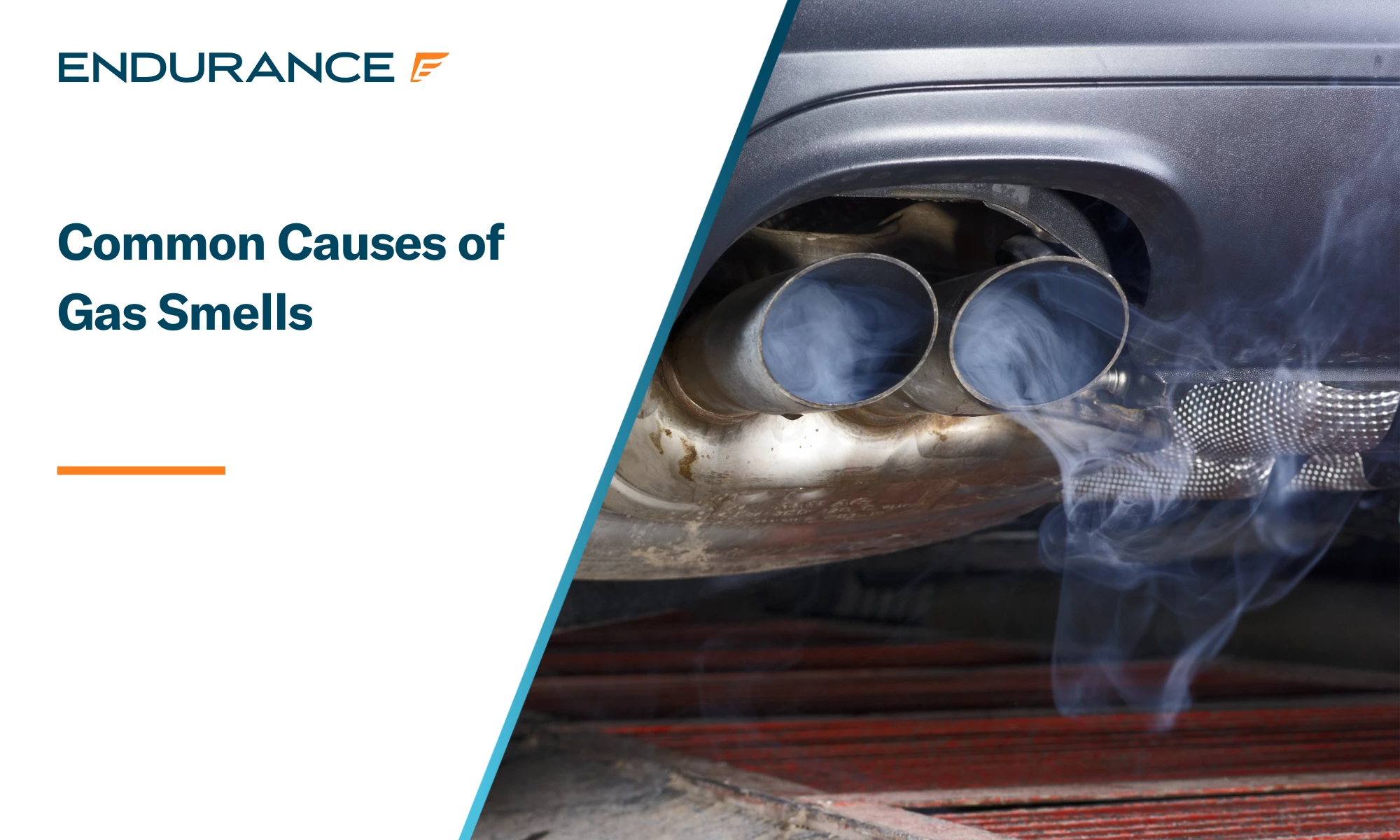
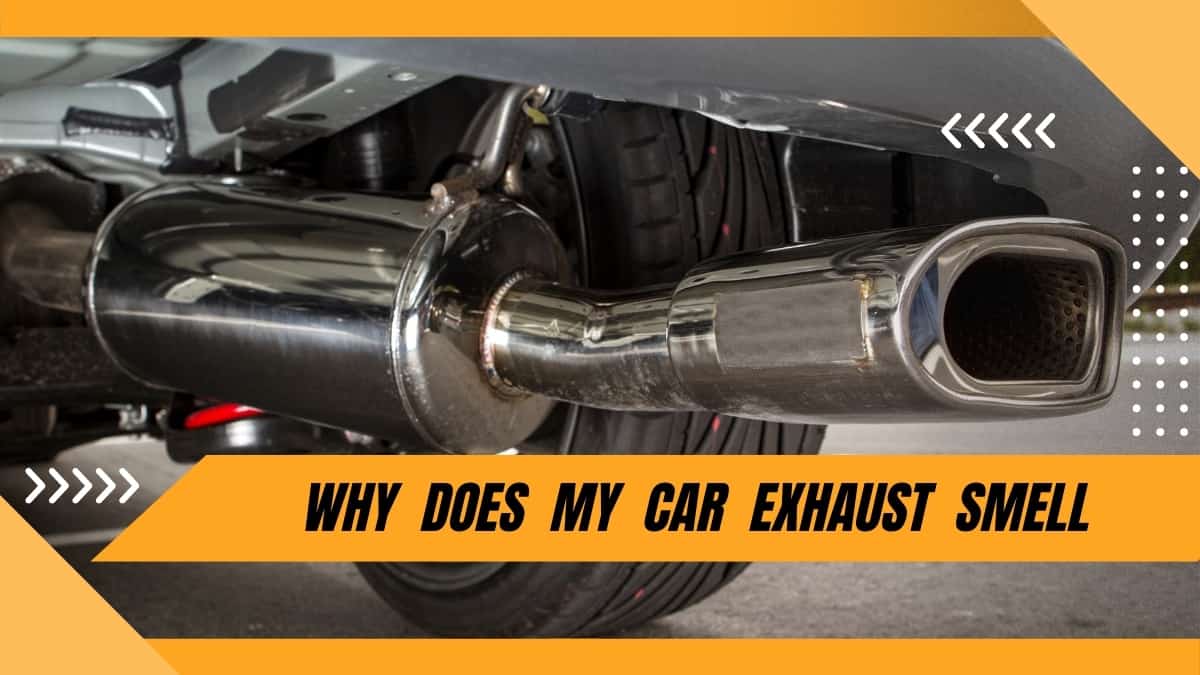
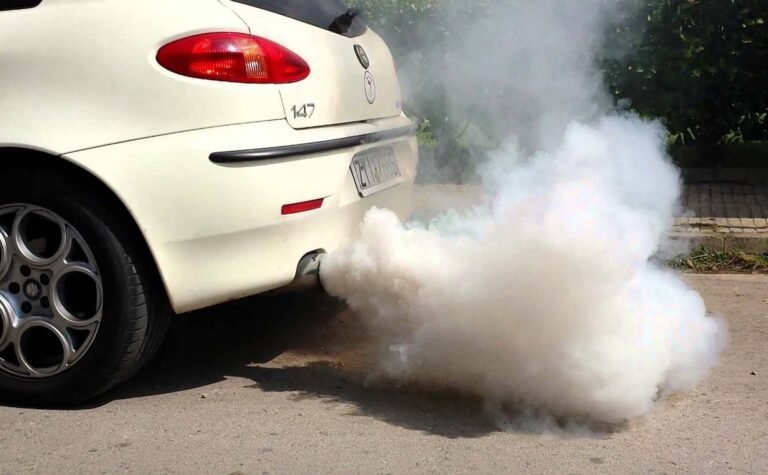
An exhaust smell inside your car can indicate a leaking exhaust manifold, damaged exhaust pipe, faulty gasket, worn body seal, or ventilation problem. Treat it as a safety concern because engine exhaust can contain carbon monoxide, a poisonous gas that you cannot see or smell. Stop driving when safe, get everyone into fresh air, and arrange an immediate inspection.
Across the United States, drivers spend time on busy highways, city streets, parking lots, and long road trips. A strange exhaust odor inside the passenger cabin can turn an ordinary drive into a serious safety concern. The smell may appear at a stoplight, during highway driving, when the heater runs, or shortly after starting the engine. It should never be treated as a normal part of driving.
The first step is to understand that the smell itself does not tell you whether carbon monoxide is present. Carbon monoxide, or CO, has no color or smell. Other compounds in engine exhaust create the odor that people notice. A damaged exhaust system can release these gases beneath the car or near the engine, where air movement can carry them into the passenger cabin. The safest response is to stop, leave the vehicle, and have the source checked by a qualified mechanic.
Source: carxplorer.com
Is an Exhaust Smell Inside Your Car Dangerous?
Yes. Exhaust fumes inside a vehicle can create a serious health risk. Engine exhaust contains several gases and particles, including carbon monoxide. A leak may allow these substances to enter the cabin while you drive or sit with the engine running.
Carbon monoxide is especially dangerous because your senses cannot detect it. You may notice a strong exhaust odor, but that odor does not reveal the amount of CO in the air. You could also be exposed to CO without noticing any unusual smell.
If you notice exhaust inside the cabin, stop in a safe outdoor place. Turn off the engine and move every passenger into fresh air. Do not sit inside the vehicle while waiting for help.
Source: jbtools.com
Headache
A new or unusual headache during a drive can be an early sign of carbon monoxide exposure.
Dizziness and weakness
CO exposure can affect how your brain and body work. You may feel weak, lightheaded, or unusually tired.
Nausea and vomiting
An upset stomach, nausea, or vomiting can occur after breathing carbon monoxide.
Confusion or chest pain
These symptoms can signal a serious exposure. Get outside and seek emergency medical help.
What Should You Do If You Have Symptoms?
Leave the vehicle immediately and move to fresh outdoor air. Call 911 if anyone has a headache, dizziness, nausea, chest pain, confusion, or other possible signs of CO poisoning. Do not drive yourself to a hospital.
Tell emergency responders that you may have breathed vehicle exhaust. Carbon monoxide poisoning needs prompt medical attention. Do not return to the vehicle until the source has been assessed and the vehicle has been made safe.
Protect every passenger
Move children, older adults, and pets away from the vehicle and into fresh air.
Avoid further exposure
Do not restart the engine to test the smell or attempt to reach a repair shop.
What Causes Exhaust Fumes to Enter the Passenger Cabin?
Exhaust should travel through a sealed system and leave the vehicle through the tailpipe. The system starts at the engine’s exhaust manifold and continues through pipes, emission-control parts, the muffler, and the tailpipe.
A crack, loose joint, damaged gasket, or rusted section can let exhaust escape before it reaches the tailpipe. The gases may then collect under the vehicle or around the engine bay. Air pressure and the vehicle’s movement can push or pull those gases through small openings.
The heating and air conditioning system can also bring outside air into the cabin. Its fresh-air intake is often near the base of the windshield. If exhaust collects near that area, the blower can carry the odor into the passenger space.
Other openings can create a path through the firewall, floor, trunk, or rear body panels. Even a small gap can matter when the vehicle moves and air pressure changes around the body.
Source: endurancewarranty.com
Front entry
A leaking exhaust manifold or gasket can release fumes near the engine bay and ventilation intake.
Underbody entry
A damaged pipe can release exhaust beneath the floor. Gaps, rust holes, or missing body plugs may allow it to enter.
Rear entry
Damaged trunk seals, hatch seals, or rear body openings can let exhaust move into the cargo area and cabin.
Ventilation entry
A fresh-air intake can draw outside exhaust into the cabin when the vehicle is moving or sitting in traffic.
Why Does the HVAC System Bring Exhaust Inside?
Your car’s HVAC system controls heating, cooling, and airflow. In fresh-air mode, it draws air from outside the vehicle. This is useful when the outside air is clean, but it can become a problem when exhaust is present near the intake.
A leak near the exhaust manifold can release fumes close to the windshield. The ventilation fan may then pull those fumes into the cabin. A damaged intake housing or poor seal can make the problem worse.
Changing to recirculation mode may reduce the amount of outside air entering the cabin. However, it cannot fix a leak or prove that the air inside is safe. Do not use this setting as a reason to keep driving.
Fresh-air setting
The system draws outside air through the intake. Fumes near the intake may enter the cabin.
Recirculation setting
The system reduces outside-air intake, but it does not remove every source of contamination or make a leaking vehicle safe.
7 Common Causes of Exhaust Smell Inside a Car
Several mechanical and body problems can allow exhaust fumes to enter the cabin. The location of the leak, vehicle design, and airflow all affect where the smell appears. A mechanic should inspect the complete system rather than replace a part based on odor alone.
Source: hitchesguide.com
1. Cracked exhaust manifold
The exhaust manifold collects gases from the engine cylinders. Repeated heating, cooling, and engine vibration can damage it. A crack can release fumes into the engine bay, close to the cabin air intake. You may also hear a ticking or hissing noise near the engine, especially during a cold start.
2. Failed exhaust manifold gasket
The gasket seals the connection between the manifold and cylinder head. Heat and age can weaken this seal. When it fails, exhaust escapes near the engine. The fumes may reach the cabin through the HVAC intake or openings in the firewall.
3. Damaged exhaust pipe or flex joint
Exhaust pipes carry gases beneath the vehicle. Road debris, rust, vibration, and impacts can create cracks or holes. The flexible joint can also split over time. A leak beneath the passenger area can release fumes close to the floor.
4. Loose exhaust connections or damaged gaskets
The exhaust system uses joints, clamps, flanges, and gaskets to keep gases inside the pipes. A loose connection or damaged seal can allow exhaust to escape. You may hear a change in exhaust noise or notice the odor during acceleration.
5. Rusted muffler or catalytic converter connection
Corrosion can create holes in exhaust components and their connecting pipes. A damaged muffler, resonator, or catalytic converter joint may release fumes beneath the vehicle. A louder exhaust sound can appear along with the smell.
6. Damaged floor or firewall seals
The floor and firewall have openings for wiring, cables, and other parts. Rubber grommets and plugs seal these openings. Missing plugs, worn seals, accident damage, or rust can create a path for outside gases to enter the cabin.
7. Worn trunk, door, or tailgate seals
Rubber seals keep outside air and water from entering the vehicle. When they crack or become loose, exhaust can enter around the rear body. This problem can be more noticeable in SUVs, hatchbacks, wagons, and vehicles with rear doors or large cargo openings.
Can a Damaged Tailgate Seal Cause Exhaust Smell?
Yes. A damaged tailgate or rear hatch seal can allow exhaust to enter the rear of an SUV, hatchback, or wagon. Airflow around the back of the moving vehicle can pull outside gases through weak seals and body openings.
An open rear hatch can also change airflow around the vehicle. Exhaust from the tailpipe may be drawn back into the cabin. The CDC specifically warns drivers about this risk when using a vehicle with an open tailgate.
Do not drive with an open tailgate as a way to test the odor or improve ventilation. If you must transport cargo with the hatch open, follow the vehicle manufacturer’s specific instructions. The safest choice is to avoid operating the vehicle until the exhaust concern has been resolved.
Check the rear seals professionally
Ask a mechanic to inspect the hatch gasket, rear body seams, pressure-relief vents, and nearby floor openings.
Look for other damage
A recent collision, body repair, or aftermarket modification may have left an opening that allows exhaust into the vehicle.
What Do Different Exhaust Smell Patterns Tell You?
The time and place where you notice an odor can help a mechanic narrow down the problem. However, a smell pattern cannot confirm which part has failed. Do not keep driving to reproduce the symptoms.
Write down when the odor first appeared and what the vehicle was doing. This information can help the repair shop choose the right inspection points. A brief odor from another vehicle in traffic is different from a smell that repeatedly returns inside your own car.
Source: carxplorer.com
Exhaust smell while idling
A leak near the engine or beneath the vehicle may release fumes that collect around the passenger cabin. Outside exhaust from nearby traffic can also enter through the fresh-air intake.
Exhaust smell during acceleration
Engine load increases exhaust flow. A weak manifold gasket, cracked pipe, or loose connection may release more fumes when you press the accelerator.
Exhaust smell at highway speed
Airflow and pressure changes can pull fumes through damaged floor openings, rear body seals, or hatch gaskets. A leak beneath the vehicle may also become more noticeable.
Exhaust smell when using the heater or AC
The HVAC fresh-air intake may be drawing fumes from the engine bay or nearby traffic. A damaged intake seal can also contribute.
Exhaust smell after starting a cold engine
A small manifold crack or failed gasket may become more noticeable during a cold start. A mechanic should check for leaks rather than assume the odor will disappear once the engine warms up.
Exhaust smell near the rear seats
A damaged tailgate seal, trunk gasket, floor opening, or rear body seam may provide a path for exhaust to enter.
Why Does the Smell Get Stronger at Stoplights?
At a stoplight, your vehicle is no longer moving forward and clearing the air around its body. Exhaust from your own vehicle or nearby traffic may collect around the front air intake or beneath the vehicle.
A damaged exhaust manifold or pipe can make this problem more noticeable. The HVAC system may then pull contaminated outside air into the passenger cabin. If the smell returns at every stop, arrange an immediate inspection.
Do not wait for the light to change
If you notice fumes, move to a safe stopping place, turn off the engine, and leave the vehicle.
What to Do When You Smell Exhaust Inside Your Car
Your first job is to protect everyone inside the vehicle. Do not begin with a repair attempt or a search for the exact leak. Treat the odor as a possible exhaust exposure until a qualified person has checked the car.
If you are moving in traffic, keep control of the vehicle and find a safe place to stop. Once stopped, switch off the engine and get everyone outside. Do not park in a garage or another enclosed space while waiting for help.
Source: carxplorer.com
Step 1: Stop in a safe location
Move away from traffic when possible. Avoid stopping in a tunnel, closed parking garage, or other poorly ventilated area.
Step 2: Turn off the engine
Shut down the vehicle after stopping safely. Do not leave it idling while you investigate the smell.
Step 3: Get everyone into fresh air
Move passengers and pets away from the vehicle. If anyone has possible CO symptoms, call 911 and seek medical attention.
Step 4: Arrange professional assistance
Call roadside assistance or a towing service. Explain that exhaust fumes may be entering the passenger cabin.
Step 5: Have the vehicle inspected
Ask a qualified mechanic to inspect the exhaust system and the body openings that could allow fumes into the cabin. Do not return to normal driving until the fault has been repaired and the vehicle has been checked.
Can You Drive to a Repair Shop With the Windows Open?
Driving with the windows open does not make a vehicle with a suspected exhaust leak safe. It may increase airflow, but it cannot guarantee that carbon monoxide or other exhaust gases will stay out of the cabin.
The safest option is to arrange a tow. Some vehicle owner’s manuals advise fully opening the windows if a vehicle must be moved when unusual exhaust fumes are suspected. This is not a repair or a guarantee of safety.
If the vehicle is in a dangerous position and must be moved to reach a safe stopping place, move only as far as necessary. Keep all windows fully open, then shut off the engine and leave the vehicle. Do not continue the journey to a workshop.
Best option
Have the vehicle transported to a repair shop rather than driving it with a suspected exhaust leak.
Avoid enclosed spaces
Never run the engine inside a garage, even when the garage door is open.
How a Mechanic Diagnoses and Fixes Exhaust Fumes in the Cabin
A proper diagnosis should cover the entire exhaust route and the possible paths into the passenger cabin. Replacing one gasket or pipe without checking the surrounding parts may leave the original problem unresolved.
The mechanic should work in a suitable repair area and use proper equipment. Exhaust components can remain very hot after the engine stops. A vehicle should be raised and supported with approved equipment before anyone inspects the underside.
Source: youtube.com
Inspect the exhaust manifold
The mechanic checks for cracks, loose fasteners, damaged gaskets, soot marks, and signs of exhaust escaping near the engine.
Inspect exhaust pipes and joints
The inspection covers the flex pipe, flanges, clamps, welds, catalytic converter connections, muffler, resonator, and tailpipe.
Check the floor and firewall
The mechanic looks for rust holes, damaged grommets, missing plugs, open seams, and unsealed openings around wiring or other components.
Inspect the rear body
Door seals, trunk gaskets, hatch seals, pressure-relief vents, and rear body damage may need attention.
Check the HVAC intake
The mechanic examines the fresh-air intake, surrounding seals, housing, and recirculation door for damage or poor operation.
Verify the repair
After the repair, the shop should check the exhaust system again and assess whether fumes or carbon monoxide can enter the passenger cabin.
Common Repairs for Exhaust Smell Inside a Car
The correct repair depends on the failed component. A cracked manifold may need replacement, while a leaking gasket may require a new seal and properly installed fasteners. A damaged flex pipe or rusted exhaust section may need replacement.
If the exhaust system is sound but fumes still enter the cabin, the mechanic may need to repair a floor opening, replace a rubber grommet, or restore a damaged body seal. A faulty HVAC intake housing or recirculation door may also need repair.
Do not rely on exhaust tape, general-purpose sealant, air fresheners, or cabin deodorizer as a permanent solution. These products cannot confirm that the exhaust system is sealed or that the cabin is free from harmful gases.
Replace damaged exhaust parts
Cracked manifolds, badly corroded pipes, failed flex joints, and damaged mufflers need suitable repairs or replacement.
Restore cabin sealing
Repair rust damage and replace missing plugs, worn grommets, and damaged weather seals.
Repair the ventilation system
Correct damaged intake seals, housings, or air-control doors when they contribute to fumes entering the cabin.
What Should You Tell the Repair Shop?
Clear details can save diagnostic time. Tell the mechanic whether the odor appeared at idle, during acceleration, on the highway, or only when the HVAC system was running. Mention any recent exhaust repair, collision, underbody impact, or body modification.
Also report any new exhaust noise, check engine light, visible damage, or symptoms that occurred while driving. Do not recreate the problem by running the engine in a closed space or taking another test drive.
Describe the timing
Explain whether the smell started during a cold start, after the engine warmed up, or while driving.
Describe the location
Tell the mechanic whether the odor seemed strongest near the dashboard, front seats, rear seats, or cargo area.
Share recent repair details
Mention work on the exhaust, engine, floor, doors, trunk, or HVAC system.
Exhaust Smell or Another Car Odor: How to Tell the Difference
Not every strange smell inside a vehicle comes from the exhaust system. Fuel, engine oil, coolant, and electrical parts can produce different odors. These smells may point to separate problems, and some also require immediate attention.
Smell descriptions are only clues. They cannot confirm which fluid or gas is present. If the odor is strong, persistent, or linked to a vehicle fault, stop safely and arrange an inspection.
Source: carxplorer.com
Exhaust odor
Exhaust may smell sharp, smoky, or similar to fumes from a running vehicle. It can indicate a leak or outside exhaust entering through the HVAC system or body openings. Carbon monoxide may be present even though it has no smell.
Raw gasoline odor
A strong gasoline smell may indicate a leaking fuel line, injector, tank, or fuel connection. This creates a possible fire hazard. Turn off the engine, leave the vehicle, avoid sparks or flames, and arrange a tow.
Burning oil odor
Hot engine oil may produce a sharp, burnt smell when it contacts hot engine or exhaust parts. A leak can cause smoke and damage if ignored.
Sweet coolant odor
Coolant can produce a sweet smell when it leaks onto hot components or enters the heating system. A cooling-system leak may also cause fogging inside the windows or engine overheating.
Burning plastic or electrical odor
A melting wire, damaged insulation, or overheated electrical part may produce a sharp plastic smell. Smoke, sparks, or electrical faults require immediate attention.
Sulfur or rotten egg odor
A sulfur-like smell may be linked to fuel or emission-system problems, including catalytic converter issues. It needs proper diagnosis rather than an assumption that the converter must be replaced.
Can a Gasoline Leak Be Mistaken for Exhaust?
Yes. A raw fuel odor and exhaust odor can sometimes seem similar, especially inside a small cabin. However, a gasoline smell may point to a fuel-system leak rather than an exhaust leak.
Treat a strong raw-fuel smell as an urgent fire risk. Stop safely, switch off the engine, leave the vehicle, and do not restart it. Keep away from flames and arrange professional assistance.
Do not test for a fuel leak with a flame
Never use a lighter, match, or other ignition source to look for fuel vapors.
How to Prevent Exhaust Fumes From Entering Your Car
Regular maintenance can help catch exhaust damage before it becomes a serious problem. The CDC advises having a mechanic check your car or truck’s exhaust system every year. An inspection is also useful whenever the exhaust sound changes or the underside of the vehicle suffers damage.
Pay attention to rust, loose exhaust parts, damaged body seals, and unusual smells. Vehicles driven on rough roads or in areas that use road salt may need closer attention to corrosion and underbody damage.
A clean cabin and a new air filter can improve normal air quality, but neither replaces exhaust-system repairs. The goal is to keep exhaust inside its proper route and prevent outside fumes from entering the passenger space.
Source: jbtools.com
Schedule regular exhaust inspections
Ask a mechanic to inspect the exhaust manifold, pipes, joints, muffler, and tailpipe during routine service.
Check unusual exhaust sounds
A new ticking, hissing, rattling, or louder exhaust note may indicate damage or a loose connection.
Repair underbody damage
Have rust holes, impact damage, missing body plugs, and damaged floor sections repaired properly.
Maintain door and hatch seals
Replace damaged weather stripping and have rear body openings checked if dust, water, or outside odors enter the cabin.
Keep the HVAC intake area clear
Follow the owner’s manual for cleaning and maintaining the outside air intake near the windshield.
Avoid enclosed idling
Never warm up or idle your vehicle inside an enclosed garage. Carbon monoxide can build up to dangerous levels.
Address exhaust modifications
Use qualified professionals for exhaust changes and make sure the work does not leave leaks or unsealed openings in the vehicle body.
Why Should You Inspect the Exhaust System After an Oil Change?
An oil change often involves raising the vehicle, which gives a technician access to parts of the exhaust system. This is a useful time to notice rust, damaged hangers, loose connections, or a pipe that has suffered an impact.
A routine visual inspection does not replace a full diagnosis when fumes enter the cabin. If you already notice an exhaust odor, ask for a dedicated inspection of the entire system and possible cabin entry points.
Ask for a full inspection
Have the shop check the exhaust from the manifold to the tailpipe, along with the floor and body seals.
Frequently Asked Questions
Q
1. Why does my car smell like exhaust inside but not outside?
Your exhaust system may have a leak near the engine, beneath the floor, or around a pipe connection. Airflow can then pull the fumes into the cabin through the HVAC intake, firewall openings, floor gaps, or damaged body seals. The outside smell may be less noticeable because the gases spread into open air.
Do not assume the problem is minor because you cannot smell it outside. Stop using the vehicle and arrange an inspection.
Q
2. Can carbon monoxide enter my car without an exhaust smell?
Yes. Carbon monoxide has no color and no smell. A person cannot detect it with their senses. Other compounds in exhaust may create an odor, but the absence of that odor does not prove that the cabin air is safe.
A damaged exhaust system can allow CO to enter the vehicle. Have the exhaust system checked if you suspect a leak, even when no unusual odor is present.
Q
3. Can a cabin air filter remove exhaust fumes?
A standard cabin air filter helps trap dust, pollen, and some airborne particles. Certain filters also contain activated carbon to help reduce some odors. However, a cabin filter is not a dependable way to remove carbon monoxide or correct an exhaust leak.
Replacing a dirty filter may improve normal airflow, but it will not repair a damaged manifold, exhaust pipe, floor seal, or ventilation intake. Find and repair the source of the fumes.
Q
4. Why does exhaust smell enter my car when the AC is on?
Your HVAC system may be drawing outside air through the intake near the base of the windshield. If exhaust collects around that area, the fan can carry the fumes into the cabin.
A cracked manifold, damaged exhaust connection, or poor intake seal may cause this problem. Changing the air setting is not a permanent fix. Stop using the vehicle until the cause has been checked.
Q
5. Is it safe to drive with the windows down if I smell exhaust?
No. Open windows cannot guarantee that harmful exhaust gases will stay out of the cabin. The safest option is to stop in a safe place, turn off the engine, leave the vehicle, and arrange a tow.
If you must move the vehicle a short distance to escape an immediate traffic danger, keep the windows fully open and stop as soon as you reach a safe location. Do not continue driving to your destination or repair shop.
Q
6. Why does my SUV smell like exhaust when the rear hatch is open?
An open rear hatch changes the airflow around the vehicle. Exhaust from the tailpipe can be pulled back into the cargo area and passenger cabin. This can happen in SUVs, hatchbacks, and wagons.
Avoid driving with the hatch open. If you need to carry a load that prevents it from closing, follow the vehicle manufacturer’s instructions. Have damaged hatch seals and rear body openings repaired.
Q
7. How much does it cost to fix exhaust fumes entering a car?
The cost depends on the failed part, vehicle design, labor time, and local repair rates. A simple gasket or clamp repair may cost less than replacing a cracked exhaust manifold, damaged catalytic converter connection, or corroded pipe section.
Body repairs can add to the cost if rust holes, damaged floor panels, or rear seals allow fumes into the cabin. Ask for a written diagnosis and estimate before approving repairs. Do not choose a repair based only on the smell.
Q
8. Can an exhaust smell inside a car cause a headache?
Yes. Exhaust exposure can involve carbon monoxide, which can cause headaches, dizziness, weakness, nausea, chest pain, and confusion. These symptoms may resemble the flu, but they can indicate a dangerous exposure.
Leave the vehicle and move into fresh air. Call 911 and seek medical attention if you experience possible carbon monoxide poisoning symptoms. Do not drive yourself for medical care.
✦ Wrapping Up
Conclusion
An exhaust smell inside your car is a warning that deserves immediate attention. A cracked exhaust manifold, damaged pipe, failed gasket, worn body seal, or faulty HVAC intake can allow fumes to enter the passenger cabin. The exact cause depends on the vehicle and the way the gases reach the interior.
Carbon monoxide makes this problem especially serious. It has no color or smell, and a person cannot tell whether it is present by checking the odor. Even when the smell becomes weaker, the vehicle may still have a dangerous fault.
Protect yourself and your passengers first. Stop safely, turn off the engine, get into fresh air, and arrange professional help. A complete inspection and proper repair are the right way to restore safe operation.
💡 Key Takeaway
If you notice exhaust fumes inside your car, do not ignore them or try to cover the odor. Stop driving, leave the vehicle, and arrange a tow to a qualified repair shop. Ask the mechanic to inspect the complete exhaust system, HVAC intake, firewall, floor, and rear body seals before using the car again.
About john Adword
John Adword has tested and reviewed car seat covers and interior accessories for 5 years, evaluating fit, material performance, and long-term wear across a range of vehicles and climates. His testing approach follows the same methodology used across car Reviewer Plus's product reviews — hands-on installation, real-world use, and comparison against manufacturer claims — with an ongoing focus on tracking new seat cover materials and cooling technology as they come to market.