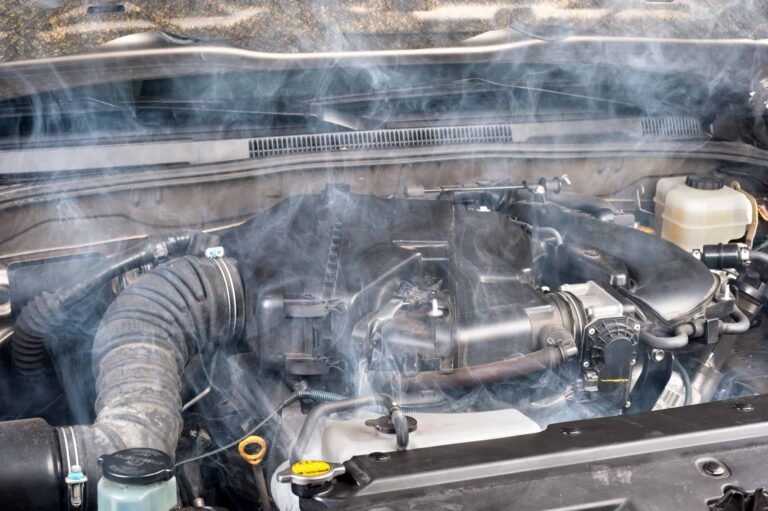
Low engine compression can cause rough idling, engine misfires, weak acceleration, hard starting, increased fuel use, and poor engine performance. A compression test can confirm the problem, while a cylinder leak-down test helps identify the source.
For drivers across the United States, a healthy engine is essential for daily commutes, highway trips, family travel, and work. If your car suddenly loses power, shakes at a stoplight, or struggles to start in the morning, an internal engine problem may be developing. One possible cause is low cylinder compression. This condition can affect older cars, high-mileage trucks, SUVs, and newer vehicles with damaged engine parts.
An engine needs proper compression to burn its air-fuel mixture and produce power. Each cylinder must hold pressure while its piston moves upward during the compression stroke. If air escapes through worn piston rings, damaged valves, or a failed head gasket, that cylinder cannot work as it should. The result may be a misfire, poor fuel economy, or even a complete failure to start.
However, these warning signs do not prove that compression is low. Faulty spark plugs, weak ignition coils, fuel delivery problems, and air leaks can cause similar symptoms. A proper diagnosis starts with basic checks and moves to a compression test when the evidence points toward an internal engine problem.
This guide explains the warning signs, likely causes, testing methods, and repair options. It also explains how to read compression results without relying on one universal PSI number. Always use the service specifications for your exact vehicle, engine, and model year.
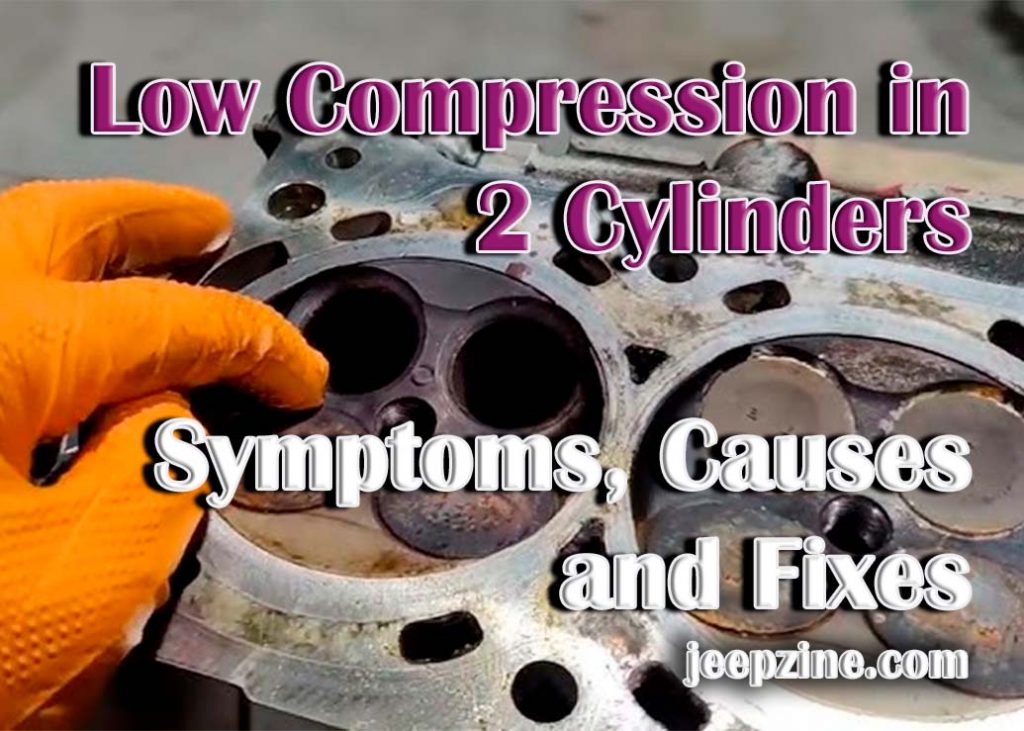
Source: jeepzine.com
What Does Low Engine Compression Mean?
Engine compression is the pressure created inside a cylinder as the piston moves upward. During this process, the intake and exhaust valves should remain closed. The piston rings should also seal against the cylinder wall. These parts work together to keep air inside the combustion chamber.
When the cylinder holds pressure, the engine can burn its air-fuel mixture and produce useful power. When pressure escapes, combustion becomes weak or incomplete. The affected cylinder may contribute less power than the others.
Think of an engine cylinder as a sealed pump. A pump cannot work well if air escapes through a damaged seal. An engine has the same problem when its rings, valves, or head gasket cannot hold pressure.
Normal compression
The cylinder builds pressure in line with the engine manufacturer’s specifications. The valves and piston rings seal well enough for normal combustion.
Low compression
The cylinder produces less pressure than the specified range or has an excessive difference from the other cylinders.
Zero compression
The cylinder cannot build measurable pressure. A major valve, piston, head gasket, or valve timing failure may be responsible.
Compression Pressure Is Not the Same as Compression Ratio
These two terms sound similar, but they describe different things. Compression ratio is the engine’s design ratio between cylinder volume before and after the compression stroke. A ratio such as 10:1 describes that relationship.
Compression pressure is the actual pressure measured with a gauge while the engine is cranking or running. It is usually reported in pounds per square inch, or PSI. Engine design, temperature, cranking speed, valve timing, and testing conditions can affect this reading.
A compression ratio of 10:1 does not mean a compression gauge should show 100 PSI. Do not use the compression ratio to judge the result of a cylinder pressure test.
Common Low Engine Compression Symptoms
The most common warning signs are rough running, misfires, reduced power, and difficult starting. Some engines show only one symptom, while others develop several at the same time. The exact signs depend on how many cylinders have lost compression and how much pressure they have lost.
A single weak cylinder may cause a noticeable vibration. A problem affecting several cylinders can make the engine struggle to run or prevent it from starting. Watch for changes in how the vehicle starts, idles, accelerates, and uses fuel.
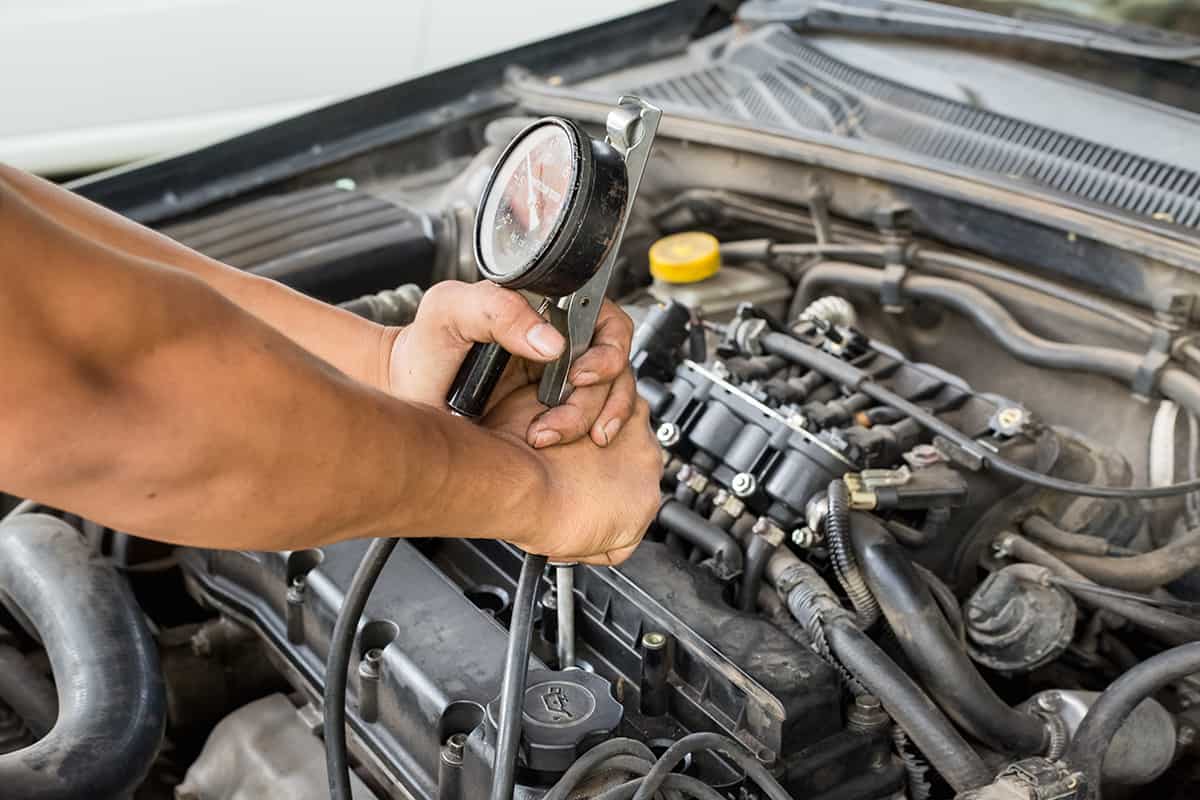
Source: vehiclefreak.com
1. Rough Engine Idle
A weak cylinder cannot produce the same power as the others. This creates an uneven engine rhythm. You may feel shaking through the steering wheel, seats, or dashboard while waiting at a traffic light. The idle may also rise and fall without a clear reason.
2. Engine Misfires
Low pressure can prevent the air-fuel mixture from burning correctly. The engine may stumble, jerk, or hesitate. You may notice the problem more during acceleration or when climbing a hill. A scan tool may show a cylinder-specific misfire code such as P0301 or a random misfire code such as P0300.
3. Loss of Engine Power
A cylinder with poor compression produces less useful power. The vehicle may feel slow when merging onto a highway or passing another car. You may need more throttle than usual to maintain speed, especially when carrying passengers or driving uphill.
4. Hard Starting
An engine needs enough compression to start and maintain combustion. If one cylinder has low pressure, the engine may take longer to start. If several cylinders have severe compression loss, the starter may turn the engine without it starting.
5. Unusual Cranking Speed
An engine with very low compression across several cylinders may turn over faster than normal. It may also sound uneven while cranking. This sign is more useful when several cylinders have lost pressure. A weak battery or starter problem can create other unusual cranking sounds, so further testing is needed.
6. Poor Fuel Economy
A misfiring cylinder does not use fuel efficiently. The engine computer may also adjust fuel delivery in response to the problem. This can increase fuel use in some cases. However, poor mileage alone does not prove that compression is low.
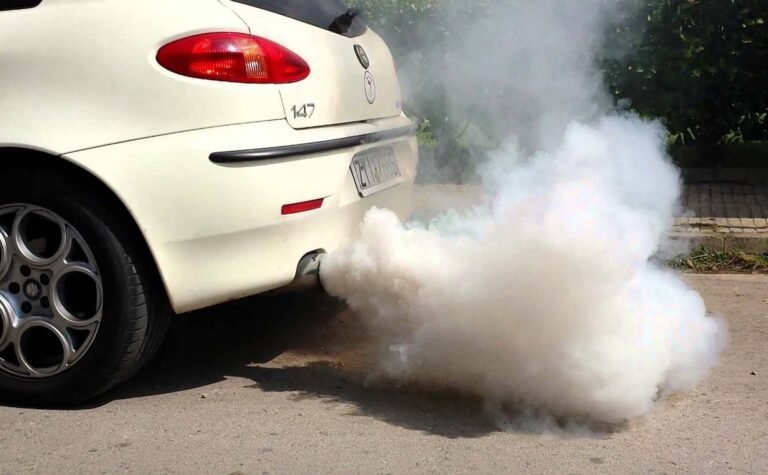
7. Blue or White Exhaust Smoke
Smoke can provide clues about the type of engine damage. Blue smoke may point to oil entering the combustion chamber through worn rings or other damaged parts. Persistent white smoke with coolant loss may suggest a head gasket leak or a cracked component. These signs need separate checks because smoke has several possible causes.
8. Check Engine Light
The engine computer can detect many combustion problems through crankshaft speed changes and other sensor data. A misfire caused by low compression may turn on the check engine light. However, the light does not identify compression loss by itself. Read the stored trouble codes and perform the correct tests.
Symptoms in Gasoline and Diesel Engines
Gasoline engines need enough cylinder pressure, fuel, and a working spark to run properly. Low compression can cause rough idle, misfires, slow acceleration, and difficult starting.
Diesel engines depend on high compression to heat the air inside each cylinder. This heat helps ignite the injected diesel fuel. Low compression can cause hard cold starts, uneven running, reduced power, and white or gray smoke during startup.
Diesel engines use different test equipment and procedures. A regular gasoline compression gauge is not suitable for every diesel engine. Use the correct diesel-rated gauge and the manufacturer’s test instructions.
What Causes Low Engine Compression?
Low compression develops when a cylinder cannot seal or fill correctly. The main causes involve piston rings, cylinder walls, valves, the cylinder head gasket, and valve timing. Some problems develop slowly with normal wear, while others appear after overheating or a sudden mechanical failure.
The location of the pressure loss matters. A compression test can show which cylinders are weak, but a leak-down test often provides better clues about the damaged part.
Source: upgradedvehicle.com
Worn or Damaged Piston Rings
Piston rings help seal the space between the piston and cylinder wall. Worn, broken, or stuck rings allow compressed air to escape into the crankcase. This can cause low compression, increased oil consumption, blue exhaust smoke, and excessive crankcase blow-by.
Damaged Cylinder Walls
Scratches, scoring, and excessive cylinder wear can prevent the piston rings from sealing correctly. Poor lubrication, dirt entering through the intake, and overheating can contribute to this damage. Severe wear may require engine machining or replacement.
Burned or Bent Valves
Intake and exhaust valves must close tightly during the compression stroke. A burned, bent, or damaged valve can leave a gap where pressure escapes. A leaking exhaust valve may cause a persistent misfire and a low compression reading in one cylinder.
Faulty Valve Seats
Valve seats provide the sealing surface for the valves. If a seat becomes damaged, worn, or displaced, the valve may not close properly. Compression can then escape through the intake or exhaust port.
Blown Head Gasket
The head gasket seals the joint between the cylinder head and engine block. A failure between two cylinders can allow pressure to move from one cylinder into the other. A leak into a coolant passage can also cause coolant loss, overheating, or white exhaust smoke.
Incorrect Valve Timing
The timing belt or timing chain keeps the crankshaft and camshaft in the correct relationship. If the timing shifts, the valves may open or close at the wrong time. This can reduce compression across several cylinders. A broken timing belt can also cause piston-to-valve contact in an interference engine.
Broken Valve Springs
A damaged or weak valve spring may prevent a valve from closing or operating correctly. This can cause compression loss, misfires, and poor performance. The problem may become more noticeable as engine speed increases.
Worn Camshaft or Valve Train Parts
A worn camshaft lobe, damaged rocker arm, bent pushrod, or faulty lifter can change valve movement. The cylinder may not fill or seal as designed. These faults sometimes need additional valve train inspection because a compression reading alone may not reveal the exact problem.
Cracked Cylinder Head or Engine Block
A crack in the cylinder head or block can create a path for pressure to escape. It may also allow coolant to enter the combustion chamber or oil passages. This type of damage can require major engine repair or replacement.
Why Engine Overheating Can Cause Compression Loss
Severe overheating can distort metal engine parts. An aluminum cylinder head may warp and lose its ability to seal against the head gasket. Extreme heat can also damage valves, pistons, and piston rings.
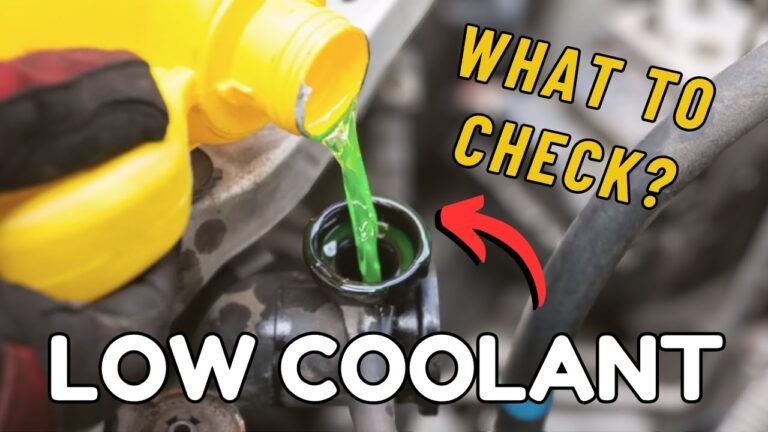
If compression problems begin after an overheating event, check the cooling system before replacing engine parts. A cooling system pressure test and a combustion gas test can help identify a head gasket or cylinder head problem.
Never remove a radiator cap or coolant reservoir cap while the system is hot and pressurized. Hot coolant can spray out and cause serious burns.
How to Test Engine Compression
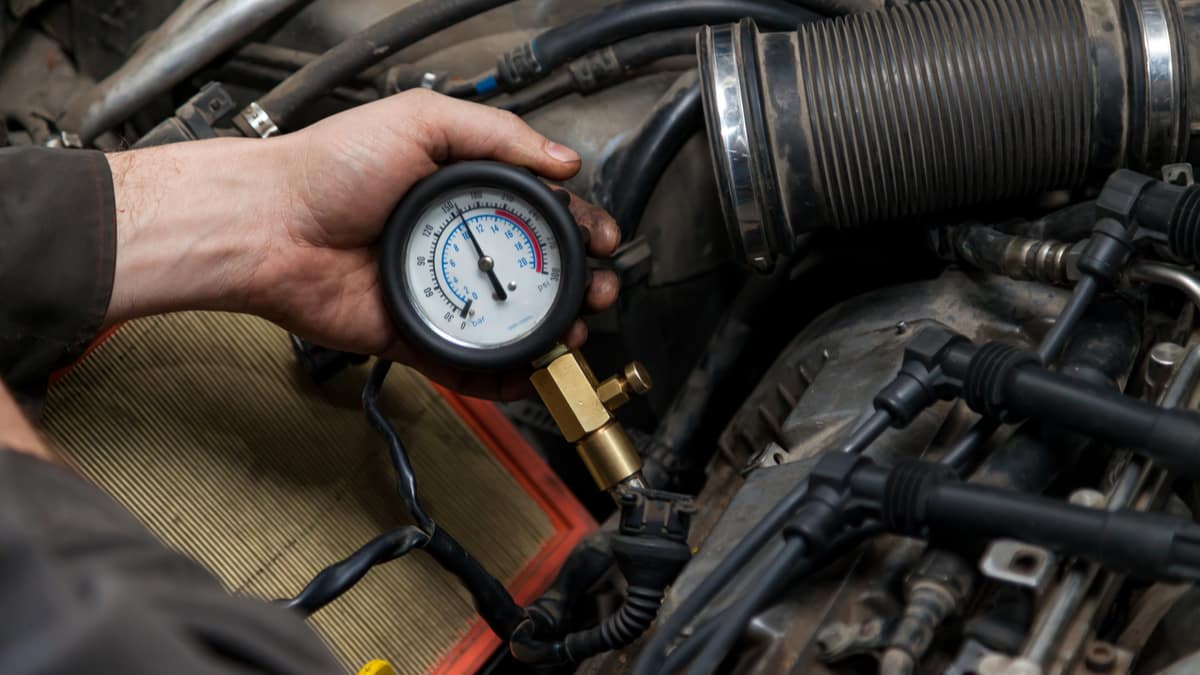
A compression test is the first direct way to measure the pressure produced by each cylinder. It uses a compression gauge that connects to the spark plug opening on most gasoline engines. The engine is cranked, and the gauge records the pressure produced during the test.
Before starting, find the service procedure for your exact vehicle. Some engines need special tools, electronic controls, or specific preparation steps. Testing a modern engine by guessing which fuse or connector to remove can create extra problems.
Source: mechanicbase.com
Tools and Equipment
You need a suitable compression tester, the correct spark plug socket, basic hand tools, safety glasses, gloves, and the vehicle’s service information. A scan tool is also useful for checking stored trouble codes.
Battery Condition
The battery must have enough power to crank the engine at the required speed. A weak battery can produce readings that are lower than the engine’s actual condition.
Engine Temperature
Many service procedures specify a warm engine, but the correct condition depends on the vehicle. Follow the manufacturer’s instructions rather than assuming that every engine must be tested at the same temperature.
Step-by-Step Compression Testing
Step 1: Park the vehicle on level ground, apply the parking brake, and switch off the engine. Allow the engine to reach the temperature required by the service procedure. Keep clear of hot exhaust parts and moving components.
Step 2: Check the battery and engine oil. Make sure the battery can maintain the required cranking speed. Look for obvious coolant loss, oil contamination, or other signs of major engine damage.
Step 3: Disable the ignition and fuel systems using the correct manufacturer procedure. This prevents the engine from starting and reduces the risk of fuel or spark-related hazards during testing.
Step 4: Remove the spark plugs as directed. Label the plugs or record their cylinder positions. Check for unusual oil deposits, heavy carbon, or signs of coolant contamination.
Step 5: Install the correct compression gauge adapter into the first cylinder’s spark plug opening. Make sure the connection seals properly. A leaking adapter can create a false low reading.
Step 6: Set the throttle position as required by the service procedure. Some engines need a fully open throttle during testing. Do not force an electronic throttle plate by hand unless the service instructions specifically allow it.
Step 7: Crank the engine for the specified number of compression strokes. Watch the gauge and record the highest stable reading. Use the same testing method for every cylinder.
Step 8: Release the gauge pressure and repeat the test on each remaining cylinder. Write down every result next to its correct cylinder number.
Step 9: Compare the results with the manufacturer’s minimum pressure and maximum allowed difference between cylinders. Repeat any unusual reading to confirm that it is consistent.
Important Safety Rule
Keep hands, hair, clothing, and tools away from belts, pulleys, and fans. Electric cooling fans can start unexpectedly on some vehicles. If you cannot safely disable the fuel and ignition systems, have a qualified mechanic perform the test.
Diesel Engine Warning
Diesel engines need a diesel-rated compression gauge and the correct adapter. The test may use a glow plug or injector opening, depending on the engine. Do not apply gasoline engine testing instructions to a diesel engine.
Performing a Wet Compression Test
A wet compression test is a follow-up test for a cylinder that produces a low dry reading. It uses a small, measured amount of clean engine oil inside the cylinder. The oil can temporarily improve the seal between the piston rings and cylinder wall.
After adding the specified amount of oil, the technician repeats the compression test. If the reading rises noticeably, worn or damaged piston rings or cylinder walls become more likely. If the reading changes very little, a valve sealing problem or head gasket leak may be more likely.
This test is a diagnostic clue, not final proof. Too much oil can cause serious problems, including hydraulic lock. Some engines also have specific restrictions on wet testing. Follow the service manual and use the correct amount of oil.
How to Read Compression Test Results
The most useful result is not always the highest PSI number. You need to compare each cylinder with the manufacturer’s specifications and with the other cylinders. Two engines with different designs can have very different normal compression readings.
For example, published service procedures for different vehicles use different minimum pressures and different cylinder variation limits. Some specifications focus on an absolute minimum, while others also set a maximum difference between the highest and lowest cylinders. This is why a general internet rule should never replace the correct service manual.
The pattern of low readings can still help narrow down the cause. It provides a starting point for further testing, but it does not prove which part has failed.
One Cylinder Has Low Compression
A single weak cylinder may point to a burned valve, damaged piston, worn rings, or a local cylinder head problem. A wet test and leak-down test can help separate these possibilities.
Two Adjacent Cylinders Have Low Compression
A head gasket leak between neighboring cylinders is one possible cause. Check for coolant loss, overheating, and other gasket failure signs. A leak-down test can help confirm whether air is passing between the cylinders.
All Cylinders Have Low Compression
Possible causes include worn rings across the engine, incorrect valve timing, slow cranking speed, a closed throttle when the procedure requires it to be open, or an inaccurate gauge. Check the test conditions before assuming that the engine needs rebuilding.
Compression Builds Slowly
If the gauge starts low and rises over several compression strokes, the rings may not be sealing well. However, gauge condition, cranking speed, and engine design can also affect the pattern.
Compression Does Not Build Normally
A valve that does not seal, a serious head gasket leak, or major internal damage may be responsible. Further testing is needed to identify the source.
A Simple Hypothetical Compression Example
Imagine a four-cylinder gasoline engine with these dry compression readings: cylinder 1 has 180 PSI, cylinder 2 has 178 PSI, cylinder 3 has 179 PSI, and cylinder 4 has 135 PSI.
The fourth cylinder is clearly lower than the other three. The difference between the highest and lowest readings is 45 PSI. That is 25 percent of the highest reading: (180 – 135) / 180 x 100 = 25 percent.
This example shows why cylinder comparison matters. It does not establish a universal failure limit. The engine’s service specifications determine whether that difference is acceptable.
Using a Cylinder Leak-Down Test
A leak-down test sends regulated compressed air into a cylinder while its piston is held at top dead center on the compression stroke. The test measures how much air escapes from the cylinder. It can provide more information about the location of a leak than a basic compression test.
The technician listens for escaping air at several points. Air from the intake side may indicate an intake valve leak. Air from the exhaust pipe may point to an exhaust valve leak. Air from the crankcase or oil filler area may suggest worn rings or cylinder damage.
Bubbles in the cooling system may indicate a head gasket leak or a crack in the cylinder head or block. A leak-down test requires the correct equipment and careful positioning because compressed air can rotate the engine unexpectedly if the crankshaft is not secured.
Leakage percentages must be judged against the test equipment and engine specifications. Do not treat one percentage as a universal pass or fail limit for every engine.
How to Fix Low Engine Compression
The correct repair depends on where the pressure escapes. There is no single replacement part that fixes every compression problem. A proper diagnosis should come before any major repair.
Some repairs involve the cylinder head, while others require a complete engine teardown. A mechanic should explain the failed part, the test results, and the expected repair before you approve the work.
Repairing Worn Piston Rings
Worn or broken piston rings may require engine disassembly. The technician inspects the pistons and cylinder walls, measures cylinder wear, and decides whether new rings, machining, or replacement parts are needed.
Repairing Damaged Valves
A leaking or burned valve may require cylinder head removal. The repair can include replacing the valve, inspecting the seat, checking the valve guide, and restoring the correct sealing surface.
Replacing a Failed Head Gasket
A head gasket repair usually requires removing the cylinder head. The head and engine block surfaces must be inspected for damage and warping. The technician should also identify the original cause of the gasket failure, especially if the engine overheated.
Repairing Valve Timing Problems
A slipped or damaged timing belt or chain may need replacement along with related components. On an interference engine, the technician should inspect for bent valves and piston damage before returning the engine to service.
Repairing a Damaged Cylinder Head or Block
A cracked or badly warped component may need specialist machining or replacement. If the damage is extensive, an engine replacement may be more practical than a major rebuild.
Repairing Valve Train Problems
A damaged lifter, rocker arm, pushrod, spring, or camshaft may need replacement. The technician should inspect related parts to make sure the original failure has not damaged other components.
Should You Rebuild or Replace the Engine?
The decision depends on the extent of damage, vehicle age, mileage, body condition, parts availability, and repair cost. A rebuild may make sense when the engine block and other major parts remain usable. An engine replacement may be more practical when several major components are damaged.
Ask for a written estimate that separates parts, labor, machining, fluids, and related repairs. Compare the total with the vehicle’s current condition and expected remaining service life.
Do not approve a major repair based only on a low compression reading. Ask for the compression results and, when appropriate, leak-down findings. This helps confirm that the proposed repair addresses the actual cause.
Can an Oil Additive Fix Low Compression?
An oil additive cannot repair a burned valve, broken piston ring, failed head gasket, or cracked engine block. Some products claim to improve sealing, but they cannot restore damaged metal parts or correct valve timing.
A temporary change in engine behavior does not prove that the mechanical problem has been fixed. Use the correct engine oil and follow the maintenance schedule, but do not rely on additives as a substitute for proper diagnosis and repair.
Is It Safe to Drive With Low Compression?
Driving with confirmed low compression is not recommended without understanding the cause and severity. A small pressure difference may produce a mild symptom, while severe compression loss can lead to major engine damage or a breakdown.
A vehicle with a strong misfire may send unburned fuel into the exhaust system. This can overheat and damage the catalytic converter. A serious internal fault can also worsen if the engine continues to run.
If the check engine light flashes, the engine shakes badly, or power drops sharply, reduce speed and load. Pull over somewhere safe, switch off the engine, and arrange professional diagnosis or towing.
Stop Driving if the Engine Overheats
An overheating engine can suffer further cylinder head, gasket, and piston damage. Stop safely and allow the engine to cool. Never open a hot cooling system.
Stop if the Oil Pressure Warning Appears
Low oil pressure can damage engine bearings and other moving parts quickly. Switch off the engine as soon as it is safe to do so. Do not keep driving in an attempt to reach a repair shop.
Arrange a Tow for Severe Mechanical Symptoms
Heavy knocking, severe misfires, thick smoke, sudden power loss, or a suspected broken timing belt are reasons to avoid further driving. A tow can prevent a small problem from becoming a much larger repair.
Can an Engine Still Run With One Weak Cylinder?
Yes. An engine may continue to run when one cylinder has low compression because the remaining cylinders still produce power. However, the engine may shake, accelerate slowly, and use more fuel.
The vehicle may also place extra stress on its exhaust system and other components. A running engine does not mean the damage is harmless. Have the cylinder tested and identify the cause before deciding whether continued use is safe.
Common Mistakes When Diagnosing Compression Problems
A compression test is useful, but poor testing methods can create misleading results. It is easy to mistake a weak battery, an incorrect throttle position, or a leaking gauge connection for an internal engine problem.
Avoid replacing expensive parts until the readings have been confirmed. A careful testing process saves time and reduces the risk of paying for repairs that do not solve the problem.
Assuming Every Misfire Means Low Compression
A misfire can come from a spark plug, ignition coil, injector, wiring problem, air leak, or mechanical fault. Check the trouble codes and perform the appropriate tests before blaming the engine’s internal parts.
Using a Universal PSI Number
Different engines have different compression specifications. Compare the readings with the correct factory service information, not a number copied from an unrelated vehicle.
Ignoring Battery Condition
Slow cranking can reduce compression readings. Charge and test the battery before repeating the procedure.
Testing With the Wrong Throttle Position
Some engines need the throttle open during cranking tests. Incorrect throttle position can affect cylinder filling and produce misleading results. Follow the correct procedure for the vehicle.
Adding Too Much Oil During a Wet Test
Excess oil can create serious problems inside a cylinder. Use only the specified amount and perform the test only when the engine procedure allows it.
Skipping the Leak-Down Test
A compression gauge shows that pressure is low, but it may not reveal exactly where the pressure escapes. A leak-down test can help identify the likely location before the engine is taken apart.
Replacing Parts Before Confirming the Cause
Installing new spark plugs, coils, or sensors will not repair a burned valve or worn piston rings. Confirm the mechanical condition before ordering major parts.
When Should You Visit a Professional Mechanic?
Seek professional help when the engine has repeated misfires, very low compression, coolant entering a cylinder, or suspected timing damage. These problems can require specialized tools and engine disassembly.
A qualified technician can perform compression, leak-down, cooling system, and valve timing checks. They can also inspect the engine computer data and determine whether an ignition or fuel problem is creating similar symptoms.
If you are unsure how to disable the ignition and fuel systems, do not attempt a compression test by guessing. Modern vehicles can have complex electrical and fuel systems. The correct service information is essential.
Frequently Asked Questions
Q
What Are the First Signs of Low Engine Compression?
The first signs often include rough idling, engine misfires, weak acceleration, and hard starting. You may also notice unusual engine vibration or a check engine light. These symptoms can have other causes, so a compression test is needed to confirm the problem.
Q
How Much Compression Should a Car Engine Have?
The correct pressure depends on the engine design, manufacturer, and testing conditions. Some gasoline engines produce readings around 140 to 160 PSI, while other engines have different factory targets. The minimum pressure and maximum difference between cylinders in your vehicle’s service manual are the figures to follow.
Q
Can Low Engine Compression Cause a Car Not to Start?
Yes. Severe compression loss across several cylinders can prevent an engine from starting. A broken timing belt or major valve timing failure can also cause a no-start condition. If the starter turns the engine unusually fast or unevenly, check the battery, starter, and engine compression before replacing other parts.
Q
Can Bad Spark Plugs Cause Low Compression?
Bad spark plugs can cause misfires, rough running, and hard starting, but they do not normally cause mechanical compression loss inside a cylinder. A compression test measures how well the cylinder seals, including the piston rings, valves, and head gasket. A faulty spark plug affects ignition rather than the cylinder’s ability to hold pressure.
Q
Does a Wet Compression Test Prove That Piston Rings Are Bad?
No. A noticeable increase in pressure after adding a small amount of oil suggests that worn or damaged rings or cylinder walls may be responsible. However, it does not prove the exact failure. A leak-down test and further inspection may be needed to confirm the cause.
Q
Can a Broken Timing Belt Cause Low Compression?
Yes. A broken timing belt can stop the camshaft from controlling the valves. In some engines, this prevents normal cylinder sealing and can cause very low compression. In an interference engine, the pistons may also strike open valves and bend them. Do not keep cranking an engine when a broken timing belt is suspected.
Q
Can I Drive With One Cylinder Having Low Compression?
The engine may still run, but it can shake, lose power, and produce a misfire. Continued driving may damage the catalytic converter or make internal engine damage worse. The safest choice is to identify the cause and follow a mechanic’s advice before driving further.
✦ Wrapping Up
Conclusion
Low engine compression can affect starting, idle quality, acceleration, fuel use, and overall engine performance. The most common causes include worn piston rings, damaged cylinder walls, leaking valves, failed head gaskets, and incorrect valve timing. Some faults develop slowly, while others appear after overheating or sudden mechanical failure.
The best way to confirm a compression problem is to test every cylinder and compare the results with the manufacturer’s specifications. A wet compression test may help separate ring problems from valve or gasket problems. A cylinder leak-down test can provide further clues about where the pressure is escaping.
Do not replace engine parts based on symptoms alone. Check the ignition and fuel systems, confirm the compression readings, and identify the actual source of the pressure loss. If the engine has severe misfires, overheating, oil pressure warnings, or suspected timing damage, stop driving and seek professional help.
Early diagnosis can prevent unnecessary repairs and help you make a better decision about rebuilding or replacing the engine. A clear test result is more useful than guessing from the sound or feel of the vehicle.
💡 Key Takeaway
If you notice rough idling, repeated misfires, hard starting, or reduced engine power, scan for trouble codes and arrange a cylinder compression test. Record every cylinder reading, compare it with the correct factory specifications, and use a leak-down test to locate any confirmed pressure loss before approving major repairs.
About john Adword
John Adword has tested and reviewed car seat covers and interior accessories for 5 years, evaluating fit, material performance, and long-term wear across a range of vehicles and climates. His testing approach follows the same methodology used across car Reviewer Plus's product reviews — hands-on installation, real-world use, and comparison against manufacturer claims — with an ongoing focus on tracking new seat cover materials and cooling technology as they come to market.