Understanding what causes tire sidewall damage helps drivers avoid sudden tire failures and expensive repairs. The sidewall is the flexible outer area of a tire that supports the vehicle load and absorbs road movement. Unlike the tread area, the sidewall cannot usually be repaired safely after serious damage.
In my experience reviewing tire problems, many drivers notice sidewall issues only after a visible crack, bubble, or cut appears. Small signs can become major problems when a vehicle travels at highway speeds, especially during hot U.S. summers or long road trips.

What Is Tire Sidewall Damage?
Tire sidewall damage refers to any harm that affects the outer vertical section of a tire. This area contains important rubber layers that protect the internal cords and help the tire maintain its shape.
Unlike tread damage, sidewall damage is often more dangerous because the sidewall flexes while driving. A damaged sidewall can weaken the tire structure and increase the chance of a sudden failure.
- ✦ Cuts and Gashes
Sharp objects, road debris, or contact with curbs can cut into the sidewall rubber.
- ✦ Cracks
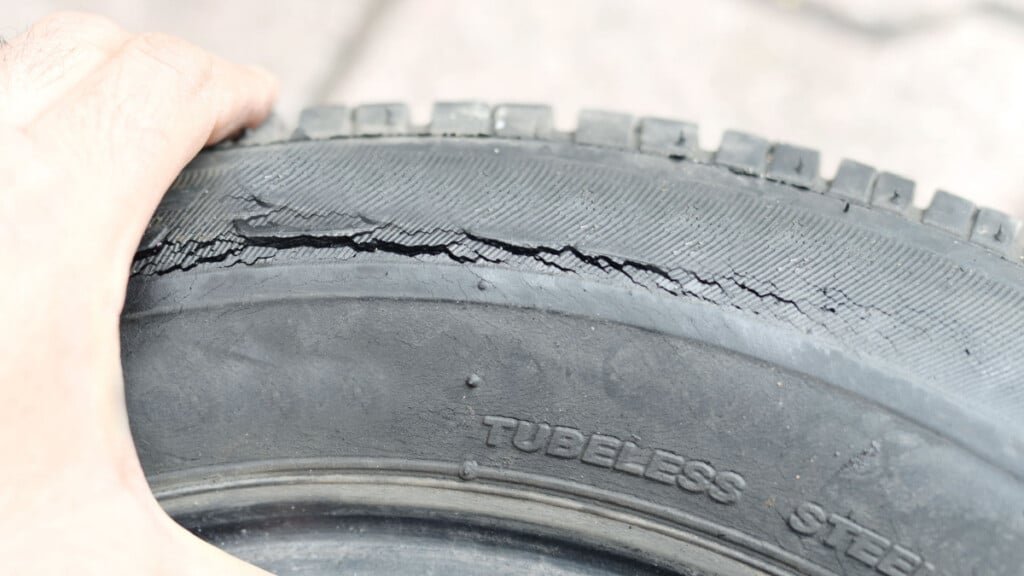
Small cracks may develop from tire aging, sunlight exposure, and dry conditions.
- ✦ Bulges
A bubble or bulge often means internal tire cords are damaged and the tire may not be safe.
Why Sidewall Damage Needs Attention
The sidewall carries stress every time the tire turns, brakes, or absorbs bumps. Damage in this area can affect handling and stability.
Drivers should inspect sidewalls often because problems can grow quickly without obvious warning.
Common Causes of Tire Sidewall Damage
There are several reasons behind tire sidewall damage. Most problems come from everyday driving conditions, poor tire maintenance, or environmental exposure.
Knowing what causes tire sidewall damage allows drivers to take simple steps before a small issue becomes a safety concern.

- ✦ Hitting Potholes and Road Hazards
Strong impacts from potholes, debris, and uneven roads can pinch the tire and damage internal sidewall materials.
- ✦ Driving Against Curbs
Repeated curb contact can scrape away rubber and weaken the sidewall structure.
- ✦ Incorrect Tire Pressure
Underinflated tires flex too much, creating extra heat and stress on the sidewalls.
- ✦ Old or Worn Tires
Rubber loses flexibility over time, making older tires more likely to crack or fail.
How Low Tire Pressure Causes Sidewall Damage
Low tire pressure is one of the most common answers to what causes tire sidewall damage. When a tire does not have enough air, the sidewall bends more than designed.
This repeated flexing creates heat buildup and weakens the rubber and internal components. Over time, the tire may develop cracks, separations, or a damaged sidewall.

- ✦ Extra Sidewall Flex
A soft tire bends more during driving, increasing stress on the sidewall.
- ✦ Heat Damage
Excess heat can break down tire materials and reduce strength.
How Often Should You Check Tire Pressure?
Most drivers should check tire pressure at least once a month and before long trips. Temperature changes can also affect tire pressure, especially during seasonal changes.
How Weather and Tire Age Lead to Sidewall Cracks
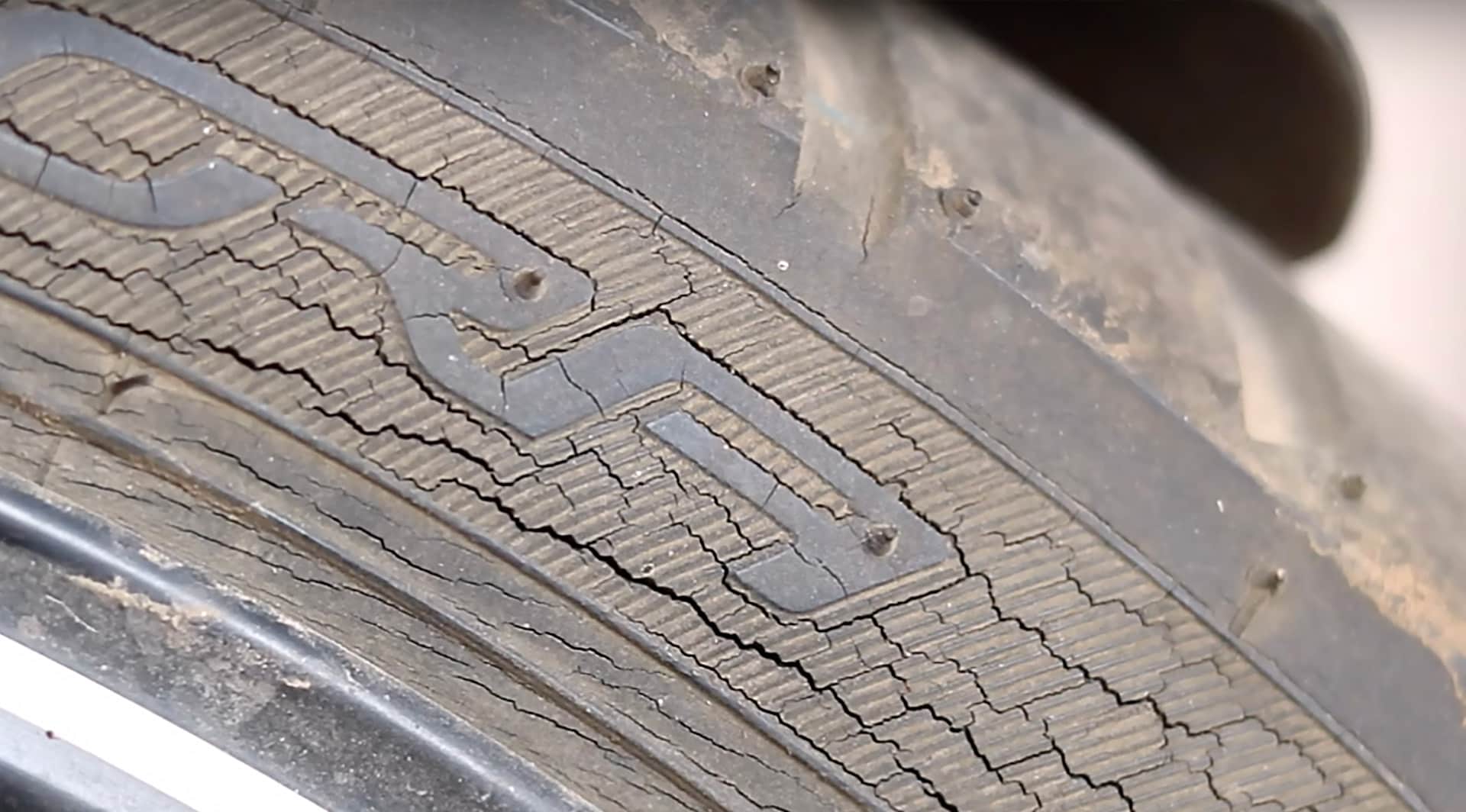
Weather exposure is another major factor when understanding what causes tire sidewall damage. Sunlight, heat, cold temperatures, and ozone can slowly weaken tire rubber.
Older tires are more likely to show dry rot, which appears as small cracks along the sidewall. These cracks may start as cosmetic issues but can become structural problems.
- ✦ UV Exposure
Long periods in direct sunlight can dry out rubber and speed up cracking.
- ✦ Extreme Temperatures
Very hot or cold conditions can increase stress on tire materials.
- ✦ Chemical Exposure
Certain chemicals and cleaning products may damage tire rubber.
Signs That Your Tire Has Sidewall Damage
Finding sidewall problems early can prevent dangerous situations. Drivers should inspect all tires regularly, especially before highway trips.
Visible changes do not always mean immediate failure, but they should be checked by a tire professional.
- ✦ Visible Bulges
A bubble on the sidewall often indicates internal damage that cannot be repaired.
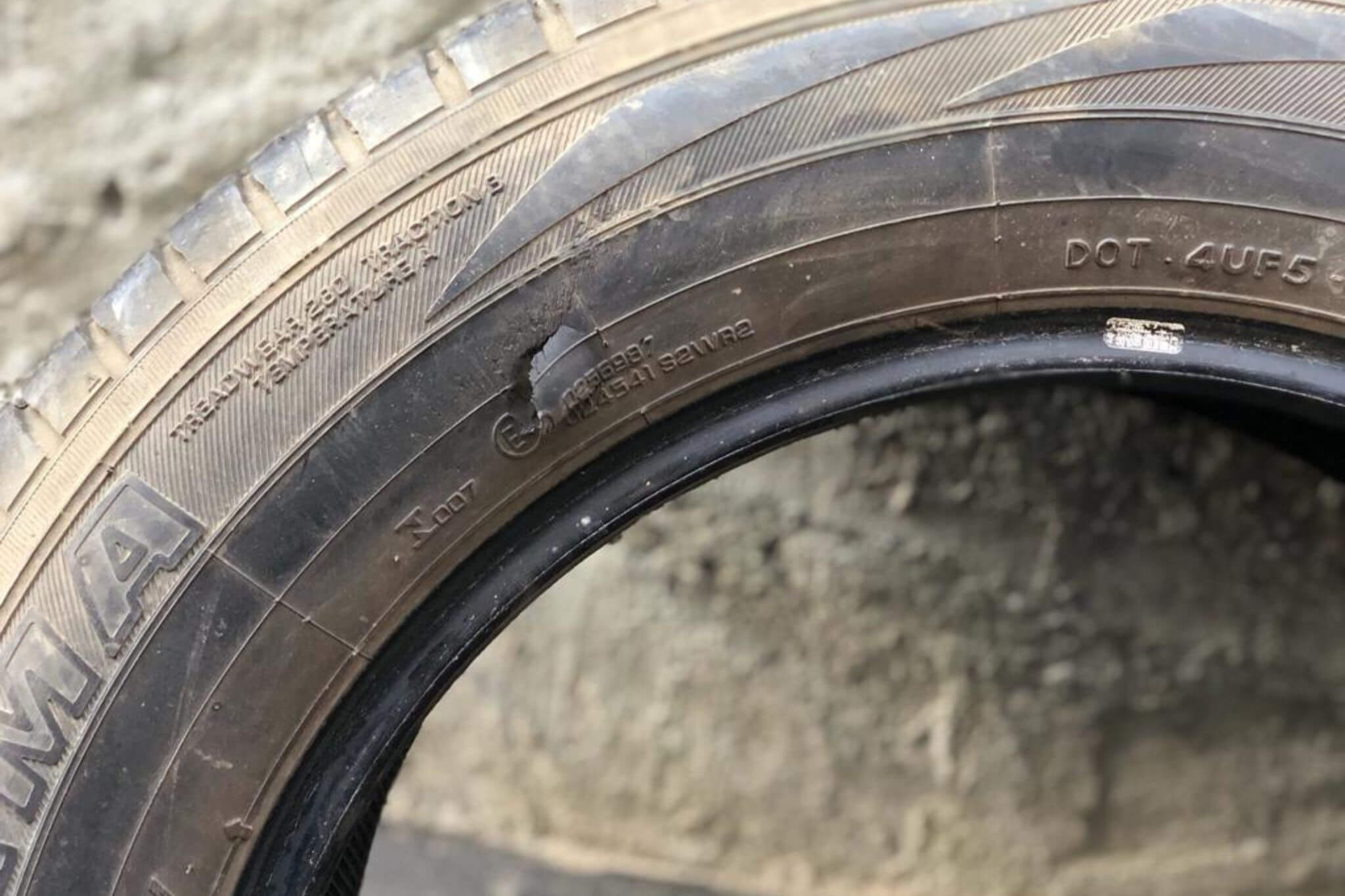
- ✦ Deep Cuts
Large cuts may expose internal layers and reduce tire strength.
- ✦ Cracking Patterns
Multiple cracks may indicate aging rubber or environmental damage.
- ✦ Air Loss
Slow leaks can happen when sidewall damage affects tire structure.
Can Tire Sidewall Damage Be Repaired?
Many drivers ask if sidewall damage can be fixed. In most cases, professional tire organizations do not recommend repairing serious sidewall damage because the area experiences constant movement and pressure.
A tire with a small surface mark may only need inspection, but cuts, bulges, and exposed cords usually require replacement.

- ✦ Repair Limitations
Sidewall repairs are usually unsafe because they may not restore the tire’s original strength.
- ✦ Professional Inspection
A tire specialist can determine whether replacement is necessary.
How to Prevent Tire Sidewall Damage
Preventing tire sidewall damage is easier and cheaper than replacing a damaged tire. Good maintenance habits help extend tire life and improve driving safety.
Drivers in the U.S. can reduce risks by checking tires before road trips, avoiding road hazards when possible, and following manufacturer recommendations.
- ✦ Maintain Correct Tire Pressure
Keep tires inflated according to the vehicle manufacturer’s recommended pressure.
- ✦ Inspect Tires Regularly
Look for cracks, cuts, bulges, and unusual changes during routine checks.
- ✦ Avoid Road Hazards
Slow down near potholes and avoid hitting curbs whenever possible.
- ✦ Replace Aging Tires
Older tires should be evaluated even if the tread still appears usable.